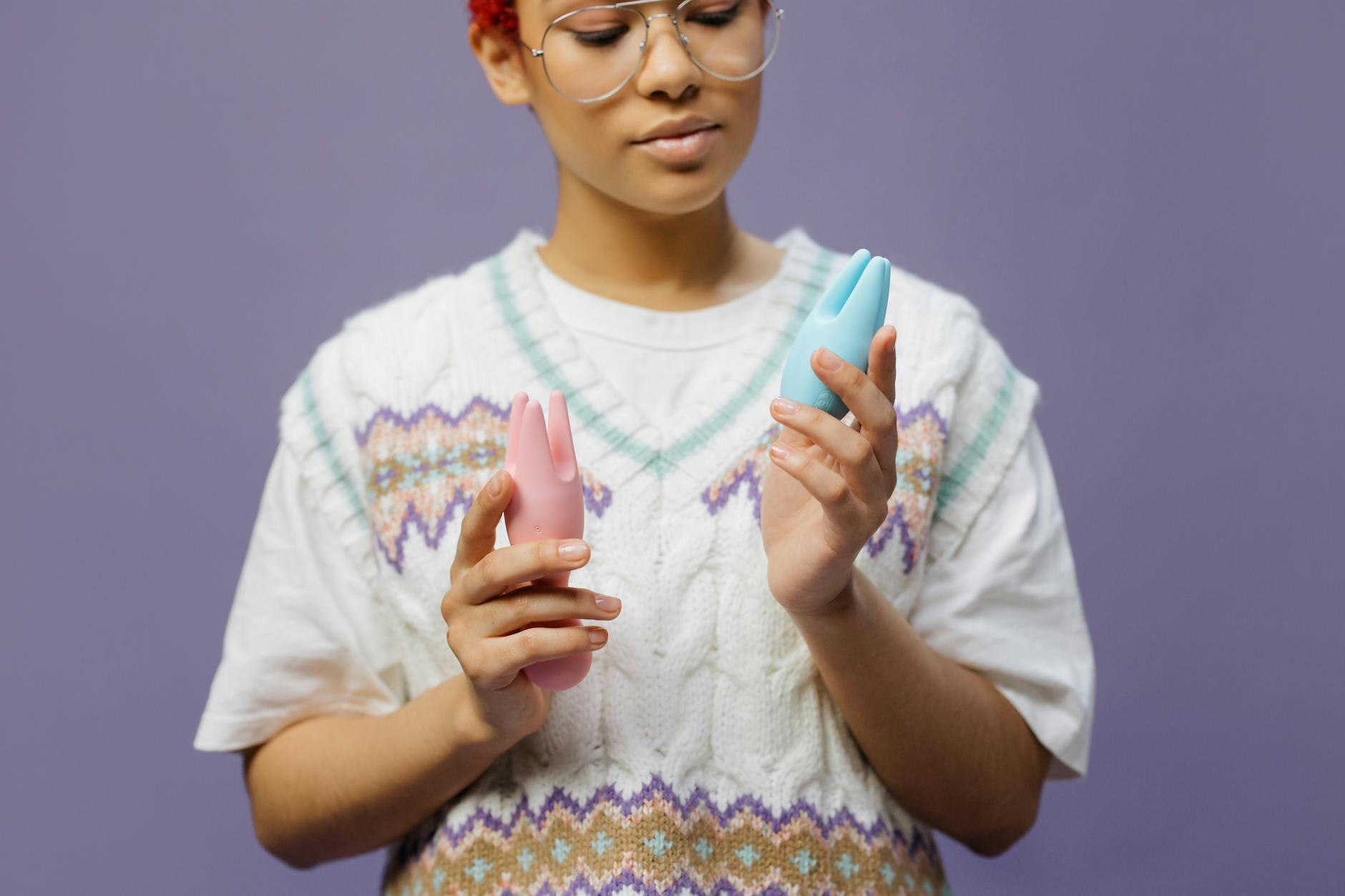
Let's talk about what your clitoris actually wants
If you've ever used a traditional vibrator and wondered why it didn't feel like much, or if you've heard people rave about suction-based toys and felt confused about what that even means, you're not alone. The difference between vibration and suction is not a small detail. It's a completely different kind of stimulation, and your body will feel the gap immediately.
Here's the thing: your clitoris has about 8,000 nerve endings packed into something the size of a pea. Not all stimulation lands the same way. Vibration and suction activate your nervous system through entirely different mechanisms, which means they produce wildly different sensations. Knowing the difference matters because knowing what your body responds to is how you actually enjoy yourself instead of just going through motions.
How vibration actually works
Traditional vibrators do exactly what the name suggests: they vibrate. A motor inside the toy oscillates back and forth, typically between 50 and 10,000 times per second depending on the pattern and intensity setting.
When that vibration hits your clitoral tissue, it creates a ripple effect. The sensation spreads across the surface of the skin and surrounding tissue. Think of it like dropping a pebble in water. Vibration is broad, distributed stimulation. It reaches a wider area but with a lighter touch per point.
For some people, this is perfect. The sensation builds gradually, feels approachable, and can produce really satisfying orgasms. For others, vibration feels numb, tiring on the hand holding the toy, or like something is happening but not quite the right something.
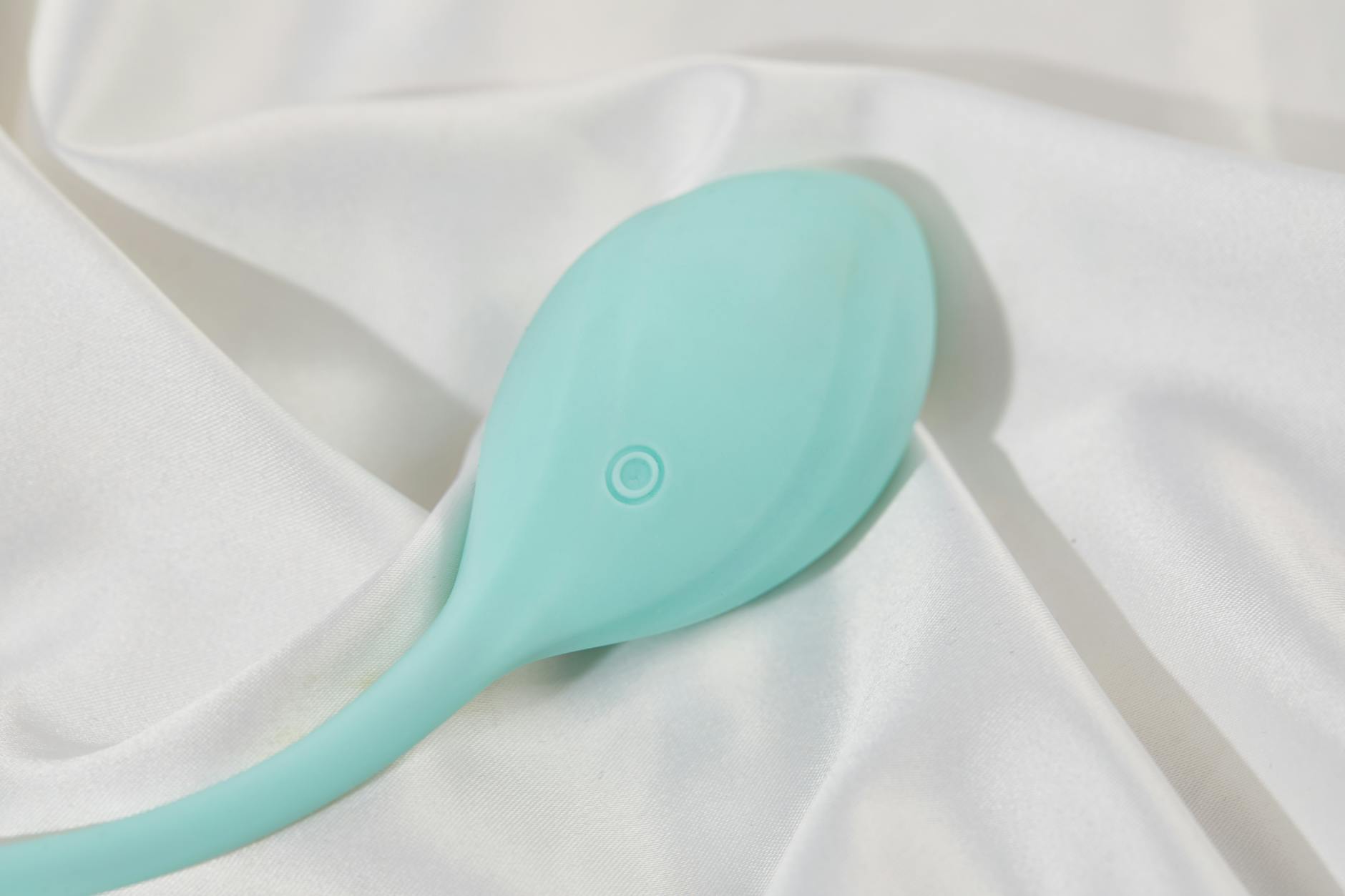
Photo by IFONNX Toys on Pexels
What suction does differently
Suction is a completely different physics problem. Instead of vibrating, a lemon vibrator (or any suction-based clitoral toy) creates a gentle rhythmic pulsing sensation by drawing the clitoral tissue slightly into the toy and releasing it, over and over. It's more like a kiss or a soft pulse than a buzz.
The sensation is concentrated. Rather than vibrations spreading across the surface, suction creates a focal point. It draws blood into the clitoral tissue, which actually increases sensitivity as you use it. Many people describe the sensation as building rather than constant, which means arousal can escalate in waves instead of plateauing.
With a lemon sucker toy like the Lem, you're getting what's sometimes called "oral sex simulation." Not because it's identical to oral sex, but because the mechanism (gentle suction and release) mimics some of the same pressure and release pattern that makes oral sex feel so different from vibration.
The nerve activation difference
Here's the neuroscience part, explained simply: your clitoris contains two main types of nerve fibers. Some respond better to vibration (especially higher-frequency vibration). Others light up in response to pressure changes and gentle suction.
When you use a traditional vibrator, you're basically maxing out the vibration-responsive nerves. If your body is more sensitive to pressure and suction, vibration might feel like you're shouting at someone who's already heard you. It doesn't create more sensation. It just gets louder.
Suction activates the pressure-responsive nerves that vibration often misses entirely. For roughly 40% of people who menstruate, suction-based stimulation produces stronger, faster, or easier orgasms than vibration ever will. Not better. Not worse. Just different, and crucially, more aligned with how their nervous system actually works.
Why intensity feels completely different
There's another layer here that surprises people: suction toys feel more intense at lower "power" settings than vibrators do at high settings. This is partly because the sensation is concentrated and partly because suction naturally builds sensitivity in the tissue it's working with.
You can start a lemon clitoral vibrator on its lowest setting and actually feel something substantial happening. With many traditional vibrators, you have to crank the intensity fairly high before the sensation registers as more than a buzz.
This matters practically because it means suction toys are often easier on the battery, quieter, and require less hand fatigue to use effectively. You're not gripping the toy hard or holding it perfectly still. The mechanism does the work.
Pleasure patterns differ too
Another practical difference: how orgasm tends to unfold. Vibration often produces a consistent build that leads to a peak and release. It's linear. Suction tends to create waves. You'll feel intensity building, then softening slightly, then building again. For many people, this wave pattern actually produces more intense orgasms because each wave is essentially a new build toward climax.
Some people find vibration easier to orgasm from quickly. Some find suction allows for longer sessions without numbness or fatigue. Neither is objectively better. But if you've been struggling with vibrators and assumed your body just doesn't respond well to toys, switching to a suction mechanism might be the actual answer.
How to figure out which sensation is yours
Start by thinking about what feels good in general, not just with toys. Do you prefer light touch or deeper pressure? Do you like constant sensation or something that builds and releases? Do you respond better to focused attention or broader stimulation?
If you're drawn to more concentrated, pulse-like sensation, a lemon sucker is worth trying. If you like broader, consistent buzz, traditional vibration might be your thing. And honestly, lots of people eventually have both because different moods and different times in your cycle call for different things.

Photo by Olga Lioncat on Pexels
If you're starting from scratch, you can get a sense of the difference by using your hand. Tap your clitoris rhythmically (that's roughly vibration) versus gently drawing the surrounding tissue in and releasing it (that's roughly suction). Your own body will tell you which sensation pattern your nervous system prefers.
Body changes matter too
Your body's preferences aren't fixed. They shift with hormones, age, stress, and how much blood flow you have in the area (exercise, alcohol, and arousal all affect this). Some months a vibrator feels amazing. Some months suction is the only thing that works. This is normal.
If you're menstruating, you might notice that during higher-estrogen phases of your cycle, suction works beautifully, but during lower-estrogen phases, you need more intensity or prefer the numbing effect of high-frequency vibration. Again, normal. Your clitoris is adjusting to hormone levels, and different sensation types match different neurological states.
The point is: if you've tried toys and felt underwhelmed, the toy type might be the actual problem, not your body. A lemon vibrator works differently than traditional vibrators because it's using a different mechanism entirely. Trying both gives you real data about what your pleasure actually looks like.
FAQ
Is suction-based stimulation safe for everyone?
Suction toys are generally very safe when used as directed. The sensation is gentle by design. That said, if you have vulvar pain conditions, severe clitoral sensitivity, or dermatological conditions affecting the genital area, check with your healthcare provider before trying any new toy. And always start at the lowest setting to see how your tissue responds. Your body will tell you immediately if something doesn't feel right.
Can you use a lemon vibrator during penetrative sex?
Yes, definitely. Many people use suction toys during partnered sex. Because they're typically smaller and more focused than wand vibrators, they're easier to position during penetration. Just communicate with your partner about what you want and make sure everyone's comfortable. If you're using one during sex with a partner, water-based lubricant helps the suction mechanism work smoothly.
Do I have to choose between vibration and suction?
Not at all. Plenty of people have both types of toys because they serve different purposes. Maybe you use vibration when you want something quick and consistent, and suction when you have more time and want to explore something more intense. Different sensations for different days. That's totally normal.
How long does a lemon clitoral vibrator last on a charge?
Depends on the specific toy and the pattern you're using. Most suction toys last 1 to 2 hours of continuous use on a full charge. Since suction typically requires less power than high-frequency vibration, they often have respectable battery life. Check the specific product specs, but most are designed for multiple sessions per charge.
Is the sensation from a lemon sucker toy comparable to oral sex?
Not exactly, but it has some similarities. Suction toys mimic the pressure-and-release dynamic of oral sex, which is why some people find them feel more like partnered sex than vibration does. But every person experiences oral sex differently, and every person will experience a suction toy differently too. It's similar in mechanism, not identical in feeling.
What if I don't like suction after trying it?
Then you know suction isn't your thing, and that's useful information. Not every toy works for every body. If you try a lemon vibrator and it doesn't land, stick with what does work. Your pleasure isn't broken because one type of toy doesn't do it for you. You just know your preferences, which is actually valuable.
The takeaway
Suction and vibration are not variations on the same thing. They're fundamentally different mechanisms that activate your nervous system in different ways. Understanding that difference is how you stop trying toys that don't match your body and start actually enjoying yourself.
If you've been frustrated with traditional vibrators, it's worth trying a suction-based option to see how it lands. And if vibration works great for you, there's no reason to switch. The goal is knowing what your body responds to, then using that knowledge to design a pleasure practice that actually works. That starts with understanding the difference between how these tools work in the first place.