The overstimulation problem no one talks about
Let's be real. You've probably heard that vibrators are "safe," but no one explains what actually happens when you use them too intensely or for too long. Your clitoris has roughly 8,000 nerve endings packed into an area the size of a pea. That's a sensitivity that's both a gift and something that demands respect.
Overstimulation isn't about willpower or something being wrong with your body. It's a neurological thing. When those nerves get overwhelmed by constant, intense friction or vibration, they literally stop responding. You'll feel numbness, soreness, or a sudden drop-off where pleasure turns sharp or uncomfortable. For some people, that numbness lasts hours. For others, it lingers for days.
Why traditional vibrators make overstimulation more likely
Most vibrators work through direct mechanical friction. They press and buzz against the clitoris repeatedly at high frequency. The sensation is immediate and intense, which feels amazing at first. But there's a problem. That constant, direct pressure can push past pleasure into overstimulation faster than you'd expect. The clitoris has no "off" switch once the nerves start fatiguing.
Traditional vibrators also don't adapt well to sensitivity changes. If your clitoris feels less responsive one day or you're coming off a session where you were intense, you're using the same aggressive patterns anyway. There's no natural way to dial back the intensity without just turning it off entirely.
The other thing nobody mentions: direct vibration sometimes creates a numb sensation that feels almost like pleasure because the pressure is strong. You chase that feeling, but you're actually irritating the tissue without building toward anything. That's overstimulation disguised as sensation.
How suction-based stimulation changes the game
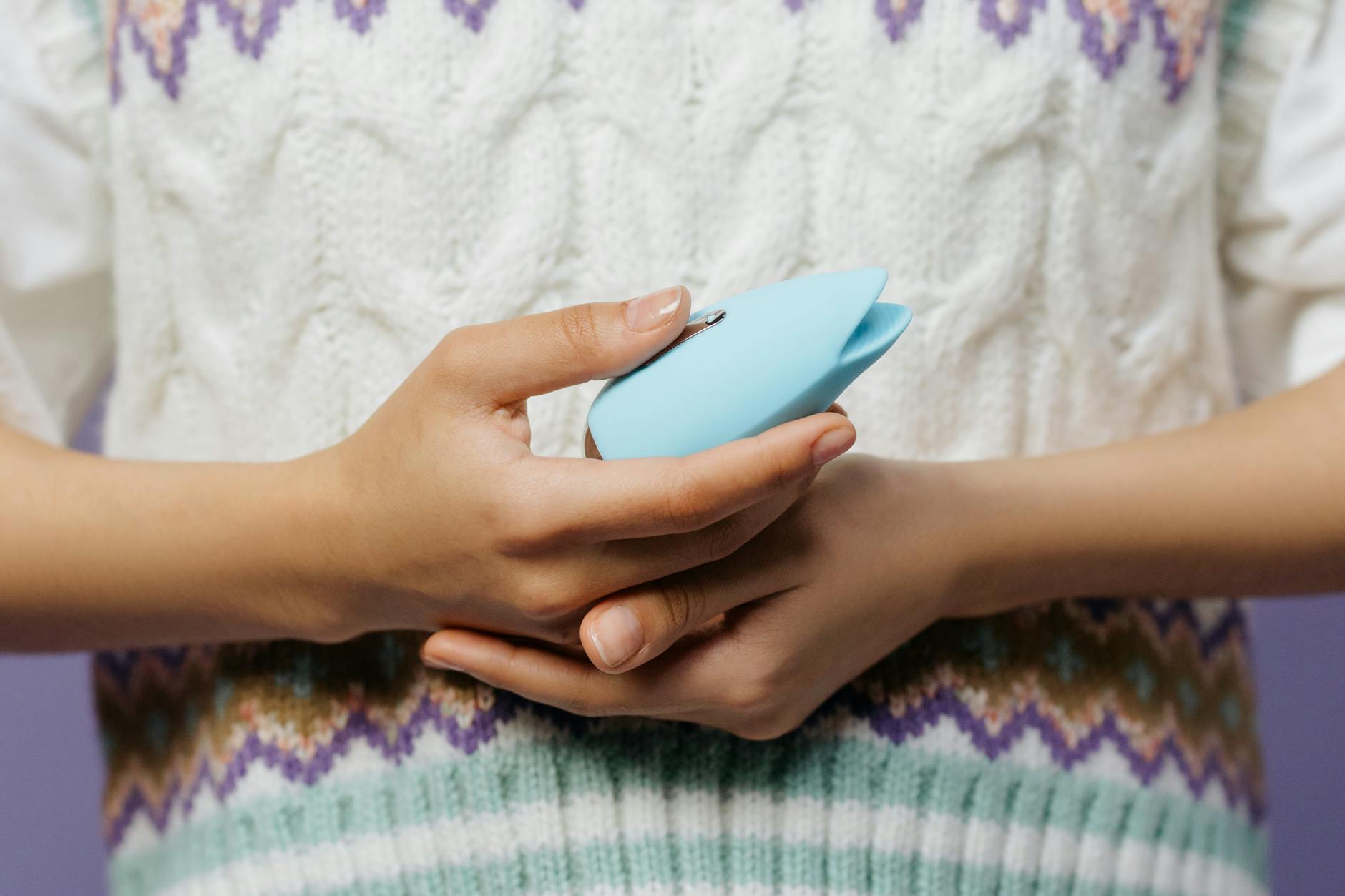
Lemon clitoral vibrators use a completely different mechanism. Instead of pressing and buzzing, they use gentle suction and pulsing patterns that stimulate the entire clitoral structure, not just the surface. The suction creates a micro-massage effect that distributes stimulation across the nerve network rather than concentrating it all in one spot.
This matters because suction activates pleasure nerves without the relentless friction. Your clitoris gets stimulation that builds gradually. The sensation feels richer, more diffuse, and honestly, harder to overstimulate. You're working with your body's natural response instead of fighting against a one-note vibration pattern.
The patterns in lemon toys also tend to be gentler. Rather than a constant buzzing at one frequency, they pulse, wave, and vary. This rhythm prevents the numbing effect that comes from monotonous stimulation. Your clitoris stays responsive throughout because the sensation keeps shifting slightly.
The sensitivity mapping that actually matters
Here's something I've noticed working with dozens of people concerned about overstimulation. Your clitoral sensitivity isn't static. It changes daily based on hormones, stress, hydration, and whether you've had recent orgasms. Traditional vibrators don't account for that variability. You're locked into whatever intensity you chose.
With a lemon suction toy, you have gentler starting patterns. Most versions offer 5-10 different pulse modes, often starting at a whisper-soft rhythm. You can begin at pattern 1 or 2, feel your body's response, and only move up if you want to. This responsiveness is huge for people worried about overstimulation. You're literally following your clitoris's feedback in real time, not imposing an external sensation on it.
One more thing: the physical shape matters. A lemon clitoral vibrator's opening creates a seal that's comfortable and natural. You're not jamming anything into your body or applying pinpoint pressure. The stimulation is gentle enough to start, then gets more interesting as your arousal builds.
Three ways to use lemon vibrators without overstimulation
Start at the lowest pattern. Seriously. Pattern 1 on most clitoral suction toys is designed to feel subtle, almost teasing. Spend 5-10 minutes there before moving anywhere else. This primes your clitoris without shocking it into numbing.
Take strategic pauses. Every 15-20 minutes of stimulation, pull away for 2-3 minutes. Let your clitoris reset. This breaks up the continuous nerve stimulation that causes fatigue. When you come back, sensation usually feels fresh again. It's like the difference between a 30-minute sprint and three 10-minute intervals. Your body recovers, and pleasure stays interesting.
Notice the difference between pressure and pleasure. If something feels sharp, numb, sore, or like nothing at all, stop. That's overstimulation signaling. With traditional vibrators, people often keep going because they're chasing intensity. With a lemon toy, the sensation is nuanced enough that you can tell the difference between "that feels incredible" and "I've numbed my clitoris." That awareness is protective.
The recovery piece nobody plans for
If you do overestimate and end up with temporary numbness or soreness, here's what helps. Stop using vibrators for 24-48 hours. Your clitoral nerves need time to recover from fatigue, same as any other nerve-dense area. During that time, touch your clitoris gently with your hand, no pressure. Just soft contact to reestablish sensation. Moisturizing that area helps too. Dry tissue is more irritation-prone.
When you come back to using a lemon vibrator, start at pattern 1 again. Don't rush back to what you were doing before. Your body just taught you something about its limits. Listen.
The emotional side of this
A lot of people feel ashamed or broken when overstimulation happens. They think they "did it wrong" or shouldn't have wanted something that intense. That's backwards. Overstimulation is just information. Your clitoris has specific limits in that moment, and respecting those limits is actually the foundation of sustainable pleasure.
Using a tool like a lemon clitoral vibrator differently means you're building confidence in reading your body. You start slow, notice feedback, and adjust. That's not boring or less sexy. It's actually way more connected because you're tuned into what's happening instead of just applying force and hoping it works.
The other thing: overstimulation can make people anxious about using toys at all. "Maybe I shouldn't use vibrators." But that's like saying you shouldn't ever cook because you once burnt something. The tool isn't the problem. How you're using it matters. A lemon vibrator, with its gentler starting points and varied patterns, often fixes the overstimulation cycle entirely.
When to seek more support
If numbness lingers for more than a few days after using a toy, or if even gentle stimulation causes sharp pain, check in with a healthcare provider. That's not normal and sometimes signals something like vulvodynia or another tissue issue that deserves attention.
Same if you're noticing that you need increasingly intense stimulation to feel anything at all, even with longer recovery periods. That can mean your nervous system needs a break, or sometimes it's worth talking to a therapist who specializes in sexual health. There's no shame in that conversation.
Otherwise, know this. Overstimulation isn't a reason to avoid pleasure. It's a reason to get curious about how your clitoris actually works and what it needs. A lemon clitoral vibrator, with its suction-based design and graduated patterns, is specifically built for people who want pleasure without the crash.