The honest part nobody tells you
Postpartum arousal doesn't come roaring back. It creeps back, stutters, vanishes for weeks, then maybe whispers hello again. Most people describe it as broken when it's actually just... paused. Different. And wildly more complicated than pregnancy hormones alone.
Here's the thing: your body didn't forget how to want sex. But your nervous system has been in crisis mode for nine months, your hormones have done a complete 180, your pelvic floor is learning to function again, and your brain is running on fragments of sleep while managing a tiny human who needs you for literally everything. Arousal is not high on the agenda. That's not dysfunction. That's biology with reasonable priorities.
But it matters that you reconnect. Not for your partner. For you. Because desire is part of how you feel like yourself, and a lot of people lose that for so long they forget it's supposed to come back.
What actually changes after birth
Let's separate the physical from the emotional, because they're two different problems.
Physically: your pelvic floor is healing (whether you had a vaginal birth or a cesarean). Oxytocin is still running the show, which is great for bonding but lousy for arousal. Estrogen and testosterone are both in the basement. Your breasts might be leaking milk or sore from nursing. Your episiotomy or cesarean scar might feel tender. Lubrication is scarce. Fatigue is heavy.
All of this is real. All of it makes the idea of adding "have an orgasm" to your to-do list sound exhausting.
Emotionally: you're touched out. You're probably grieving your old body and identity a little, even if you're thrilled about the baby. You might feel resentful that pleasure used to be simple and now it requires logistics. Your partner might want things to "get back to normal," which is sweet but ignores that nothing is normal. You're managing anxiety about whether your body will even work the way it used to.
Many people think the emotional block will lift once they're getting more sleep. Sometimes it does. Often it doesn't, because emotions aren't waiting in a queue for rest.
The timeline everyone lies about
Doctors say "six weeks clearance." Your body says something different.
Pelvic floor therapists will tell you that actual healing for most people takes three to six months minimum. Hormones don't stabilize (even on the pill) until around six months postpartum. Desire in people who nursed often doesn't return to baseline until after weaning. And the emotional recalibration? Some people clock it in a year. Some take two.
You're not slow. You're not broken. You're on an actual timeline, not the one that fits a greeting card.
Why arousal feels so different (and what helps)
Arousal after childbirth is like trying to start an engine that's been idling in the cold. It takes longer. It requires more deliberate action. The stimulation that worked before might feel too intense or not intense enough. And your body might not signal hunger the way it used to because it's been in survival mode.
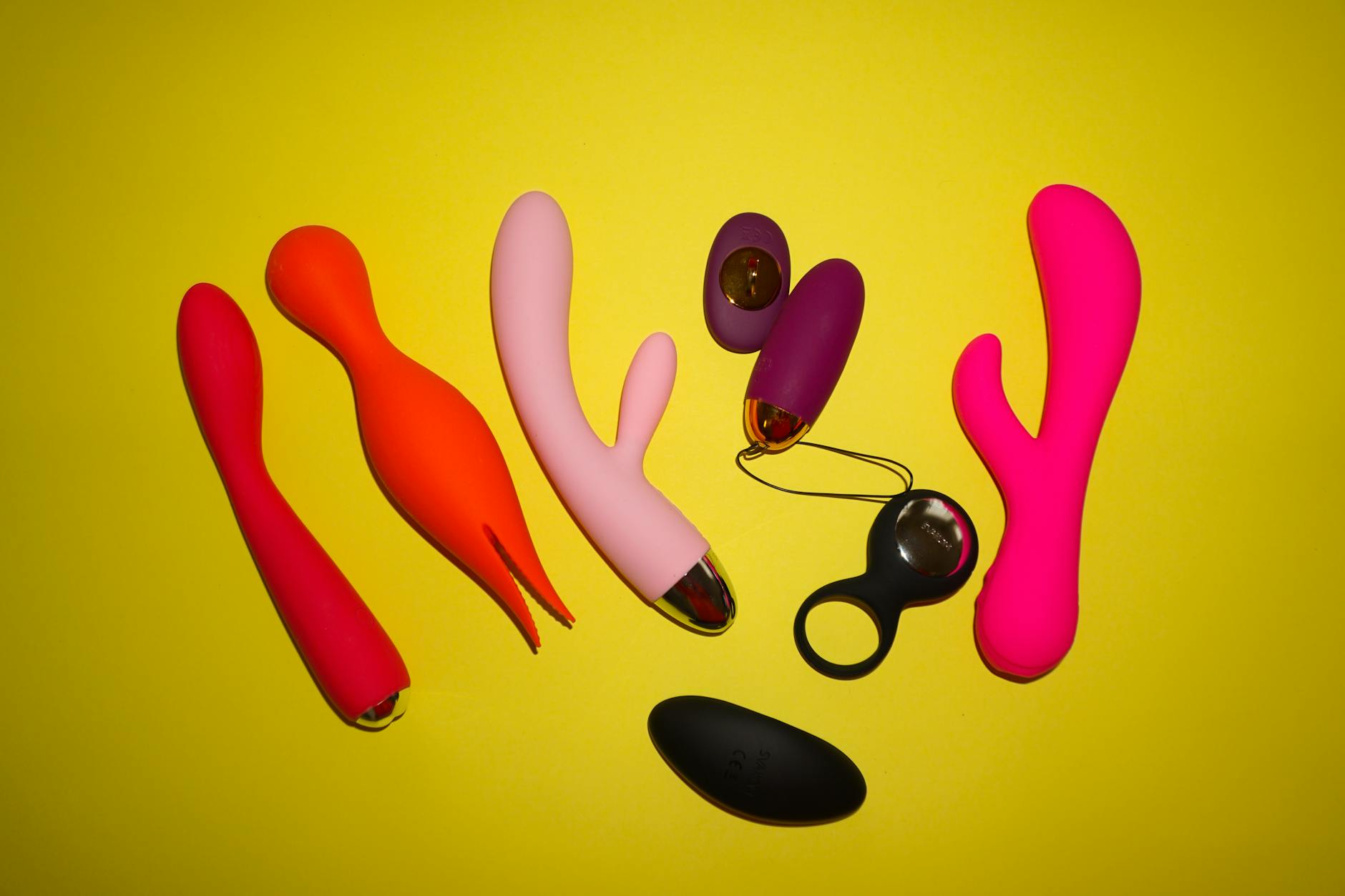
Here's where a lemon clitoral vibrator changes the game:
It bypasses the waiting. You don't have to generate arousal through fantasy or foreplay or the slow warm-up that used to happen naturally. A lemon vibrator starts with direct, consistent stimulation. That signal can wake up pathways that are dormant, not dead.
It requires zero coordination. You don't need your partner to know exactly where or how to touch you. You don't need to guide them or correct them or manage their feelings about what you need. You hold the lemon sucker, you control the pattern, you're done when you're done. That autonomy matters so much right now.
It works even when you're exhausted. Arousal and exhaustion don't usually coexist. But targeted clitoral stimulation from a lemon vibrator can create a localized sensation that doesn't demand whole-body participation. You can be mostly checked out and still feel something real.
It normalizes touch without pressure. After months of being touched by a baby, touched by medical professionals, touched for function instead of pleasure, using a lemon vibrator is a way of saying "this body is mine, and it feels good." That reclamation is profound.
The physical reality of sensation postpartum
Nobody tells you this, but clitoral sensation often changes. Not dramatically for most people, but noticeably. The nerve density doesn't change, but the tissue around it is healing and hormone-deprived. Touch might feel less sharp, less electric, more muted.
This is where the design of a lemon clitoral vibrator specifically helps. The suction pattern creates a different kind of stimulation than friction or direct vibration. It mimics the kind of pressure and pulsing that can feel more satisfying when direct sensation is softer. And you can adjust which intensity pattern works for your postpartum body without switching toys.
Many people find they need patterns 1 or 2 when they first restart, then graduate to higher intensities as sensation returns. That progression gives you data: your body is waking up.
Rebuilding with a partner (if you have one)
Here's the conversation that never happens cleanly: your partner probably wants things to "get back to normal," and you're not sure that's possible or fair. You're right on both counts.
Introducing a lemon vibrator into partnered sex can actually repair a lot of tension because it shifts the dynamic. Instead of "my body should be enough," it becomes "this is a tool we're using together." Instead of pressure to orgasm, it becomes exploration. Instead of "am I taking too long," it becomes "this works."
Some partners find it threatening at first. Most find it radically practical once they realize the alternative is probably nothing for another few months.
When to get professional help
If pain during or after sex hasn't improved by three months postpartum, see a pelvic floor physical therapist. Not because something is permanently wrong, but because addressing it matters. Tension in the pelvic floor directly suppresses arousal and sensation.
If desire has completely disappeared and you're past six months postpartum, mention it to your doctor. Sometimes it's a thyroid thing. Sometimes it's postpartum depression. Sometimes it's just that your body needs permission to want again, which you can give yourself.
Pleasure is part of recovery
Reconnecting with your body's capacity for sensation is part of healing. Not the most important part. Not the urgent part. But a real part. A lemon vibrator gives you a way to explore that without pressure, without an audience, without needing your body to perform the way it used to.
Your arousal will rebuild. Just not on anyone else's timeline. And it might be different when it does. That's not a problem to solve. That's information about who you are now.