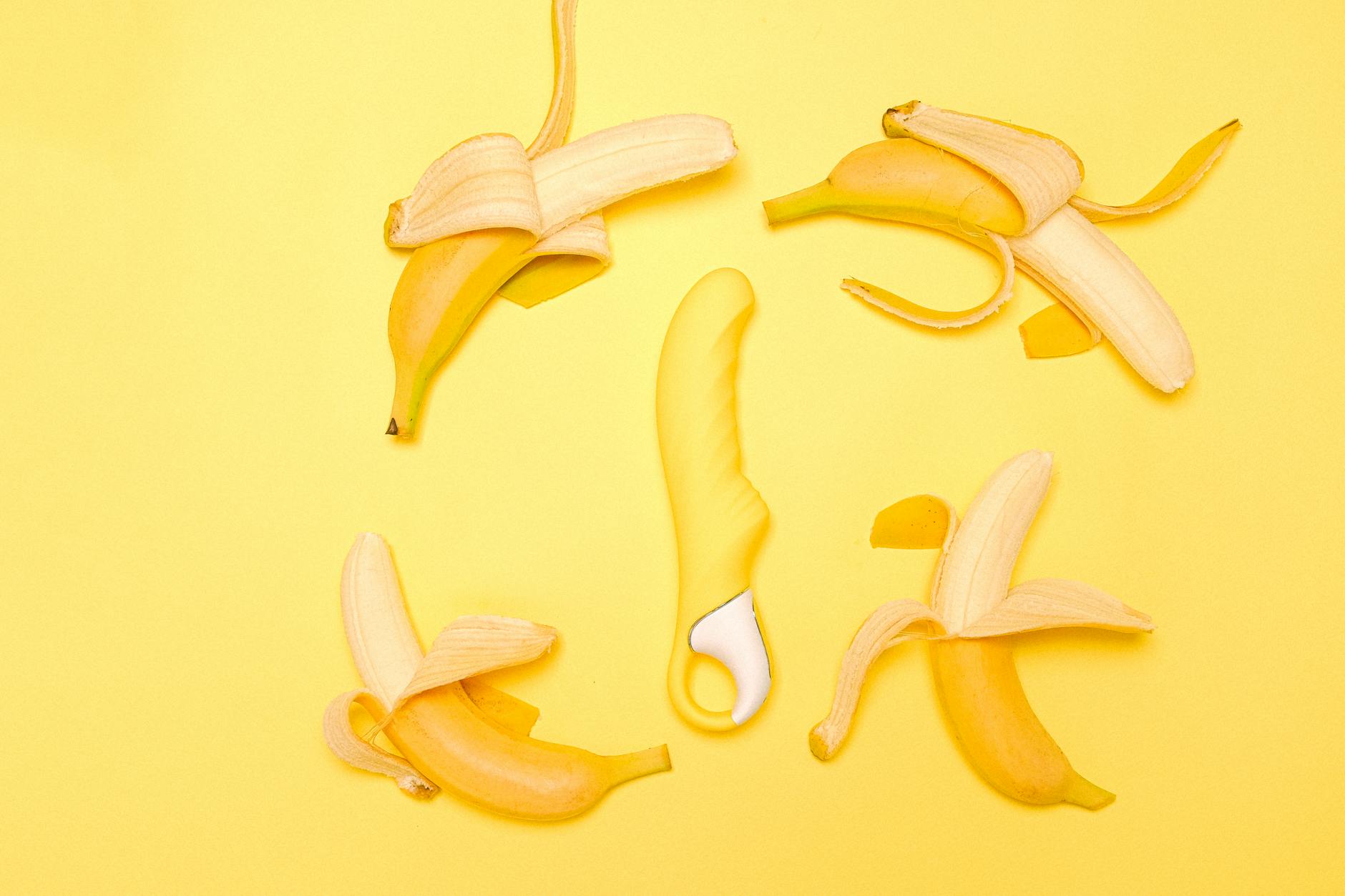
Let's talk about what actually happens to sensation in perimenopause
Perimenopause doesn't flip a switch. It dims one slowly, and that dimmer affects everything from how you feel touch to what kind of stimulation registers as pleasurable. Most people assume sensation stays constant or gradually fades. It doesn't. It becomes unpredictable, and honestly, that's the part nobody warns you about.
Here's the mechanism: as estrogen fluctuates (not drops, but swings wildly), the tissue around your vulva thins slightly, nerve sensitivity adjusts, and blood flow to the clitoris becomes less consistent. Some days touch feels electric. Other days, you need way more pressure to feel anything at all. Neither is a problem. Both are completely normal perimenopause.
Why your clitoris feels different month to month
Your clitoris isn't just an external nub. It's a complex organ with thousands of nerve endings, and those nerves respond directly to estrogen. When estrogen is high, blood flow increases, tissues plump up slightly, and sensation is heightened. When it dips, everything contracts a bit. You need more stimulation to reach the same threshold.
The frustrating part? In perimenopause, you never know which version of yourself shows up. You might have two weeks of normal sensitivity, then suddenly need double the intensity to achieve anything. Then it swings back. This isn't dysfunction. It's hormonal reality.
A traditional vibrator with fixed intensity settings works fine when your body stays constant. But when sensitivity is bouncing around, you need something that adapts to where you are that day. This is where the design of lemon clitoral vibrators actually matters.
The suction-based approach handles flux better than fixed vibration
Most vibrators work by shaking fast. That's simple, effective for consistent bodies, but rigid when sensitivity shifts. A lemon vibrator (often called a lemon sucker because of its suction-based mechanism) works differently. Instead of pure vibration, it creates gentle suction combined with pulsing stimulation.
Why this matters during perimenopause: suction-based stimulation can feel gentler on days when everything is tender, but you can still build intensity by adjusting the pattern and speed without increasing raw pressure. You're not hammering your clitoris with the same relentless frequency. You're working with it.
The Lem, Lemnancy's flagship lemon clitoral vibrator, has multiple intensity levels and patterns. On a sensitive day, you start at level 1 or 2. On a day when you need more, you skip straight to level 4. You're not locked into one experience.
Hormone fluctuation and what to expect throughout your cycle
During the follicular phase (days 1-14 of a typical cycle), estrogen climbs and your sensation peaks. This is the "easy button" week. Orgasms come faster, everything feels more responsive, and any clitoral vibrator works well.
During the luteal phase, progesterone rises and estrogen dips. Sensation becomes more muted. What felt amazing last week now feels like a gentle hum. You need more pressure, longer warm-up time, different patterns. This is when a versatile tool like a lemon vibrator earns its place, because you can shift intensity mid-session based on how your body is actually responding.
In perimenopause, these cycles get messy. You might skip a month, then have two heavy cycles back-to-back. Sensation doesn't follow the old script. You need equipment flexible enough to meet you wherever you land.
Tissue thinning and what actually helps
As tissue thins slightly in perimenopause, direct vibration against delicate skin can feel less comfortable. Suction-based stimulation distributes pressure differently. Instead of a point-contact buzz, you're getting gentler surrounding compression. For many people, this feels better on days when sensitivity is heightened or tissue feels fragile.
Lubrication becomes more important too. Water-based lube and a lemon clitoral vibrator pair well because suction works better with a slight amount of moisture. This isn't a workaround. It's just how the mechanism works most pleasantly.
Building your own sensation baseline during this transition
Here's what I recommend: stop comparing what works now to what worked two years ago. Your baseline has shifted, and that's information, not failure.
Spend a week or two tracking what actually feels good without judgment. Which intensities? Which patterns? How long does warm-up take? Does sensation feel better in the morning or evening? Are there foods, stress levels, or sleep patterns that shift sensitivity? You're building a map of perimenopause-era pleasure, not chasing your 35-year-old body.
Once you know your actual patterns, a multi-level lemon vibrator becomes invaluable because you can adjust on the fly. No need for multiple toys. One tool with range meets you wherever you are.
Why dedicated clitoral vibrators beat general-purpose toys right now
You might already have a partner vibrator or a wand sitting in a drawer. During perimenopause, those tools often feel clumsy because they're designed for average bodies with average hormone levels. A dedicated lemon clitoral vibrator is built for precision exactly where you need it.
The size matters too. A smaller, focused head means you can target the exact spot that's responsive on any given day. You're not vibrating a 3-inch surface hoping something lands. You're stimulating intentionally.
And if sensation is unpredictable, you want a toy you trust. Something with a track record of adapting to different bodies and states. Lemnancy lemon vibrators have been designed specifically with this kind of adaptability in mind.
The emotional piece underneath the physical shift
Here's what gets skipped in most conversation: perimenopause sensation changes can feel like your body is betraying you. One month you're fine. The next you feel numb. It's easy to assume something is broken or that pleasure is leaving.
It's not. Your nervous system is recalibrating. Your hormones are shifting. And your equipment should shift with you. This is the moment to invest in a tool that's flexible enough to meet you through the transition, not one that locks you into a single intensity or approach.
Talk to your partner (if you have one) about what's changing. Not as a problem to solve, but as information to work with. "My sensitivity is all over the place" is different from "something's wrong with me." One conversation leads somewhere. The other leads nowhere.
When to check in with a healthcare provider
If sensation shifts are paired with pain, numbness that doesn't shift back, or complete loss of arousal, mention it to your GP. Perimenopause sensation changes are normal. But if they're extreme or limiting, there are options. Topical estrogen, vaginal moisturizers, or other interventions can help. You don't have to white-knuckle through.
Otherwise? Get a lemon clitoral vibrator you trust, understand your own pattern, and give yourself permission to adjust as you go. Your body isn't the problem. It's just communicating differently.
FAQ: Sensation changes and lemon vibrators
Why do lemon vibrators work better when sensation feels unpredictable?
Lemon clitoral vibrators use suction-based stimulation with multiple intensity levels, which allows you to adjust in real time based on how your body feels that day. Unlike fixed-intensity vibrators, you're not locked into one sensation. You can start gentle and build, or jump to higher intensity, depending on your actual sensitivity in that moment.
Does perimenopause sensation change come back to normal?
Not exactly to pre-perimenopause baseline, but yes, it stabilizes. Once you move through the hormonal chaos of perimenopause into menopause, hormone levels plateau. Sensation becomes predictable again, though often different from your younger years. For many people, this new baseline is actually easier to work with because there's no monthly whiplash.
Should I use lubricant with a lemon vibrator during perimenopause?
Yes, absolutely. Water-based lubricant helps suction-based stimulation feel better, and it's especially useful during perimenopause when lubrication might be less consistent. It's not a sign something's wrong. It's just a tool that makes the experience better.
Can I use my old vibrator during perimenopause or should I switch?
You can use whatever works. But many people find that during perimenopause, a tool with adjustable intensity is more useful than one with a single speed. If your current toy has only one or two settings, you might feel frustrated on days when you need something different. That's a reason to try something new, not a reason to think you're broken.
How long does perimenopause sensation fluctuation last?
Perimenopause lasts 4 to 10 years on average, and sensation can shift throughout. Once you're 12 months past your final period (menopause), hormone levels stabilize and sensation becomes more consistent. Until then, flexibility in your tools and patience with your body are your best bets.
Is numbness during perimenopause permanent?
No. If you're experiencing mild sensation shifts tied to your cycle, that's typical perimenopause. If numbness is extreme or localized, check with your doctor. But temporary unpredictability? That's the process, and it usually resolves. A versatile lemon clitoral vibrator helps you stay engaged and discover what feels good during the transition.
The bottom line
Perimenopause changes sensation. That's not a problem waiting for a solution. It's a shift that asks for flexibility. A lemon vibrator gives you that because it adapts to you instead of asking you to adapt to it.
Your pleasure matters just as much now as it did before perimenopause started. You just need tools and information that match where you actually are. Get the first, use the second, and give yourself permission to explore what feels good in this new body. It's not the same as before. But for a lot of people, it gets better.