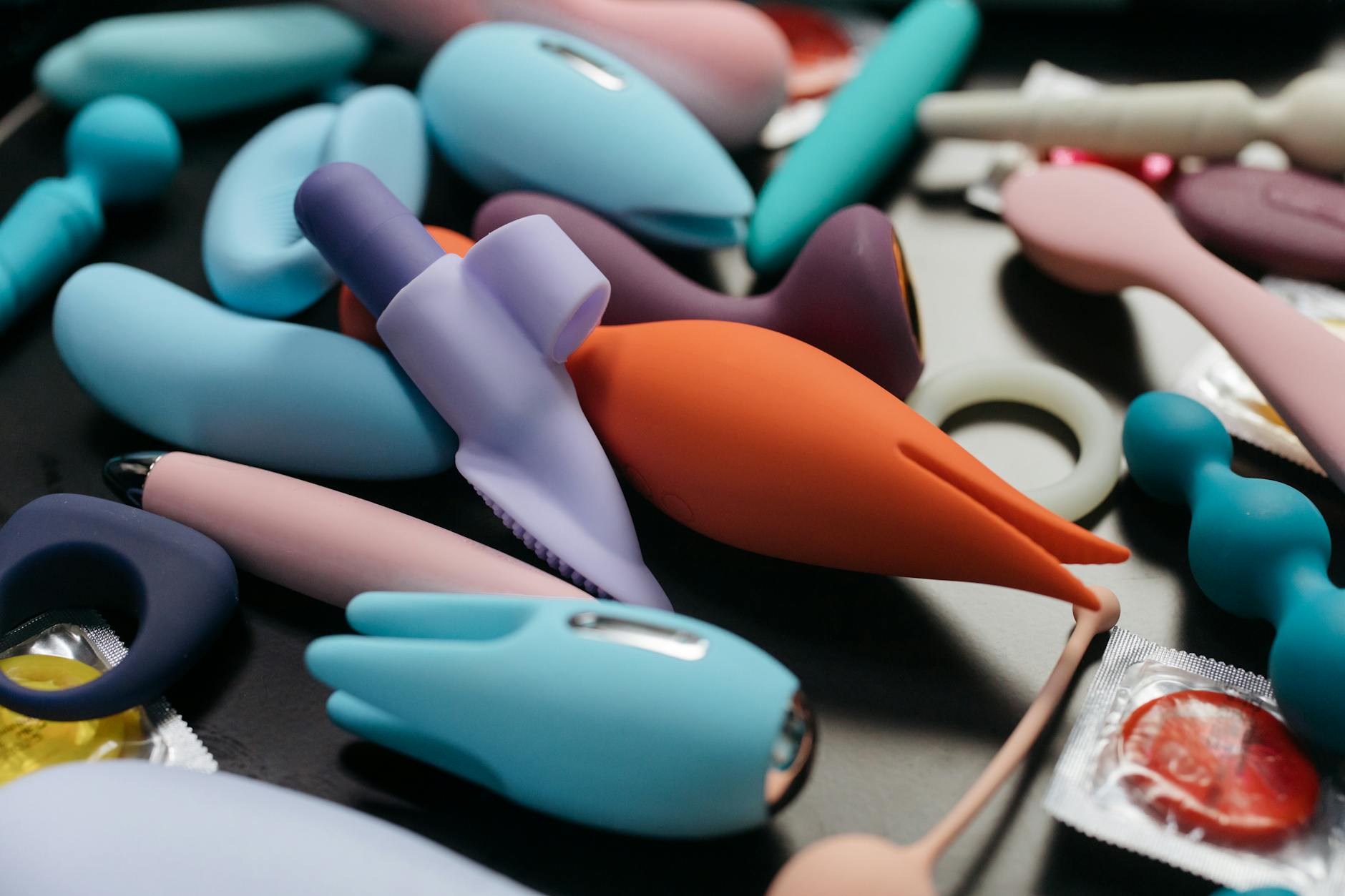
Let's talk about the gap that conflict creates
After a serious argument or weeks of tension with your partner, your body doesn't just reset when the conversation ends. Your nervous system is activated. Your pelvic floor is probably held tight. Your ability to relax into pleasure, either alone or with them, often vanishes completely.
That's not a sign your relationship is broken. It's a sign your body is processing threat, and it needs a deliberate pathway back to safety.
Why solo pleasure matters after conflict
Here's what most couples don't realize: reconnecting sexually after conflict doesn't start with your partner. It starts with you, alone, relearning what pleasure feels like when there's zero pressure to perform, respond, or be "ready." This is where a tool like a lemon clitoral vibrator becomes genuinely useful as a bridge.
When you use a lemon sucker or clitoral vibrator solo after a rough patch, three things happen neurologically. First, you're signaling safety to your nervous system through pleasurable sensation. Second, you're reclaiming your body as yours, which conflict often makes you forget. Third, you're building evidence that arousal is still possible, which fear tends to convince you isn't.
This isn't about "getting off." It's about gently saying to your nervous system: we're okay. We're safe. We can feel good again.
The nervous system piece that actually matters
Conflict triggers your sympathetic nervous system. Your body believes there's a threat, so it floods cortisol and adrenaline. Your vagus nerve (the main highway for relaxation) goes quiet. Your pelvic floor tightens as a protective reflex. And pleasure, which requires your parasympathetic nervous system to be online, becomes nearly impossible.
Using a lemon vibrator or lemon sexual toy solo is a form of what therapists call "titration." You're introducing small, pleasurable stimulation to your body in a context where nothing is expected of you. The suction sensation of devices like the Lem actually activates calming receptors in your clitoris, which sends signals up to your brain that override the threat response.
You're not forcing yourself to feel better. You're giving your body the information it needs to downshift back into rest mode.
The three phases of solo reconnection
Phase one: Just noticing, no goal. The first week after conflict, use a lemon clitoral vibrator with zero pressure to orgasm. Set a timer for 10 minutes. Use it on the lowest setting. The entire job is noticing sensation without judgment. Not "Am I aroused yet?" Just "What does this feel like?" This phase rewires your brain from "this doesn't work" back to "I can feel this."
Phase two: Building curiosity. Once you've spent three to five solo sessions just noticing, you can gently increase intensity or experiment with different patterns. A tool like the Lem or other lemon adult toys gives you multiple intensity levels to play with. You're not chasing orgasm yet. You're learning what your body actually wants right now, which often shifts after conflict.
Phase three: Reconnection readiness. After two to three weeks of consistent solo practice, most people notice a shift. Arousal starts to feel possible again. Your pelvic floor softens. You're not angry at your body anymore. This is when it becomes safer to try reconnecting with your partner, because you've already reminded yourself that pleasure is still available to you.
When penetration or partnered pressure isn't the move
After conflict, suggesting penetrative sex or even coupled stimulation too quickly often backfires. Your nervous system reads it as more pressure, and whatever progress you've made evaporates. This is where solo play with a lemon vibrator shines. It's entirely on your timeline. No one is waiting for you. No one is watching to see if you're "ready." You're doing this for you.
Clitoral-focused tools are especially gentle for this reason. They don't carry the same performance weight that penetration does. You're not being "tested" on your ability to respond. You're simply reconnecting with sensation.
The conversation with your partner while you're rebuilding
You don't need to give your partner a play-by-play of your solo sessions. But it does help to name what you're doing so it doesn't feel like secrecy. Something like: "I'm taking a few weeks to reconnect with my body on my own. It helps me settle my nervous system after what happened between us. It's not about you. It's about me rebuilding my sense of safety."
Most partners actually find this reassuring. It signals that you're taking responsibility for your own nervous system regulation, which is mature and takes pressure off them. And when you do eventually reconnect partnered, you'll be coming from a place of "I've already experienced pleasure again" instead of "Will this even work anymore?"
Using lemon clitoral vibrators for nervous system reset
The specific mechanics of a lemon sucker or lemon clitoral vibrator matter here. Suction-based stimulation, which tools like the Lem deliver, activates different nerve pathways than friction-based vibration. The sensation is often less intense, which means it's less likely to trigger the same tension patterns conflict created. You're introducing pleasure through a different door.
Start on the lowest setting. Many people who've been through emotional friction need time to rebuild sensitivity. A gentle pulse at pattern one on a device designed for clitoral pleasure is often more effective than aggressive high-speed stimulation. You're teaching your nervous system that pleasure is safe, not shocking it back into arousal.
Common obstacles and how to work through them
"I feel guilty doing this while we're still awkward." That guilt is part of the threat response. Your nervous system hasn't fully downshifted yet, so everything feels wrong. The antidote is continuing anyway, gently. After three or four sessions, the guilt typically fades as your body actually starts to feel the calming effect.
"I'm not getting aroused, which makes me panic more." This is normal. Conflict creates a feedback loop where inability to become aroused creates more anxiety, which prevents arousal further. Break the loop by removing arousal as the goal entirely. Use a lemon vibrator for five minutes just feeling the sensation, then stop. That's success. You're not chasing an outcome. You're just introducing pleasure signal back into your nervous system.
"My partner feels rejected if I'm doing this solo." This one requires a conversation. Help them understand this isn't rejection. It's recovery. Using a lemon sexual toy or device to rebuild your own arousal capacity is actually a gift to the relationship, because it means you won't expect them to single-handedly fix your nervous system.
The timeline is longer than you think
Re-establishing sexual connection after real conflict typically takes four to six weeks when approached this way. That feels long. It is. But it's also sustainable. If you try to force reconnection before your nervous system is ready, you often end up in another conflict. Taking the time to rebuild solo sets you up for genuinely pleasurable partnered reconnection later.
Using lemon clitoral vibrators or other tools designed for external stimulation gives you agency over that timeline. You're in charge of when you're ready. You're not waiting for your partner to initiate or figure out what you need. You're actively signaling safety back to your own body.
FAQ
Can lemon vibrators really help after a big argument?
Yes, but not because they're magic. They work because solo pleasure with a tool you control helps your nervous system downshift from threat mode. Clitoral stimulation activates the vagal brake, which is your body's off-ramp from stress. Combined with the fact that you're doing this entirely for yourself, it creates conditions where your body can remember what pleasure feels like without pressure.
How long should I wait after a conflict before using a vibrator solo?
If emotions are still running very high, wait 24 to 48 hours. Your nervous system needs a little distance to start settling. Once the immediate heat has passed, using a lemon clitoral vibrator can actually speed up your nervous system recovery compared to just waiting in tension.
Should I tell my partner I'm doing this?
It depends on your relationship, but transparency tends to help. A simple "I'm taking some time to reconnect with pleasure on my own for a few weeks" prevents misunderstanding and often actually strengthens the relationship because it shows you're taking your own nervous system seriously.
What if I still can't feel pleasure after two weeks of solo play with a lemon vibrator?
That's a sign the nervous system activation is deeper, and you might benefit from talking to a therapist or counselor who specializes in somatic work or couple's therapy. Sometimes what looks like sexual shutdown is actually a sign that the relationship conflict needs more skilled support to resolve. A lemon sexual toy is a tool, not a fix.
Is a lemon clitoral vibrator better than other vibrators for this?
Clitoral vibrators in general are good for nervous system recovery because they're external and low-pressure. Lemon-designed tools specifically offer suction-based stimulation, which activates different nerve pathways than traditional vibration, making them particularly gentle for someone rebuilding. But the core point is that you need something you control, that feels safe, and that doesn't carry performance pressure.
How do I transition from solo reconnection to partnered pleasure again?
Once you've spent three to four weeks rebuilding solo arousal capacity, you're ready for a conversation with your partner about what reconnection looks like. The key is not jumping straight back to what you were doing before the conflict. Try something slower and more present. Maybe use a lemon vibrator together without pressure for partnered pleasure to happen. Let your bodies reset together gradually.
The bigger picture
After relationship conflict, your body isn't broken. Your nervous system is just in protection mode, and it needs evidence that safety has returned. Solo pleasure with a tool like a lemon clitoral vibrator is one of the most straightforward ways to provide that evidence. You're not trying to outrun the conflict. You're gently guiding your nervous system back online. Once you're there, reconnecting with your partner becomes something you want to do, not something you're forcing yourself through.
If you're navigating this space right now, know that what you're experiencing is completely normal. Your body is doing exactly what it's supposed to do. And with patience and the right support, including gentle tools designed for pleasure, reconnection is absolutely possible. Consider reaching out via /contact if you'd like to talk through your specific situation with someone trained in relationship dynamics.