Let's talk about pelvic pain and pleasure
Pelvic pain conditions feel like a betrayal of your own body. Endometriosis, vulvodynia, pelvic floor dysfunction, interstitial cystitis, vaginismus. The names change, but the experience is often the same: pain that disconnects you from sensation, from partners, from yourself. Here's what nobody tells you clearly enough: healing from pelvic pain doesn't mean waiting until everything feels normal again before you can have pleasure. It means learning how to rebuild sensation while you're still in the middle of recovery.
That's where lemon vibrators come in. Not as a cure, but as a tool for reconnection.
Why pelvic pain changes pleasure
When your body experiences chronic pain, your nervous system retrains itself. It starts interpreting touch as a potential threat. The tissues around your pelvic floor tighten. Your brain protects you by dampening sensation in that area. Over time, pleasure doesn't just feel painful. It feels missing.
What makes this worse is the isolation. Partners don't understand why penetration suddenly hurt. You blame yourself. Sex becomes something to avoid instead of explore. The longer you avoid it, the more your nervous system convinces you that the area is dangerous.
The goal during recovery isn't to push through pain. It's to teach your nervous system that touch in this area can feel safe again.
How lemon clitoral vibrators fit into healing
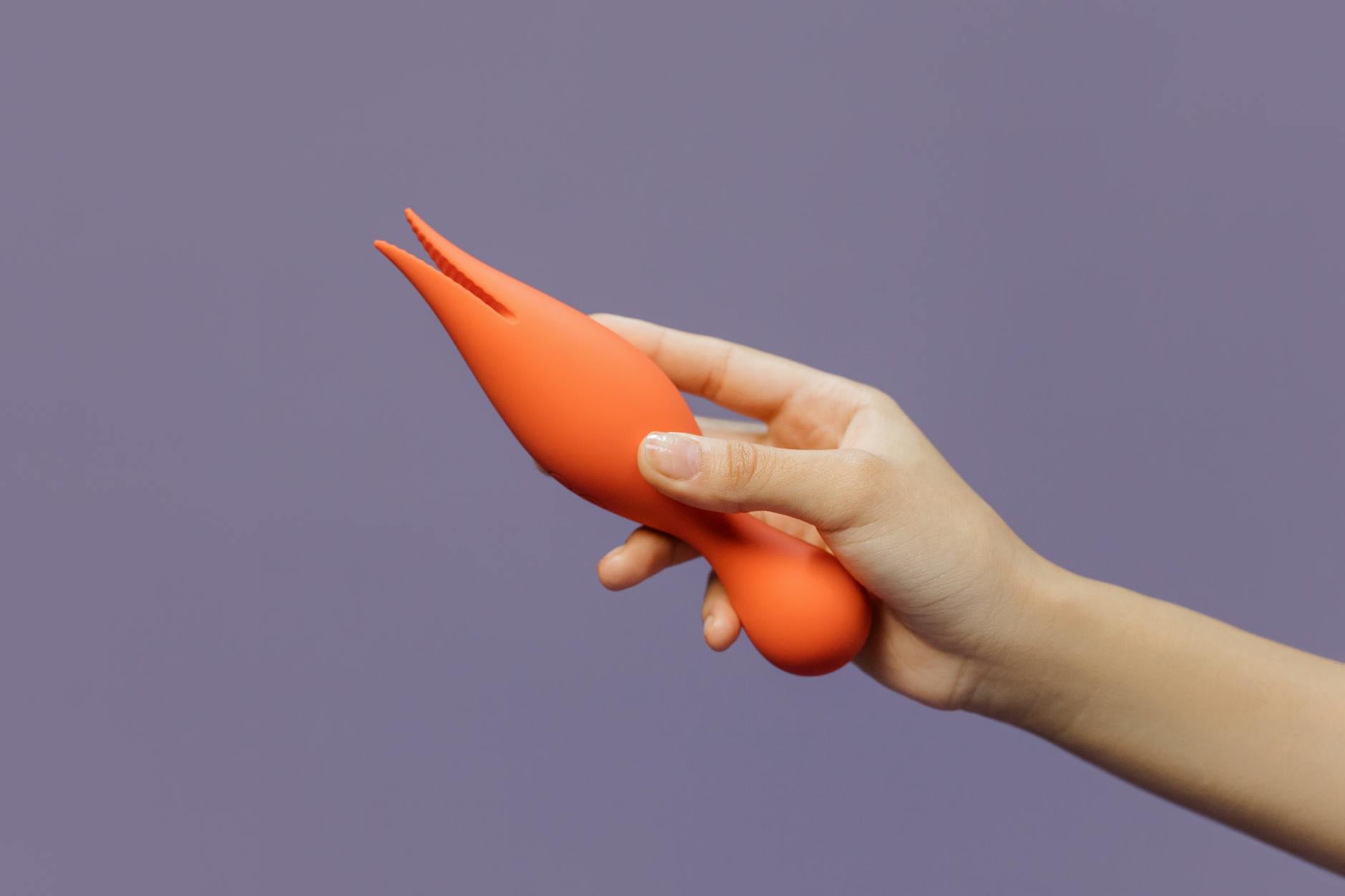
Lemon vibrators, particularly the suction-based design of products like the Lem, work differently than traditional vibration. Instead of direct friction, suction gently stimulates nerve endings. For people healing from pelvic pain, this matters because it's lower-pressure, more controllable, and less likely to trigger the protective tension response.
Here's the sequence that tends to work: Start with external-only stimulation using a lemon vibrator at the lowest setting. Your clitoral tissue has dense nerve endings that are often less affected by pelvic pain conditions than deeper tissue. By retraining sensation at the external level, you're sending your nervous system a message: this touch is safe.
As that comfort builds, you can gradually increase intensity or add duration. Many people find that using lemon vibrators during solo exploration first creates a reliable pathway to pleasure that exists outside of partner dynamics or performance pressure.
The physical setup that makes this work
Three things matter when using lemon sexual toys during pelvic pain recovery. First, time. Budget 20-30 minutes for exploration, not 5 minutes of rushed stimulation. Your nervous system needs time to downregulate from its protective state. This isn't laziness. This is healing.
Second, positioning. If you're recovering from endometriosis or other conditions that make certain positions painful, find one that feels genuinely comfortable. Lying on your back, propped up on pillows, side-lying, or sitting are all valid. The clitoral vibrator works from outside, so positioning is about what's comfortable for you, not what's required for the toy.
Third, lubrication. Pelvic pain conditions often come with reduced lubrication, and the protective tension means your body might not naturally lubricate even if arousal is building. Water-based lube isn't optional here. It's part of the healing process.
What to do when it feels uncomfortable
This is important: discomfort during recovery is normal. Sharp pain is not. If you feel sharp or shooting pain when using a lemon vibrator, stop immediately. This is your body sending a protective signal that something is too intense.
Instead, try these adjustments. Use lower intensity settings, even if they seem almost too gentle. Spend more time at external areas before moving closer to more sensitive spots. Use more lubrication. Reduce session length and do it more frequently instead. Or pause the exploration entirely for a few days, then try again.
If you're working with a pelvic floor physical therapist, mention the vibrator use. Good PTs understand that pleasure and healing aren't separate processes. They can give you specific guidance on what intensity level is appropriate for your current stage of recovery.
Photo by cottonbro studio on Pexels
The nervous system piece that changes everything
Here's what I see happen with clients healing from pelvic pain: the moment they stop waiting for their body to be "fixed" before having pleasure, something shifts. You don't suddenly become pain-free. But you stop being helpless inside the pain. The lemon vibrator becomes evidence that sensation still exists, that pleasure is still possible, that your body isn't completely shut down.
This is neuroplasticity at work. Every time you experience touch in your pelvic area that doesn't hurt, your nervous system updates its threat assessment. It starts to recalibrate what's dangerous. Gradually, the protective tension eases. Lubrication returns more naturally. Arousal builds faster.
None of this happens in a straight line. Recovery from pelvic pain is nonlinear. Some weeks you'll have more sensation than others. Some sessions with your lemon vibrator will feel amazing. Others will feel like nothing. This is completely normal.
How this fits into partnered intimacy
If you're in a relationship, the solo exploration piece is especially important. It teaches you your own body's language outside of performance or pleasing someone else. When you eventually bring a partner back into intimate situations, you know what actually feels good. You're not searching or faking. You're informing.
Many couples find that reintroducing pleasure during pelvic pain recovery goes better when one person has already done the groundwork alone. The partner doesn't have to be the one figuring out what works. The pressure shifts. Sex becomes collaborative investigation instead of a test you might fail.
Starting with external-only stimulation using a lemon clitoral vibrator also removes the complications of penetration while you're still healing. You can have real, satisfying pleasure without triggering pain. Your partner can be involved in ways that feel safe, whether that's through touch, presence, or using the vibrator together.
When to go slower or seek help
If pelvic pain is severe, starting vibrator exploration without pelvic floor PT first might be premature. A good PT can help you understand your specific tension patterns and give you exercises to prepare your nervous system. They can also rule out conditions that need different treatment approaches.
If you've used lemon vibrators consistently for several weeks and nothing feels different, that's information too. It might mean you need a different intensity level, or it might mean you need additional support. Some people benefit from the combination of vibrator use plus pelvic floor physical therapy plus therapy for the emotional layers of pelvic pain. All of these can run in parallel.
Healing from pelvic pain is genuinely possible. You don't have to choose between health and pleasure. A lemon vibrator, used thoughtfully during recovery, is a tool that says: your sensation matters, your pleasure deserves space, and your body is capable of reclaiming joy.
People also ask
Is it safe to use a lemon vibrator when you have pelvic pain?
Yes, when used gently and with intention. Start at the lowest intensity setting, focus on external-only stimulation, and stop immediately if you feel sharp pain (mild discomfort is different from pain signaling danger). If you're working with a pelvic floor physical therapist, mention the vibrator use so they can give you specific guidance for your condition. Suction-based lemon vibrators are often gentler than traditional vibrators because they don't rely on harsh friction.
How long does it take to rebuild sensation after pelvic pain?
It varies widely depending on the condition, how long you've had it, and your individual nervous system. Some people notice shifts in a few weeks. Others take months. The key is consistency without pressure. Using a lemon clitoral vibrator 2-3 times per week is often more effective than pushing yourself harder less frequently. Your nervous system responds better to gentle, repeated messages than to intense or infrequent ones.
Can you have an orgasm while healing from pelvic pain?
Yes, though it might feel different than before. Some people notice that orgasms feel less intense during recovery, or take longer to build. Others find that once they rebuild that pathway using a lemon vibrator, orgasm returns to normal intensity. The important part is releasing the expectation that it should feel the same. Your body is in recovery mode. Everything changes slightly.
Should you use lubrication with a lemon vibrator during pelvic pain recovery?
Absolutely. Water-based lubricant is not a luxury here. It reduces friction, allows the suction to work more effectively, and makes the whole experience feel safer to your nervous system. Pelvic pain often comes with reduced lubrication, so adding it externally is part of the healing practice.
What if your partner wants to use a lemon vibrator with you during recovery?
Talk about it first. Let your partner know what intensity feels safe, what areas are okay to touch, and what the signal is if you need to stop. For many couples, having a partner present but not pressuring you toward orgasm actually helps your nervous system relax more. They can hold space while you explore. This shared vulnerability often deepens connection.
How is a lemon vibrator different from other toys for pelvic pain recovery?
Lemon vibrators use suction instead of pure vibration, which means the stimulation is gentler and more localized. They're also designed for external use, which is where most people start during pelvic pain recovery. They're easier to control at lower intensities, and the sensation tends to feel less abrasive on sensitive tissue.
The real bottom line
Pelvic pain is real. The disconnection it creates is real. So is the possibility of rebuilding sensation, pleasure, and intimacy. Using a lemon vibrator during recovery isn't about pushing through pain or pretending it doesn't exist. It's about moving toward pleasure in small, safe steps. It's about teaching your nervous system that your body is still capable of joy. That takes time. That takes gentleness. And that takes the right tools. If you want to talk through what recovery might look like for your specific situation, we're here to help at Lemnancy.