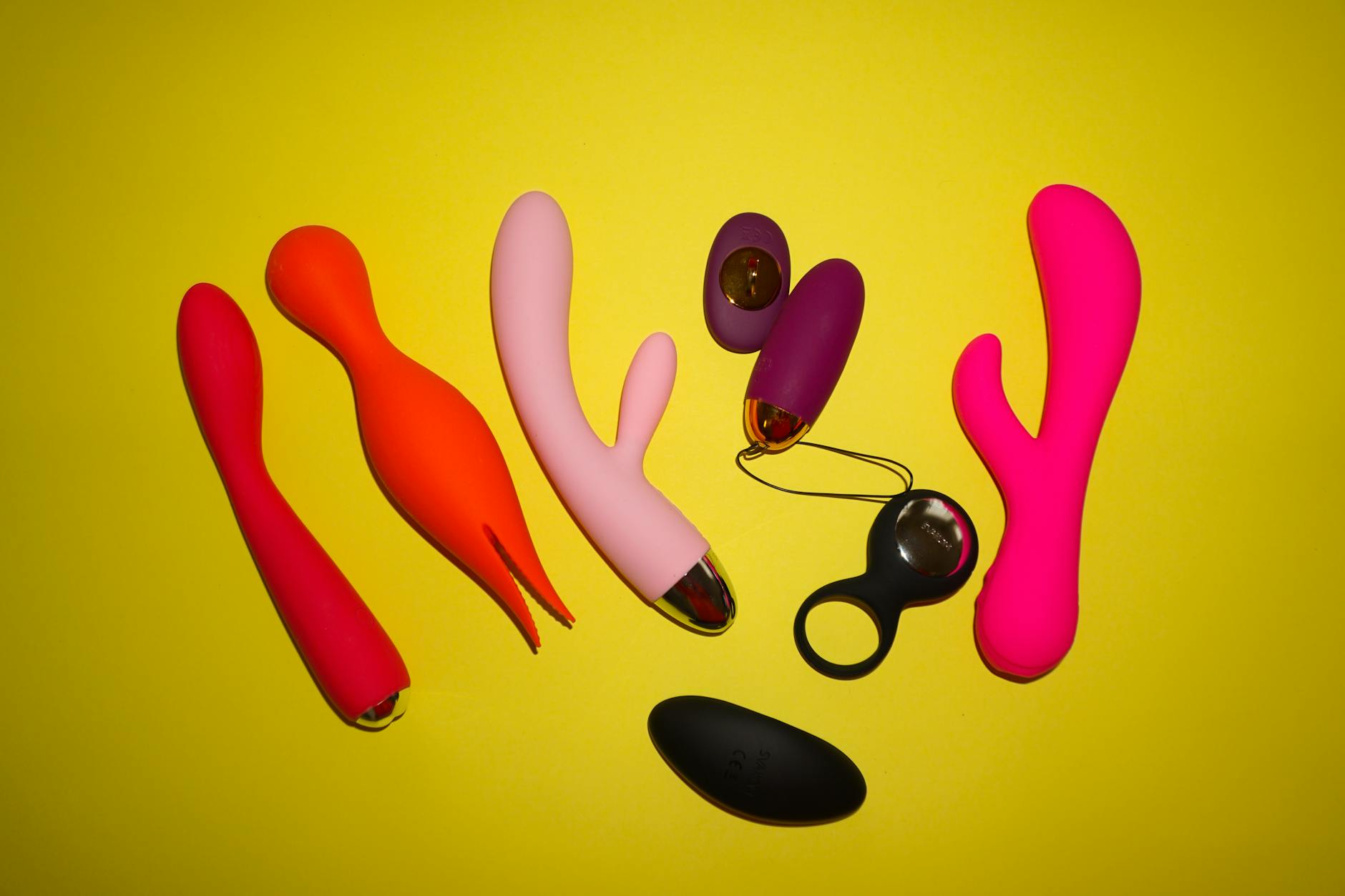
The thing nobody warns you about
You got your IUD inserted, your periods either vanished or became lighter, and hormonal side effects were... manageable. Then somewhere around month three or four, you notice it. Your clitoris feels muted. Arousal takes twice as long to build. That sharp, electric sensation you used to feel? It's more like a dull echo now.
This is not in your head. Hormonal IUDs release a steady low dose of synthetic progesterone directly into your uterus and bloodstream. That progesterone suppresses your natural estrogen production. Less estrogen means thinner clitoral tissue, less blood flow to the vulva during arousal, and a longer lag between stimulus and response. Your pleasure hardware hasn't broken. The voltage just got turned way down.
Here's what that means, and why lemon vibrators (specifically suction-based clitoral vibrators) are often the first tool that actually works.
How hormonal IUDs change clitoral sensitivity
Your clitoris relies on estrogen. The tissue that surrounds the clitoral nerve bundle gets thicker and more sensitive when estrogen is higher. Blood vessels become more responsive. Arousal happens faster. When progesterone dominates, all of that reverses.
It's not that you can't feel anything. It's that you need more stimulation to reach the same level of sensation. A standard vibrator that used to feel perfect now feels like it's vibrating somewhere in the distance. You're chasing the sensation instead of meeting it.
Most lemon clitoral vibrators work through gentle suction combined with pulsation. The suction creates a micro-suction effect that draws blood to the clitoral glans and surrounding tissue. This happens independent of hormone levels. Even with low estrogen, suction activates a different sensory pathway than direct vibration alone.
Why suction works when vibration doesn't
Think of it this way. A standard vibrator works through lateral oscillation. Your IUD has muted the tissue's responsiveness to that lateral motion. Suction works through pressure and micro-rhythmic pulses that engage the entire clitoral structure, not just the surface.
For people on hormonal IUDs, this distinction matters. You're not trying to make numb tissue vibrate harder. You're trying to wake up the nerve endings through a completely different mechanism. Suction does that.
A lemon vibrator like the Lem creates a gentle seal around the clitoral glans and pulses. This draws blood flow into the tissue, creates expanding and releasing sensations, and stimulates nerve bundles that standard vibration may have been missing anyway. Many people report that suction feels more like a slow build than an on-and-off jolt.
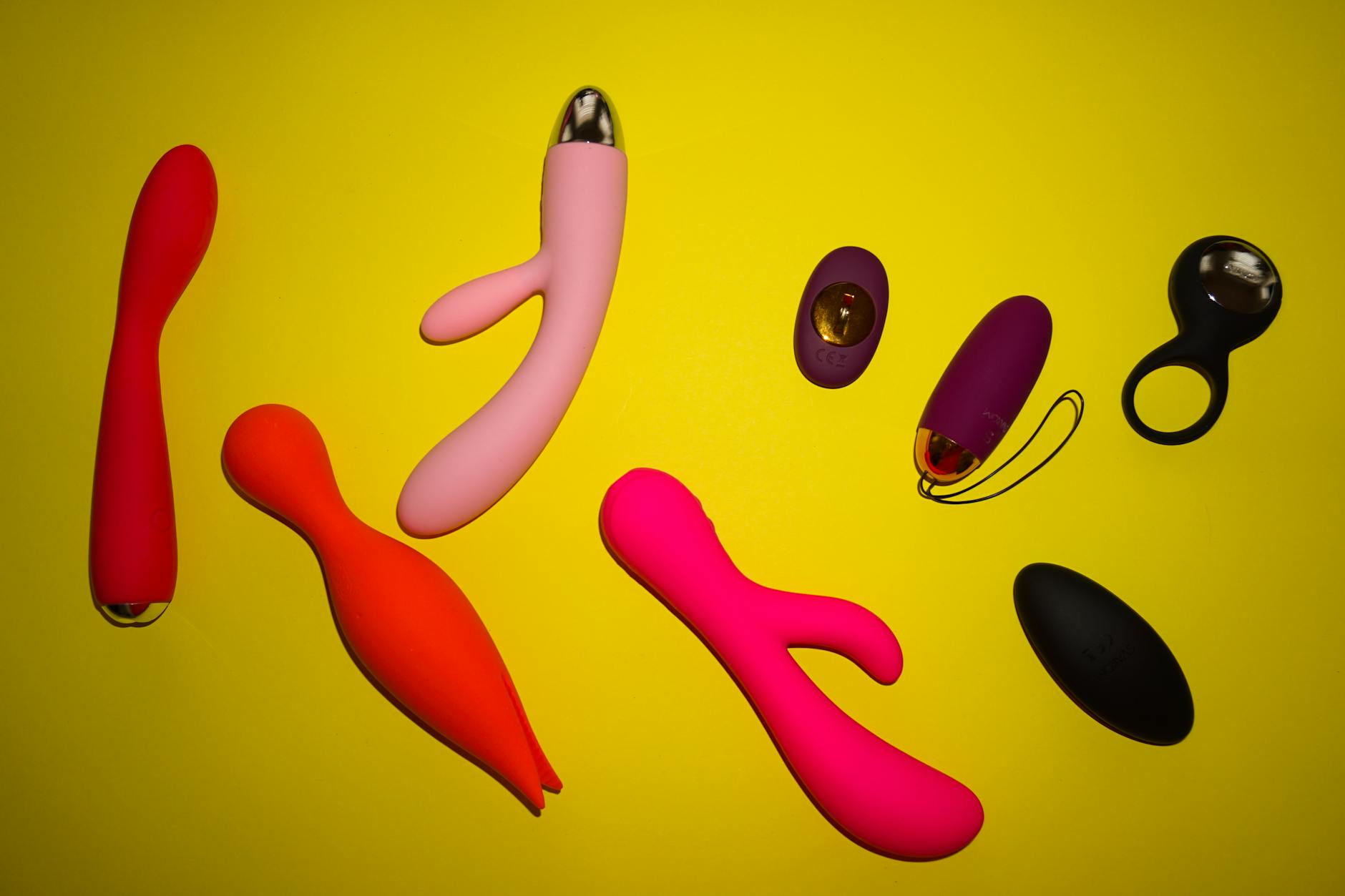
Photo by FounderTips on Pexels
The practical adjustment window
Most people feel the sensation shift within two to three months of IUD insertion. Your body adjusts to the steady hormone dose, and by month four or five, you understand what your new normal is. This is also when a lot of people try to push through with their old tools and get frustrated.
The good news: this is fixable. Your nerves aren't damaged. Your capacity for pleasure hasn't evaporated. You're just working with different hardware settings.
If you've already tried intensifying your current vibrator or adding a second vibrator, and neither worked, suction is the next logical step. It's not a workaround. It's addressing the actual problem.
How to start with a lemon suction vibrator
If you're new to suction toys, the learning curve is gentler than you'd think, but there are real differences from a traditional vibrator.
Start with the lowest setting. Suction can feel intense on tissue that hasn't been properly warmed up. Spend ten to fifteen minutes with manual stimulation or a low-intensity vibrator first. Your body needs time to respond.
Position matters. A suction vibrator needs direct contact with the clitoral glans. That means finding the angle where the seal actually works. It's not always the same as the angle you'd use with a standard vibrator. Experiment.
Lubrication is optional but helpful. Unlike penetrative toys, a tiny bit of water-based lubricant around the edge of the seal can help it feel less intense while you're learning. Once you're comfortable, many people prefer no lube for a stronger sensation.
Expect a different orgasm shape. Suction orgasms often feel like a slow climb followed by a release. They can feel more localized than full-body. This is normal. Your first few times, the sensation might feel unfamiliar rather than immediately amazing. Give it three to five uses before deciding if it works for you.
When to consider hormone dosage adjustment
Here's the thing though: sometimes reduced sensation from a hormonal IUD is actually a sign that the specific device isn't right for you.
Hormonal IUDs come in a few different versions. The Mirena releases the highest dose of progesterone. The Liletta and Kyleena release lower doses. The Skyla releases the absolute lowest. If you're on a Mirena and sensation loss is severe, talking to your gynaecologist about switching to a lower-dose option is worth doing. It's not a failure on your part. It's matching the tool to your body.
That said, many people manage reduced sensation perfectly well with the right toys. A lemon clitoral vibrator can close the gap entirely. You don't have to remove a perfectly functioning IUD just because sensation changed.
The partner conversation
If you're with a partner, desensitization from an IUD often feels personal when it's really just biochemistry. Partners can feel rejected if arousal takes longer or feels less enthusiastic. Here's the truth: you likely need more stimulation now, not less interest.
Introducing a lemon vibrator into partnered sex is a real opportunity. It's not a replacement for them. It's an addition that works with both of your bodies. Lemon suction vibrators in particular feel good during penetrative sex because they don't interfere the way some vibrators do.
Timeline expectations
Most people see improvement within the first three to five uses. Your clitoris isn't broken. It's just responding to different chemistry. Once you find the right tool and technique, sensation often becomes more consistent than it was, not less.
Some people notice that after a few weeks of regular suction use, they start to get more responsive even with their old vibrators again. This might be because suction is retraining your nervous system, or it might just be that you've settled into your new baseline and your body's responding better overall. Either way, the pattern tends to improve.
People also ask
Can a lemon clitoral vibrator replace my hormonal IUD? No. Sensation reduction is a side effect you manage, not a reason to remove a functioning contraceptive. A lemon suction vibrator works with the IUD you have, not instead of it.
Will suction sensitivity eventually come back if I remove the IUD? Yes. Most people report a noticeable return to their pre-IUD sensation level within four to six weeks of removal. Your estrogen naturally rises, tissue thickness returns, and clitoral responsiveness bounces back fairly quickly.
Is numbness from a hormonal IUD permanent? No. It's temporary and tied to hormone levels while the device is in place. The second you remove it, your body starts restoring sensitivity. This is one of the reasons why some people prefer non-hormonal IUDs if sensitivity is important to them.
Can lemon vibrators help with other types of reduced sensation? Absolutely. Any cause of reduced clitoral sensitivity benefits from suction. Antidepressants, hormonal birth control, age-related tissue changes, or pelvic floor tension all respond well to suction stimulation.
How do I know if my IUD sensitivity loss is normal? If it happened between months two and four after insertion and plateaued, it's normal adjustment. If sensation is still dropping months after insertion, or if you're experiencing pain, talk to your doctor. Rarely, an IUD placement affects nerves or causes inflammation. That needs medical attention.
What if suction doesn't help? If suction toys don't improve sensation after five to seven tries, consider talking to your gynaecologist about hormone levels or whether a different IUD might be a better fit. Some people also benefit from topical estrogen cream applied to the vulva, which can help restore tissue thickness without systemic effects.
The bigger picture
Your body adapting to a hormonal IUD is real. Your sensation changing is not a character flaw or a sign that something's broken. It's your body responding to chemistry. And it's completely manageable once you know what you're working with.
A lemon clitoral vibrator isn't a hack or a Band-Aid. It's addressing the actual issue: suction creates the stimulation pathway that your current nervous system needs. You're not overthinking pleasure. You're being smart about it.
Your IUD is doing its job. Your pleasure can do its job too. They're not mutually exclusive.
If you're dealing with reduced sensation and haven't explored suction stimulation yet, this is the place to start. Your clitoris hasn't forgotten how to feel good. You're just finding a new way in.