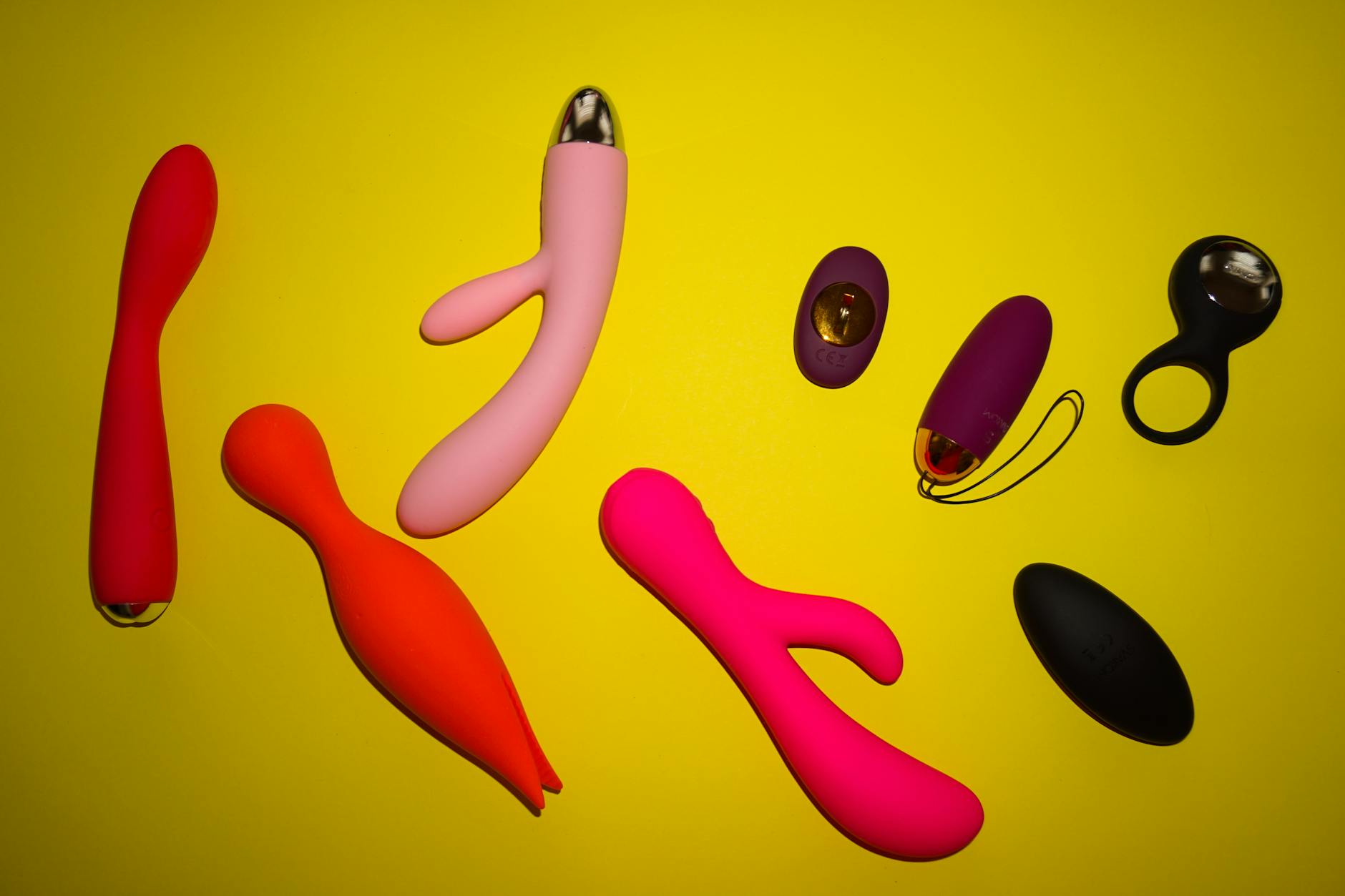
When pleasure goes quiet
Relationship stress doesn't just kill the mood. It rewires your nervous system. Weeks of tension, unresolved conflict, or emotional distance don't just make sex feel less appealing. Your body literally forgets how to respond to stimulation the way it used to. Arousal becomes harder to find. Orgasms feel distant or numb. Touch that once felt electric now feels like an obligation.
Here's what most couples don't realize: rebuilding pleasure after stress isn't about forcing intimacy or waiting for the problem to disappear on its own. It's a skill. And like any skill, it requires a plan.
The neuroscience of desire under stress
When you're in sustained conflict with a partner, your amygdala stays partially activated. That's the part of your brain that handles threat detection. When your nervous system thinks you're in danger (even emotional danger), it deprioritizes pleasure and shuts down the parasympathetic system that makes arousal possible.
This is not weakness. It's your body protecting you. But it also means that just having sex won't automatically reset desire. You have to manually rewire the associations.
The good news: this is reversible. I've watched couples rebuild attraction and pleasure in weeks by following a deliberate sequence. The sequence matters more than anything else.
Step one: repair must come before pleasure
I say this clearly because many people skip it. If there's unresolved conflict, you cannot think your way into arousal. You cannot vibrate your way into it. The nervous system doesn't negotiate with logic.
Before you touch each other sexually, you need to repair the relationship wound. This looks like:
A conversation where both people acknowledge the hurt. Not debate who was right. Just "I understand why you felt betrayed" or "I see that my withdrawal hurt you." This takes 20 minutes. It's uncomfortable. Do it anyway.
A commitment to one specific change. Not a complete overhaul. Pick one thing. "I'll check in before I shut down." "I'll ask what you need instead of assuming." One thing. Make it small enough to actually keep.
A moment of physical reconnection that isn't sexual. Holding hands. Sitting with your foreheads touching. A 30-second hug. This signals to the nervous system that the threat is over and safety has been restored.
Without this sequence, pleasure feels like avoidance. With it, pleasure feels like reconnection.
Step two: your pleasure is not foreplay
Once repair has started, the next mistake couples make is jumping straight to partnered sex. This recreates the pressure cycle that killed desire in the first place.
Instead, spend 1-2 weeks rebuilding your relationship with your own arousal, alone. Solo play isn't a substitute for partnered intimacy. It's rebuilding the electrical wiring.
Use a lemon clitoral vibrator. Why? Because after stress, your body often needs a different sensation than what you've trained it to expect. The gentle suction of a lemon vibrator bypasses the mental noise in a way traditional vibration doesn't. It's novel. It doesn't carry the same emotional weight as partnered touch. And it actually works.
Set a timer for 15-20 minutes. The goal is not orgasm. The goal is to feel arousal build. Notice where sensation lives in your body. Notice what your brain does when it tries to wander toward stress or resentment. When it does, gently redirect it. This is not meditation. This is rewiring.
Do this 3-4 times in a week. Alone. No performance, no audience, no expectation.
Step three: what happens when you introduce touch again
After solo reconnection, most people find that partnered touch feels different. Softer. More present. This is your nervous system signaling that the threat has genuinely decreased.
Start with non-sexual touch. I mean it. Spend time just kissing. Just holding. Just bathing each other in attention without genital touch. This rebuilds the sense that you're safe with this person's hands.
When you do move toward sexual touch, go slower than feels natural. If you used to have sex twice a week, try once every 10 days for a month. If you used to have 45-minute sessions, try 20. The slowness is not a punishment. It's permission for your body to actually feel.
Step four: communication during rebuilding
This is where most couples still fail. They rebuild pleasure silently, hoping the other person somehow knows what they need.
You need three conversations:
Before: What are we both hoping to feel? Not what outcome we want, but what physical sensation, what emotional experience. Vulnerability here changes everything.
During: Simple signals. "More" or "softer" or "stay here" or even just a hand squeeze. Not directions. Just presence.
After: One sentence. "That felt like reconnection" or "I felt safe" or "I want to do that again tomorrow night." Not analysis. Just acknowledgment.
This pattern, repeated across several weeks, rewires the nervous system association with your partner's touch. Touch stops meaning "I owe you" or "I hope this helps." It means "I trust you. We're rebuilding this together."
Why lemon clitoral vibrators help rebuild
A lemon vibrator is useful here for a specific reason: it doesn't carry relationship history. Your hands do. Your partner's hands definitely do. A lemon clitoral vibrator offers a neutral sensation that helps your nervous system practice arousal without the weight of recent conflict.
The sensation is direct and focused. After stress, your nervous system is hypersensitive and also somewhat numb. A gentle suction pattern helps you feel something genuinely pleasurable without overwhelming you.
Use it during solo reconnection. Some couples find it helpful to use it together as a bridge back to partnered pleasure. The key is that it's a tool for rebuilding, not a replacement for the person.
The timeline you should expect
Most relationship damage takes 4-8 weeks to begin reversing with consistent effort. Don't expect desire to roar back in week two. Expect to notice small things: a moment where you feel curious instead of resentful. A touch that doesn't immediately trigger defensiveness. An orgasm that actually feels good instead of obligatory.
You'll know it's working when pleasure stops being a metric of relationship health and starts being just pleasure again.
When to seek help
If you've been following this sequence for six weeks and you still feel completely numb, or if conflict reignites every few days, couples therapy is not a failure. It's evidence you need a second set of hands.
A therapist trained in emotionally focused therapy or the Gottman Method can help you identify the core conflict pattern that killed desire in the first place. Sometimes pleasure doesn't return because the underlying rupture is bigger than willingness can fix.
That's not a reflection on you. It's information.
FAQ
How do I know if we should even try to rebuild, or if we should break up?
The answer is in whether you both want to. Not whether you're sure. Not whether it will work. Just whether you both genuinely want to try. If one person has checked out, no timeline or tool will fix it. If you're both tired but still willing, rebuilding is possible. The desire to try is the only requirement.
Can stress-related desire loss happen if I'm single or in early dating?
Absolutely. Work stress, family crisis, grief, even just the stress of early dating can mute your arousal. The rebuilding sequence works the same way. Repair your relationship with your body. Use tools like a lemon clitoral vibrator to practice sensation. Slowly reintroduce partnered touch when you feel ready. Your nervous system doesn't distinguish between relationship stress and general stress.
How long before we can have "normal" sex again?
Depends on what caused the stress and how long it lasted. Minor conflict that lasted weeks? Maybe 6-8 weeks of deliberate rebuilding. Major betrayal or months of disconnect? 3-4 months. The timeline matters less than consistency. One great session after six weeks of nothing won't reset your nervous system. But 15 mindful, unhurried sessions over six weeks will.
Is it okay to use a vibrator if my partner feels insecure about it?
This is a conversation, not a decision you make alone. That said, a lemon vibrator isn't a threat to partnership. It's a tool for rebuilding your nervous system's capacity for pleasure. Framing it as "I need this to feel good again, and that will help us both" is different than "I need this instead of you." If your partner still has concerns after that conversation, couples therapy can help you both understand what's actually beneath the insecurity.
What if I rebuild pleasure with myself but I still don't want my partner?
This is important information. Sometimes desire dies because the relationship is wrong, not because your nervous system is stuck. If you can feel arousal alone but not with your partner, that's telling you something specific. It might mean the relationship needs repair at a deeper level. It might mean incompatibility. It's not failure. It's clarity.
Can relationship stress actually cause permanent damage to arousal?
No. The nervous system is plastic. It can rewire. What feels permanent right now isn't. But rewiring takes consistency and time. If you're rebuilding alone and with a supportive partner, you will feel arousal return. The timeline varies, but the trajectory is predictable.
The path forward
Pleasure doesn't return on its own after relationship stress. But it does return when you follow a deliberate path: repair the relationship wound, rebuild your arousal alone, reintroduce touch slowly, and communicate throughout. Your nervous system isn't broken. It's protecting you. Your job is to show it that it's safe again.
If you'd like to explore relationship repair more deeply or need guidance on rebuilding intimacy with your partner, reach out to Hello Nancy. We're here to help.