How to Use a Lemon Vibrator When You Have a High Sex Drive and Your Partner Doesn't
Mismatched desire is one of the most common (and most fixable) relationship friction points. Here's how a lemon clitoral vibrator becomes part of the solution, not the problem.
You want sex more often than your partner does. Maybe it's twice a week versus twice a month. Maybe it's the difference between wanting it tomorrow and waiting two weeks. The gap itself doesn't matter as much as how it's making you feel. Rejected. Resentful. Unseen.
Here's what most couples get wrong: they treat a desire mismatch as a problem with one person's body or one person's feelings. It's not. It's a logistics problem with an emotional layer. And that's actually solvable.
Most people blame hormones or attraction. Sometimes that's real. More often, the gap comes from exhaustion, stress timing, mental load, or just different natural rhythms colliding with the same calendar. Your partner might have a totally healthy libido. It just doesn't sync with yours.
When you're the higher-desire partner, you already know the weight of that. You initiate more. You get rejected more. You start assuming rejection means something about you. It doesn't. It usually means your partner's brain is somewhere else entirely.
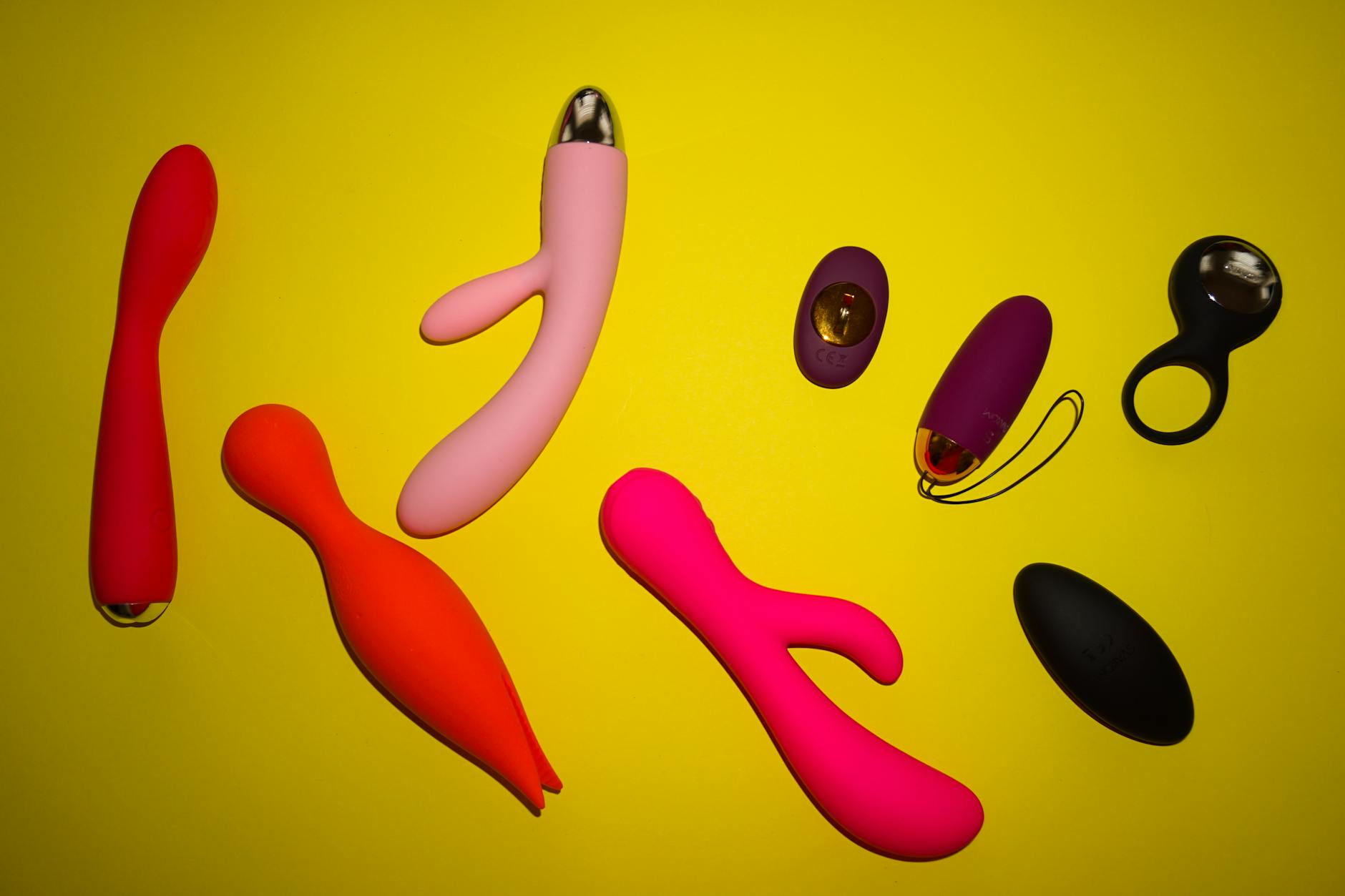
A lemon clitoral vibrator changes the equation because it separates your pleasure from the negotiation. You're not asking your partner for something they're not in the mood to give. You're taking care of yourself, which is actually what kills a lot of the resentment that builds up over time.
Before you bring a lemon vibrator into the picture, you need one actual conversation. Not during sex. Not during conflict. Calm, daytime, you've both eaten and slept.
The goal is to move from "Why don't you want me?" to "Our desires don't line up right now, and here's how we're going to work with that." Those are completely different conversations. The first one blames. The second one problem-solves.
Tell your partner: I need more sex than you do. That's not a reflection on you or how I feel about you. It's just my body. I want us to figure this out together instead of me feeling rejected and you feeling pressured. Using a lemon vibrator isn't about replacing you. It's about me taking care of a need so we can stay connected without resentment building.
That sentence, roughly, buys you permission and safety. Use something close to it.
First, it gives you agency. When your desire goes unmet, you're handing all the power to your partner's mood and schedule. A lemon clitoral vibrator puts you back in control. You're not waiting. You're not negotiating. You're handling it. That alone reduces resentment by about 70 percent.
Second, it takes pressure off your partner. Counterintuitively, knowing you have another outlet makes your partner feel less guilty and less pressured. Pressure kills arousal. Remove the pressure, and sometimes your partner actually wants you more, not less. Not always. But often enough that it's worth knowing.
Third, it keeps you connected to your own pleasure. When you're constantly rejected or negotiating sex, you can start dissociating from what feels good to you and obsessing over what your partner thinks. A lemon vibrator keeps you tethered to the fact that your body deserves pleasure independent of anyone else's schedule. That clarity is its own kind of intimacy.
Here's the thing I tell people: you can use a lemon vibrator alone and feel isolated, or you can frame it as part of your sex life with your partner. The difference is communication.
Some couples find it works to have the conversation and then never mention it again. Partner knows you're using it, and that's enough. Other couples integrate it into partnered sex. Your partner might not want penetrative sex today, but they're happy to be in the room while you use your lemon vibrator. Or they help you find your rhythm while doing their own thing.
There's no "right" way. But naming it out loud beats hiding it. If you're using your clitoral vibrator in secret and your partner feels like something's off, the distance grows. If you're open about it, the distance shrinks. That's basic relationship math.
If you're using a lemon clitoral vibrator to satisfy a higher sex drive, you might find yourself reaching for stronger patterns than solo users do. That's normal. You're not numb. You just know what works for your body.
Start with the lower settings anyway. Your nervous system might feel tense if there's underlying resentment or pressure still present. Once that clears, your body usually opens up. But if you've tried the lower patterns and you're genuinely not feeling much, move up to finding the right intensity level for your body.
Some high-desire partners find that mixing solo sessions with partnered time works best. Tuesday alone with your lemon vibrator. Thursday together, even if it looks different than you'd originally hoped. Friday might be nothing. The rhythm matters more than the frequency.
Lots of people assume a clitoral vibrator should always be a couples thing. It doesn't have to be. Some of your sessions might be pure solo. Others might include your partner. Both are valid.
If you do bring your lemon vibrator into partnered sex, the key is removing any sense of failure or substitution. This isn't "because you won't do it." It's "because this is what I need right now." Language matters. "I want to use my lemon vibrator while you're inside me" is different from "you're not enough." One is collaborative. The other is accusatory.
Some high-desire partners find that using a lemon clitoral vibrator during penetration actually brings them and their partner closer because everyone's getting what they need. Not every session. But sometimes.
Here's the part nobody tells you: a lemon vibrator is a tool for your body, but the real fix is emotional. You have to believe that your pleasure matters even if your partner doesn't feel like having sex. You have to stop interpreting their lower libido as rejection of you.
That's hard. It takes time. It might require a therapist.
But once you get there, something shifts. You stop managing your partner's mood or your partner's schedule. You stop storing up resentment. You start being able to enjoy sex with your partner when it happens, because you're not drowning in the feeling that it never happens.
A lemon vibrator is part of that puzzle. Not the whole thing. The whole thing is you deciding that your pleasure is your responsibility, not your partner's job.
Once you've been using a lemon clitoral vibrator for a few weeks or months, check in with your partner again. Not accusatory. Not during sex. Just: Is this working for you? Are you feeling less pressure? Are we closer or farther apart?
Sometimes the answer is both. You're closer emotionally because the resentment lifted, but the actual frequency of partnered sex stayed the same. That's still a win. Sometimes your partner's libido actually increases because the guilt and pressure evaporated. Sometimes it doesn't change, and you've just made peace with it.
All of those outcomes are fine. The goal isn't to turn your partner into someone they're not. It's to stop drowning in the gap between what you want and what's available. A lemon vibrator helps with that. Honest communication does the rest.
Not if you frame it as a solution, not a complaint. If your partner is already feeling pressure about the libido mismatch, they might interpret it that way at first. That's why the conversation matters. "I want to use a clitoral vibrator because I need more sexual release than you're able to give, and I don't want that to create distance between us" is different from never mentioning it and letting them find out. One is collaborative. The other feels like a secret.
Yes, but address the weirdness first. Most partners find it weird because they haven't seen one, don't understand what it does, or assume it means something's wrong with the relationship. Show them how a lemon clitoral vibrator works. Explain that this is about you taking care of your own pleasure, not a commentary on them. If they still think it's weird, you might have a deeper conversation about control or boundaries that's separate from the vibrator itself.
No. Some of the healthiest couples I work with use clitoral vibrators regularly, both alone and together. Sexual self-care isn't a sign of a failing relationship. It's a sign of a realistic one. Two people with different natural libidos need different strategies. That's not failure. That's adaptation.
As often as you want. There's no limit. Some high-desire partners use a lemon clitoral vibrator multiple times a week solo, plus partnered sex when their partner's up for it. Others use it a few times a month to take the edge off. Listen to your body, not some arbitrary rule about how much is "too much."
Maybe, at first. That feeling usually comes from insecurity, not from anything real. A clitoral vibrator can't cuddle you. Can't talk to you. Can't build a life with you. It's a tool for physical sensation. Once your partner understands that, the worry usually fades. And honestly, if your partner would rather you suffer sexual frustration than use a tool that helps you, that's a separate relationship problem worth addressing.
Yes. Not by itself. But by removing the constant negotiation and rejection cycle, it buys you space to remember why you're with your partner in the first place. Resentment thrives in scarcity and pressure. Remove both, and the relationship usually improves.
Mismatched desire sucks. The rejection sting is real. The resentment that builds is real. But this is one of the few relationship problems that actually has a straightforward fix. A lemon vibrator isn't about giving up on sex with your partner. It's about not abandoning yourself while you wait for your partner's desire to show up. That's what changes everything.