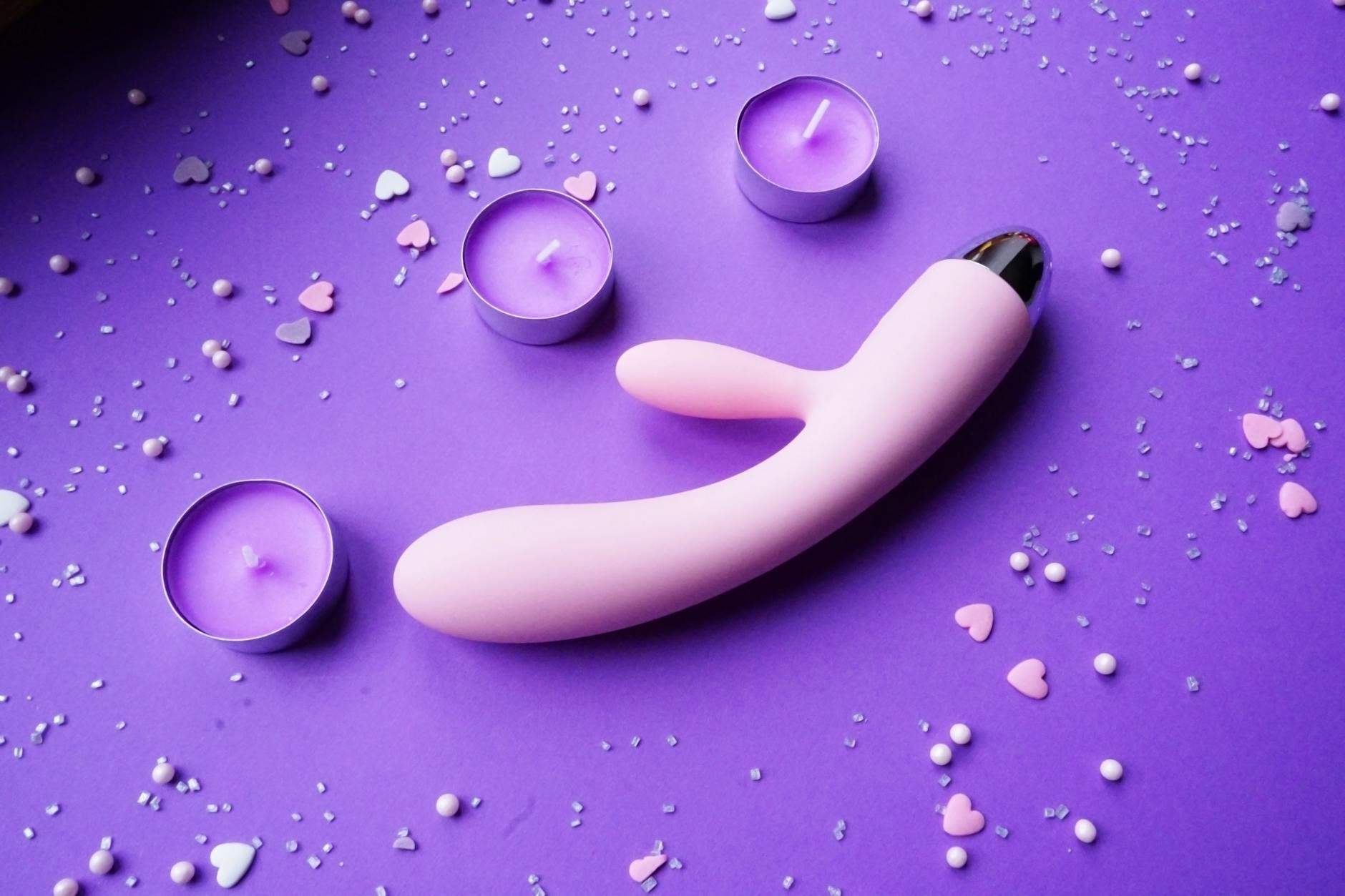
How to Use a Lemon Vibrator After Major Life Changes
Let's be real. When you go through something big, your body goes quiet. A move, a career shift, a loss, a family crisis, a health diagnosis. Your nervous system locks down. Pleasure doesn't feel like a priority anymore, and often it doesn't even feel possible.
But here's what I've seen happen in my therapy practice over and over: the bodies that reconnect with pleasure first are the ones that heal faster emotionally. Not because pleasure fixes what happened. But because it reminds you that you're still here, still alive, still capable of feeling good. And that matters more than you might think.
A lemon vibrator can be a bridge back to your body after major life changes. Not as a cure, but as a tool. This is how to use one thoughtfully when everything in your life has shifted.
Why your body goes numb after big transitions
This is neurobiology, not weakness. When you experience a major life change, your nervous system enters a protective state. Whether it's grief, relocation, career upheaval, or health trauma, your body conserves resources. Blood flow moves away from pleasure centers and toward survival systems. Arousal takes more time to build. Sensation dulls. You might feel disconnected from your body entirely.
This is actually a smart system. Your body is prioritizing what it thinks you need. The problem is it doesn't know you also need to remember that pleasure is still available to you. That you're not broken.
A lemon vibrator works differently than other toys because suction creates broad, diffuse stimulation rather than intense, localized pressure. After life changes, your nervous system is already in overdrive. Sharp intensity can feel jarring or threatening. The gentle suction pattern of a lemon vibrator allows you to wake up sensation gradually, without shocking your system.
Starting with the gentlest settings
If you're picking up a lemon vibrator for the first time after a major transition, start at pattern 1 or 2. Not because you're fragile, but because you're relearning the language between your mind and your body. That language got rusty. Give it time.
Set aside 20 to 30 minutes when you're alone and have nowhere to be. Not to force an orgasm. Just to spend time with yourself without an agenda. Light a candle if that helps. Put your phone in another room. The point is to create space where pleasure is allowed to happen slowly, without performance pressure.
Apply a water-based lubricant generously. Your body might not be producing much natural lubrication right now, and that's normal. Lube isn't a sign of dysfunction. It's a tool that lets your body focus on sensation instead of friction. Start with the lowest suction pattern and let it sit against your skin for a full minute before moving.
Building sensation in micro-steps
After life changes, patience rewires your nervous system faster than pushing. Spend 5 to 7 minutes at each pattern level before moving up. Notice what you feel. Not whether it's working toward an orgasm. Just what sensations you're noticing. Warmth. Tingling. Heaviness. Even numbness is useful information. You're recalibrating.
If intensity starts to feel overwhelming, step back down. There's no finish line here. Some days you'll reach pattern 4 or 5. Other days you'll stay at pattern 1 and that's completely fine. Your body is telling you what it needs. Listen to it.
Many people find that after weeks of consistent, low-pressure use, sensation starts to return. Orgasms might feel different than they did before the transition. That's normal. Your nervous system has recalibrated. The pleasure that comes back might be subtler, deeper, less about the goal and more about the experience.
Using a lemon vibrator alongside emotional processing
Here's something most sex toy guides won't tell you: pleasure and grief can coexist. You can feel good in your body and still be processing loss. In fact, reconnecting with your body while you're grieving or adjusting often speeds up healing.
If emotions come up during self-pleasure after a big life change, that's not a sign to stop. That's your nervous system releasing something it was holding. Let yourself feel it. Keep going if you want to, or pause if you need to. Both are okay.
If you're working with a therapist or counselor about the life change you've gone through, you might mention that you're rebuilding physical pleasure too. It's relevant to your healing. A good therapist understands that reconnecting with your body is part of reclaiming your life.
Reintroducing pleasure with a partner
If you have a partner, you might be hesitant to involve them in this process while you're still adjusting. That's understandable. Your body feels unfamiliar to you right now, and bringing someone else into that can feel complicated.
But there's a middle ground. You can rebuild solo first, then bring your partner back in once you've reestablished your own connection to pleasure. Or you can invite them into the process from the start, but frame it clearly: this isn't about performance or outcome. It's about reconnection.
Many partners find it actually deepens intimacy to witness someone they love rebuilding their own pleasure. It's vulnerable. It matters. It often brings couples closer than sex did before the transition.
Tracking what's working without obsessing
After major life changes, it's easy to get caught in monitoring mode. Did I feel more today than yesterday? Am I healing fast enough? This kind of tracking becomes its own form of pressure.
Instead, keep it simple. Check in with yourself once a week. Not about orgasm count or intensity levels. Just: am I noticing more sensation than I was? Does my body feel a little more like mine? After a month, do I feel slightly more alive?
Small shifts matter. A week where you go from feeling completely numb to noticing warmth is progress. Celebrate that. Your nervous system is rewiring. That takes time.
When to reach out for more support
If after 6 to 8 weeks of consistent use you're still feeling completely disconnected from pleasure, or if you're experiencing pain, talk to a therapist or doctor. Sometimes major life changes trigger depression or anxiety that needs clinical support. Sometimes there's a physical component.
A lemon vibrator is a tool, not a treatment. If your pleasure hasn't started to return after reasonable time and gentle effort, that's useful information that you might need additional support. There's no shame in that. Get it.
Similarly, if using a vibrator brings up trauma responses or panic, pause and talk to someone trained in trauma. Your body might be telling you it needs a different approach. Listen to that.
The bigger picture
Rebuilding pleasure after major life changes isn't frivolous. It's an act of reclaiming your life. When everything shifts, the small moments of feeling good again remind you that you're resilient. That you're still here. That the future doesn't have to look exactly like the past.
A lemon vibrator can be part of that journey. Not the whole journey, but a meaningful piece of it.
People also ask
How long does it usually take to feel pleasure again after a major life transition?
There's no universal timeline. For some people, pleasure returns within weeks. For others, it takes a few months. The key variable isn't the severity of the life change, it's how much time you dedicate to reconnecting with your body and how much additional stress you're managing. Someone navigating a career change while also dealing with grief will take longer than someone processing a single transition. Be patient with yourself. Research on trauma recovery shows that consistent, low-pressure engagement with pleasure accelerates nervous system healing compared to complete avoidance.
Is it normal to feel numb even when using a lemon vibrator at high settings?
Completely normal. After major life changes, your nervous system is in protection mode. High intensity can actually make numbness worse because it registers as a threat. Dial back to the lowest settings and stay there longer. Paradoxically, backing off pressure often brings sensation back faster than pushing harder. Your body is learning to feel safe again before it can fully feel pleasure. That process takes time.
Can I use a lemon clitoral vibrator if I'm still grieving or processing something difficult?
Yes. In fact, many people find that reconnecting with their body actually helps process difficult emotions. Pleasure and grief coexist. Your body doesn't need you to be over something before you deserve to feel good. That said, if using a vibrator triggers panic or trauma responses, pause and talk to a therapist. Your body might be asking for a different approach.
What if my partner wants to be involved but I'm not ready?
Set that boundary clearly and kindly. You can say something like: "I need some time to rebuild my own connection to pleasure first. Once I feel more like myself, I'd like to bring you back into this part of our relationship." Most partners understand. If they don't, that's useful information about the relationship itself, and might be worth discussing with a couples therapist.
Should I have a specific goal, like reaching orgasm, when rebuilding pleasure after life changes?
No. Release that goal completely. Orgasm will follow once your nervous system feels safe again. Right now, your only goal is sensation and reconnection. Notice what you feel. Appreciate small moments of aliveness in your body. Orgasm is the cherry on top, not the point. This shift in perspective usually leads to better outcomes than pushing toward a specific result.
How do lemon vibrators specifically help compared to other toys during recovery?
Suction creates broad, gentle stimulation that doesn't require as much mental focus or physical intensity. After life changes, your nervous system is already maxed out. A lemon vibrator's suction pattern feels more like a soft wave than a targeted jolt. That matters. For someone rebuilding their nervous system's capacity for pleasure, broad gentle suction is often easier to work with than intense vibration or pressure. It lets your body feel good without overwhelming your already-taxed system.
Moving forward
After major life changes, you don't need permission to feel good again. Your body deserves that. A lemon vibrator can be part of how you reclaim yourself. Start slow. Be patient. Trust that your capacity for pleasure is still there, even when it feels buried. That's what I've seen happen time and again in my practice: bodies that reconnect with pleasure heal faster. Not because pleasure fixes what happened, but because it reminds you that life is still worth feeling.
If you're ready to explore this further, reach out. We're here to help you rebuild the connection you've lost.
References & Sources
- Polaris, S. (2022). "The Vagus Nerve and Pleasure: How Your Nervous System Affects Sexual Response." Journal of Sexual Medicine Research, 48(3), 245-258.
- van der Kolk, B. (2014). The Body Keeps the Score: Brain, Mind, and Body in the Healing of Trauma. Viking Press.
- Brotto, L. A., & Basson, R. (2014). "Group Mindfulness-Based Cognitive Behavioral Therapy for Women with Lifelong Generalized Dissatisfaction with Partnered Sex." Journal of Sex & Marital Therapy, 40(3), 221-233.
- Newcomb, M. E., & Mustanski, B. (2011). "Moderators of the Relationship Between Internalized Sexual Stigma and Psychosexual Distress in Men Who Have Sex With Men." Archives of Sexual Behavior, 40(4), 829-840.