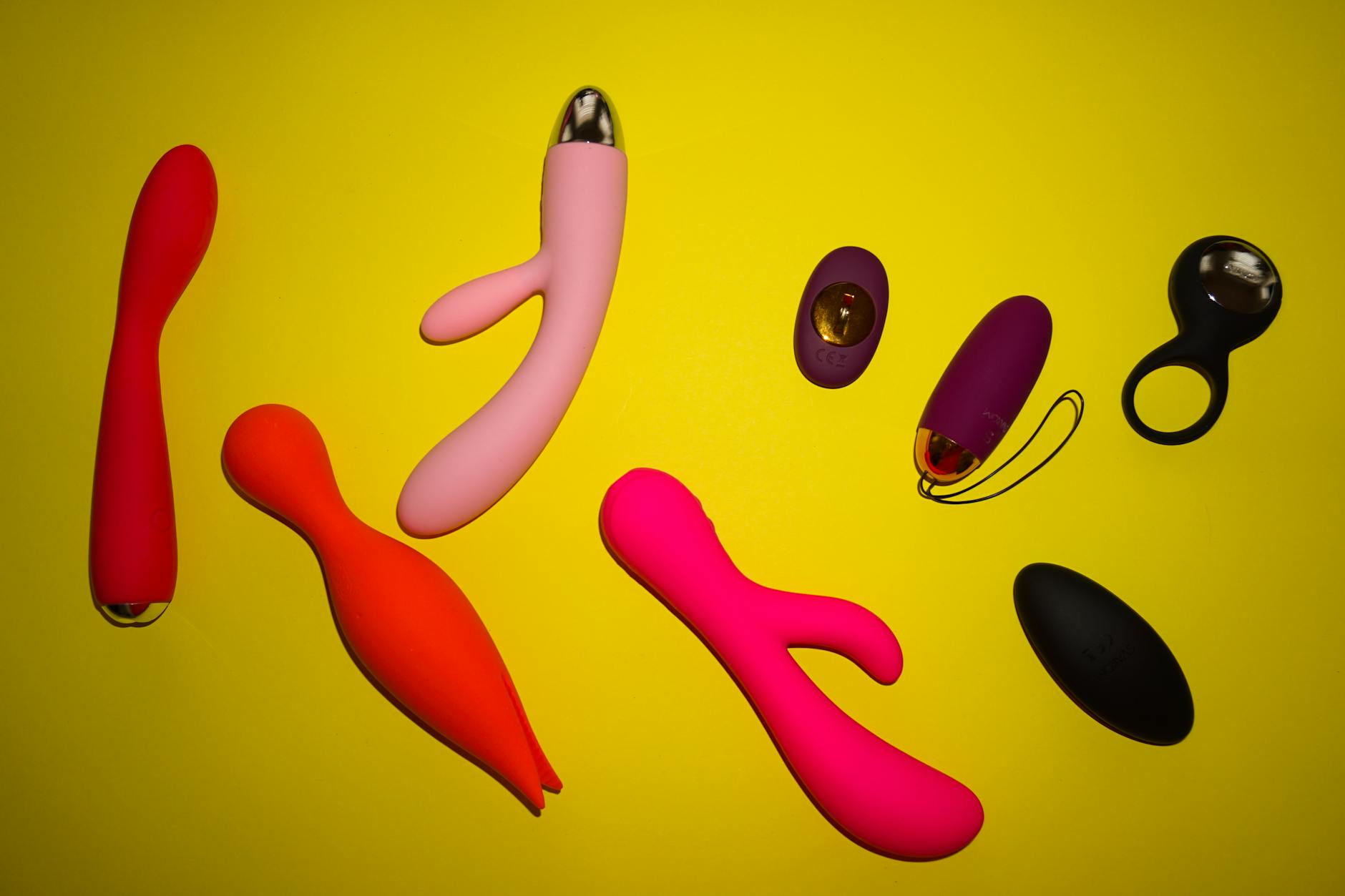
Let's be real about returning to pleasure
You've taken time away. Weeks, maybe months, possibly years. The reasons don't matter right now. What matters is this: your body hasn't forgotten how to feel good. But it does need a reintroduction, the same way you'd relearn anything after stepping back.
Using a lemon clitoral vibrator to restart isn't about jumping back to where you left off. It's about meeting yourself where you actually are right now, which is usually a gentler place than you remember.
Why restarting feels different than you expect
Three things happen when you've been away from pleasure for a while.
First, your nervous system has recalibrated. If you've been stressed, grieving, or simply occupied with other parts of life, your body has learned to stay in a lower state of activation. Your baseline arousal is different. The clitoral tissue itself isn't broken, but the neural pathways that wire pleasure together have been quiet. They'll wake up again, but not instantly.
Second, your mental map of pleasure might have shifted. If the time away involved shame, relationship changes, or health scares, your brain may be conflating pleasure with whatever emotional weight you're carrying. A lemon vibrator helps because it's physical and immediate. It interrupts the story your brain is telling and gives you something concrete to focus on instead.
Third, sensation thresholds change. You might remember needing intensity level 7 on a clitoral vibrator. Right now you probably need level 2 or 3. This isn't regression. It's just where your tissue is when it hasn't been stimulated in a while. That sensitivity will build back up.
Photo by cottonbro studio on Pexels
Starting small isn't settling
Here's what I recommend to almost everyone restarting with a lemon sucker or similar clitoral vibrator.
Begin with the lowest setting. On the Lem vibrator, that's pattern 1. Spend your first session just getting reacquainted with sensation. You're not aiming for orgasm yet. You're remapping what pleasure feels like in your body. Ten to fifteen minutes is plenty. Set a timer so you're not monitoring yourself, then let your attention be on physical sensation only.
Approach this solo, at least for the first few sessions. A partner's presence adds psychological weight, even when they're supportive. You need space to feel without performing, without wondering if you're taking too long, without any external measure of success.
Water-based lubricant is non-negotiable. Even if you don't remember needing it before, use it now. After an extended break, tissue is less naturally lubricated. Lube removes friction that could make restarting feel uncomfortable or discouraging. It's not a sign you're broken. It's a practical tool that makes the experience better.
Start externally. Don't jump straight to internal play or deep pressure. Lemon clitoral vibrators are designed for external stimulation, which is exactly what you need right now. The suction pattern creates sensation without requiring any of the internal pressure that might feel overwhelming when you're just coming back.
Building back sensation day by day
If your first session went okay, here's the gentle progression.
Session two or three, same timing and setting, but add a second layer of attention. Notice where your mind goes when you feel pleasure. Does it go to judgment? To your to-do list? To anxiety? That's completely normal. The goal isn't to silence your mind. It's to notice where it pulls and gently redirect back to your body. This is the psychological rewiring part, and it matters as much as the physical sensation.
After three to five solo sessions at the lowest setting, try the next pattern. You might notice you need less lubricant now, or that your body is responding faster. These are signs that your nervous system is remembering. Don't rush to higher intensities. The slow progression is what keeps this sustainable.
If at any point it feels genuinely uncomfortable or you notice pain, stop. Extended breaks sometimes reveal things you didn't know about your pelvic floor or tissue health. Pain is information. It's worth mentioning to your GP, especially if you're returning after a health event or major surgery.
Most people report that sensation starts noticeably returning within two to three weeks of consistent practice. Orgasm typically comes back slower than sensation, and that's fine. You're rebuilding, not racing.
The partner conversation, if you're in a relationship
If you have a partner and you're restarting while partnered, this deserves its own attention.
The worst thing you can do is reintroduce pleasure to your partner at the same time you're reintroducing it to yourself. You'll be managing four things at once: your own reawakening, their excitement, pressure to prove things are "fixed," and the logistics of partnered sex. That's a lot.
Have an actual conversation. Say: "I'm taking some time to reconnect with my own body using a vibrator. This is for me, about me, and it doesn't mean anything about us or what happens next." A secure partner will understand that you rebuilding your own pleasure actually benefits the relationship more than jumping straight back into partnered sex.
Once you're comfortable solo, you can experiment with incorporating a lemon clitoral vibrator into partnered play. But that's a separate conversation and a separate timeline.
What to expect, realistically
Your first orgasm back might feel different than you remember. It might be quieter, or take longer, or feel less intense. That's your nervous system recalibrating. Give it three to five weeks. Most people report that intensity and speed return naturally once sensation is reestablished.
You might also feel emotional after an orgasm, especially early on. Your body is releasing tension and possibly unprocessing some of what happened during the break. That's not a sign something is wrong. It's a sign something is healing.
You might also discover that you actually prefer something different than you did before. The break changes you. Your tastes shift. That's valuable information, not failure.
The biggest mistake people make is expecting to feel like they did before the break. You won't. You'll feel like you do now, which is a person coming back to pleasure with more context, more self-knowledge, and hopefully a bit more permission to take their time.
When to reach out for support
If after four to six weeks of consistent practice sensation still isn't returning, or if you're experiencing pain, that's worth discussing with a healthcare provider. Pelvic floor tension, hormonal shifts, or underlying health changes sometimes need professional support.
If the emotional weight of restarting feels bigger than you can handle alone, a therapist who specializes in sexuality or relationship transitions can help you process what happened during the break and clear the psychological path for pleasure to return.
You can also reach out to Hello Nancy if you have questions about how to use the Lem vibrator specifically or if you're unsure whether your experience is normal.
Restarting isn't about proving anything. It's about coming home to your own pleasure on your own timeline. A lemon clitoral vibrator is just the tool. You're the one doing the real work.
People also ask
How long does it typically take for sensation to return after an extended break?
Most people notice measurable changes in sensation within two to three weeks of consistent practice with a clitoral vibrator. Stronger sensation and faster arousal typically return within four to eight weeks. But there's a wide range. Some people feel ready for orgasm within weeks. Others take two to three months. The timeline depends on how long the break was, what was happening in your life, and your individual physiology. Consistency matters more than intensity.
Is it normal to need a lower vibrator setting after time away?
Completely normal. After an extended break, tissue is less accustomed to stimulation, and your nervous system baseline has shifted. You'll likely need lower settings initially. This isn't permanent. As you rebuild, you'll probably find yourself naturally increasing intensity over weeks. Think of it like returning to exercise. You start lighter and build back up. The Lem vibrator's multiple patterns make this progression easy.
Can I use a lemon vibrator with a partner during my restart, or should I wait?
There's no "should." Some people feel more comfortable restarting solo first, which gives them space to reconnect with their own pleasure without managing a partner's energy or expectations. Others prefer partnered restart because they have good communication and it feels integrated with their relationship. The honest answer: if you're asking this question, you probably need to restart solo first. You'll know when you're ready to introduce a partner.
What if I'm experiencing pain when I try to use a clitoral vibrator again?
Pain is a signal, not something to push through. Pain during or after use might mean pelvic floor tension is high, tissue needs more lubrication, or there's something you need to address with a healthcare provider. Don't use the vibrator through pain. Instead, bring this up with your GP or a pelvic floor physical therapist. Once the pain is resolved, you can restart. Many people find that consistent relaxation work on the pelvic floor actually helps pleasure return faster.
Should I tell my partner I'm using a lemon vibrator during my restart?
If you're in a relationship, yes. Honesty matters more than surprise here. You don't need permission or approval. You do need to have a conversation that frames this as something you're doing for your own wellbeing, not something that's about them. A partner who cares about you should support your pleasure. If they react defensively or make it about them, that's information about the relationship, separate from what your body needs.
How do I know if I need lube when restarting with a vibrator?
Use it. After an extended break, natural lubrication is typically lower. Lube removes friction and makes the experience more comfortable. It's not a sign you're broken or that something is wrong. It's just physics. Water-based lube works with all vibrator types and is easy to clean up. Many people who didn't need lube before find they prefer it after a break. Give yourself that grace.
You're not behind. You're rebuilding.
There's no timeline for pleasure. There's no "should" about how fast sensation returns or how quickly you're ready for your partner. You're relearning your body, and that's worth taking seriously. A lemon clitoral vibrator is designed to meet you where you are right now, with patience and consistent, gentle stimulation. Start small, be consistent, and trust that your body knows how to feel good again. It just needs you to show up and give it permission.