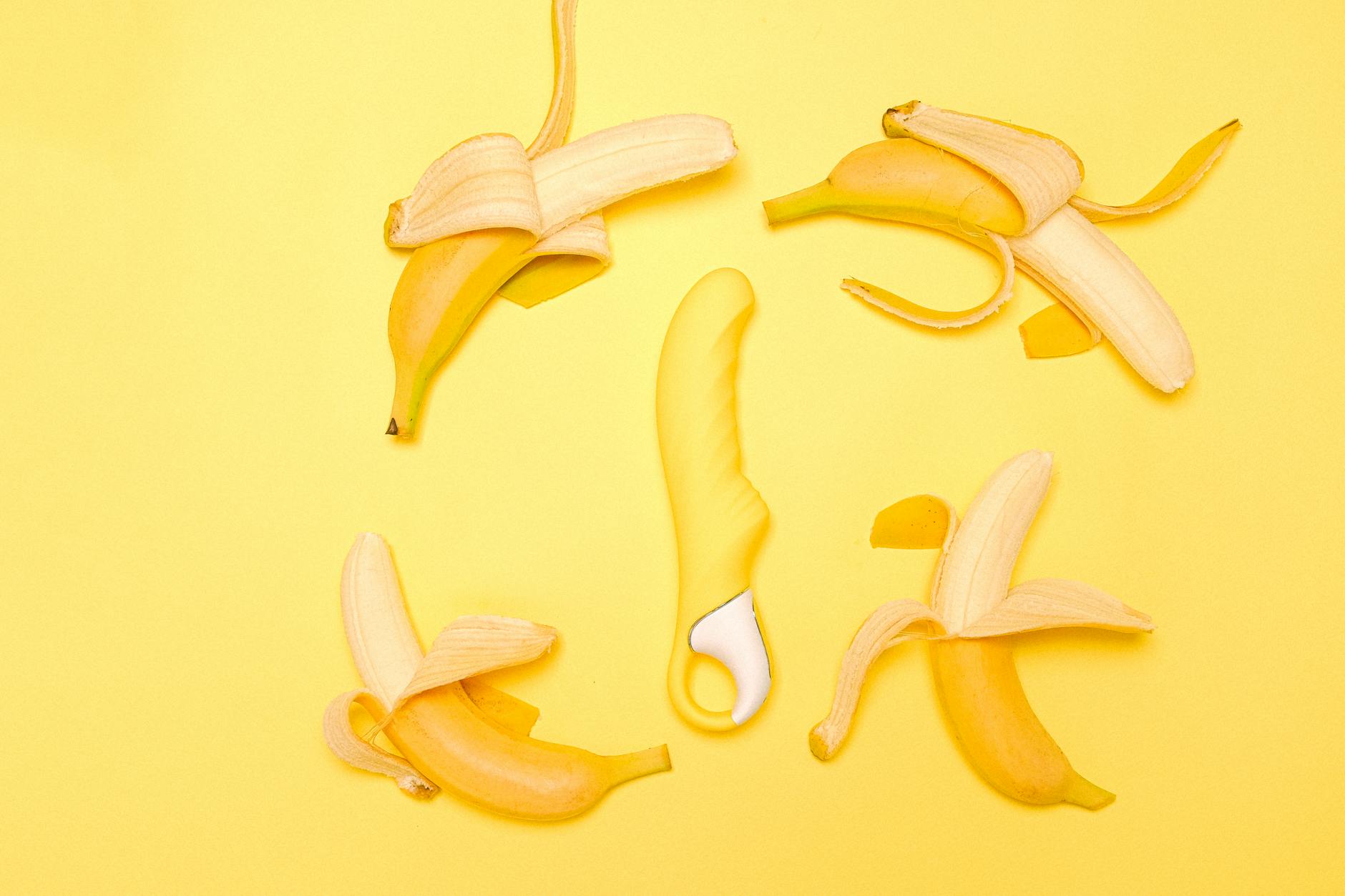
When your body feels like it belongs to someone else
Here's the thing about emotional disconnection: it shows up in the body first, but we only notice it in the bedroom. You might describe it as numbness, or floating outside yourself, or that weird feeling of watching your own experience happen to someone else. That's dissociation, and it's more common than anyone talks about. Stress, relationship conflict, grief, or prolonged anxiety can all trigger it. Your nervous system essentially pulls the cord and disconnects sensation to protect you.
The problem is that disconnection doesn't turn itself off once the crisis passes. It lingers. And when you try to experience pleasure, that same deadening effect makes everything feel distant, unreachable, or frankly boring.
Here's what's actually happening: dissociation suppresses the signals between your nervous system and your skin. Your clitoris has thousands of nerve endings, but if your brain isn't receiving those signals, it's like the lights are on but nobody's home. A lemon vibrator, specifically the suction-based clitoral stimulation that lemon adult toys deliver, works differently than traditional vibration. It uses sustained pressure and gentle suction to force your nervous system to wake up and pay attention. It's not subtle. Your body registers it. And once your body starts registering sensation, your mind follows.
Why suction wakes up a disconnected nervous system
Vibration sends rapid oscillations across tissue. Suction creates sustained, concentrated pressure at a specific point. The difference matters enormously when you're trying to rebuild embodiment.
When you're dissociated, your nervous system is in a protective freeze state. It's not interested in soft signals. A gentle vibrator, even a good one, can feel like white noise. But suction feels like something is actively happening. It creates a pull, a sensation that your nervous system can't ignore or rationalize away. The Hello Nancy lemon sucker, for example, delivers patterns that engage the clitoral complex in a way that demands attention.
Climatically, here's what happens neurologically. That sustained suction triggers the parasympathetic nervous system to engage more directly. It's not a subtle arousal curve. It's more like someone tapping you on the shoulder repeatedly until you actually turn around and notice them.
People describe the sensation as anchoring. That's the exact word I hear in conversations about rebuilding connection. Anchoring means your mind stops drifting and stays present because your body is insisting on it.
Start with stillness, then add the lemon vibrator
If you're disconnected from your body, jumping straight into stimulation can backfire. You need a runway.
Begin by lying down and spending five minutes doing absolutely nothing. No phone, no thinking about what you're "supposed" to feel. Just notice your body against the surface you're on. Notice the temperature of your skin. Feel the weight of your limbs. This is not foreplay. This is grounding.
Then, place the lemon clitoral vibrator against your external skin (not inside, not yet) without turning it on. Feel the shape. Feel the texture. Let your nervous system register that there's something there, and that it's safe. Leave it there for two minutes.
Only then turn it on, starting at the lowest setting. A lemon vibrator like the Lem has multiple patterns. Start with the gentlest, most consistent one. You're not chasing an orgasm. You're rebuilding the signal pathway between your body and your brain.
Wait at least three sessions, three days apart, before you move to higher intensities or different patterns. This sounds slow. It is. That's the point. Fast doesn't work when you're trying to rebuild trust between your mind and your body.
The mental work while you're using it
This is where most people miss the connection. The vibrator itself is only half the tool.
While you're using the lemon adult toy, your job is to narrate what's happening. Internally, say things like: "I feel pressure on my clitoris." "My body is responding." "This sensation is happening to me, and I'm here for it." Don't judge whether it feels good or bad. Just notice it exists.
If your mind starts drifting (and it will), gently bring it back to the physical sensation. Not with frustration. Just redirect, like turning a wandering dog back toward home.
Some people find it helpful to place their other hand on their heart while using the lemon vibrator. There's some evidence that simultaneous sensations in different parts of the body help the brain integrate and process the experience more fully. It's not mystical. It's neurology. Your brain lights up differently when it's receiving multiple signals at once.
If you cry, that's fine. If you feel nothing, that's also fine. The goal is consistency and presence, not intensity.
Building toward pleasure (slowly)
After two or three weeks of basic grounding sessions, you can start exploring longer stimulation periods and slightly higher intensities.
This is where the design of a lemon clitoral vibrator really matters. The suction-based approach means you're not fighting against sensitivity fatigue. Traditional vibrators can numb tissue if used at high power for too long. Suction distributes the stimulation differently. It maintains sensation longer without that numbing effect.
Most people find that they start to feel genuine pleasure somewhere between week two and week four. Not earth-shattering. Just authentic pleasure. You might notice that orgasm becomes possible, or that sensation spreads to other areas. That's your nervous system waking up.
The key is patience. Your body has been protective for a reason. It's not going to flip back on like a light switch. Consistent, gentle, present stimulation with the right tool (and suction is genuinely better for this work than traditional vibration) slowly rebuilds the connection.
When dissociation runs deeper
If you've been using a lemon vibrator consistently for six weeks and sensation still feels completely absent, or if dissociation is severe enough that you struggle to be present in daily life, you're past the point where a vibrator can help alone.
Talk to a therapist, ideally one trained in trauma-informed practice or somatic therapy. There are reasons your nervous system is locked down, and they usually need more than physical stimulation to resolve. That doesn't mean the lemon vibrator won't be part of your toolkit. It just means it's one tool among others.
Similarly, if touch itself feels triggering or distressing, rebuild that foundation before introducing vibration. Use grounding exercises, breathwork, and professional support first. The Hello Nancy product is designed to help with reconnection, but only if your nervous system is ready.
The partner question
If you're in a relationship, your partner might feel hurt or confused by your disconnection. It's worth naming directly: "I'm experiencing some dissociation. It's not about you. I'm working on rebuilding connection with my own body first."
Many partners want to help and feel helpless. Giving them a clear role, like respecting your solo practice time or checking in afterward, can actually strengthen the relationship. You're not pushing them away. You're doing the foundational work so you can show up more fully when you're together.
Some people eventually incorporate their partner into the practice, but not before they've established solo connection first. The order matters.
FAQ: Rebuilding body connection with clitoral vibrators
What's the difference between a lemon vibrator and other clitoral vibrators for disconnection work?
Lemon vibrators, especially suction-based models like the Lem, create sustained pressure rather than rapid oscillation. When you're disconnected, your nervous system needs a strong signal to register. Suction delivers that more effectively than traditional vibration. Other clitoral vibrators can work too, but they typically require you to be further along in the reconnection process.
Can I use a lemon adult toy if I'm on antidepressants?
Yes, though sensation might be muted while you're adjusting to the medication. The process takes longer, sometimes significantly longer. If you've been on the same dose for three months or more and sensation is still absent, talk to your prescriber. Sometimes adjusting the timing of your dose relative to solo practice helps. This is a legitimate clinical conversation worth having.
What if nothing feels pleasurable even after consistent practice?
Anhedonia, the inability to feel pleasure, is different from dissociation. If you can feel sensation (pressure, warmth, texture) but nothing feels rewarding or enjoyable, the issue is likely neurochemical rather than nervous-system-protective. See your doctor or a mental health professional. A lemon vibrator is still a useful tool, but it's working alongside treatment rather than as the primary intervention.
How long before I should expect real improvement?
Most people report noticeable shifts in embodiment between weeks three and six. Actual pleasure, or the beginning of it, often takes eight to twelve weeks of consistent practice. "Consistent" means at least twice weekly. If you're practicing once a month, the timeline extends significantly. Your nervous system needs repetition to update its threat assessment.
Should I tell my partner I'm using a lemon vibrator for this?
That depends on your relationship. If you share a bedroom, honesty is probably easier than secrecy. If you're single or have separate spaces, it's entirely your choice. The practice works either way. Some partners find it interesting to understand what you're doing and why. Others prefer not to know details. You get to decide what serves your relationship best.
Can disconnection from my body mean my relationship is in trouble?
Not necessarily. Dissociation can come from stress, burnout, health changes, or past experiences that have nothing to do with your current relationship. That said, sometimes it's both: the relationship isn't meeting your needs AND your nervous system is struggling. Those are separate problems that might need separate solutions. If your disconnection is specifically tied to your partner or your dynamic together, that's relationship work, not just embodiment work. Consider couples therapy alongside solo practice.
Coming back to yourself
Disconnection is protective in the moment. It's also isolating and corrosive over time. Your pleasure matters, and more fundamentally, your presence in your own body matters. Using a lemon vibrator isn't frivolous self-care. It's a direct neurological intervention. It's teaching your nervous system that it's safe to receive sensation again.
Start small. Be consistent. Notice what changes. The reconnection you're building with your body is the same reconnection that eventually extends to your relationships, your work, your entire experience of being alive.
You deserve to live inside your own skin again. That's what this practice is really about.