
Here's what partnered sex looks like when pleasure is actually mutual
Most partnered sex isn't designed for your orgasm. It's designed around penetration, which feels good for a lot of people but rarely gets enough people there. You already know this. What you might not know is that the couples who shifted this dynamic report something unexpected: better connection overall, not just better sex.
Clitoral lemon vibrators change the equation because they're not a workaround. They're a full reset of what "partnered" actually means.
Why clitoral toys strengthen partnered sex more than you'd expect
When your partner can focus on your pleasure instead of their own performance, something shifts. The cognitive load drops. The pressure evaporates. You're both working toward the same goal, which sounds simple but rewires how you touch each other.
A lemon vibrator does something specific here. It's efficient. Unlike a hand or a mouth, which require coordination and stamina, clitoral suction toys get you there reliably. This means your partner isn't holding tension in their forearm wondering if you're close. They're free to pay attention to your face, your breath, your body's actual signals.
Couples I've worked with report that introducing a lemon vibrator actually deepened their sense of "we're in this together." The toy isn't replacing them. It's removing the performance anxiety that was making both of you smaller.
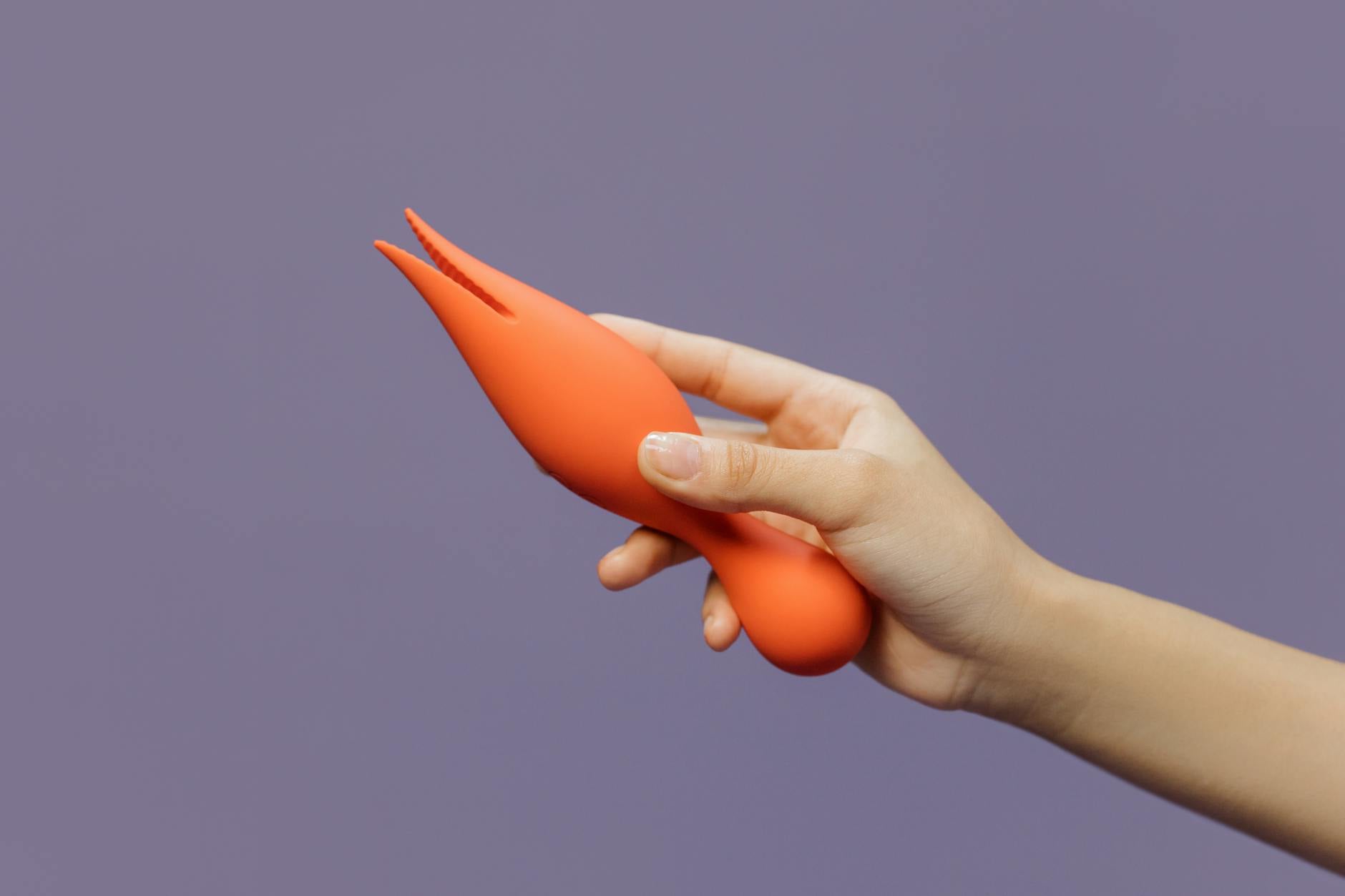
Photo by cottonbro studio on Pexels
The conversation that makes the difference
You can't just produce a clitoral vibrator in the middle of sex and expect it to land well. The introduction matters. Here's what works.
Pick a moment outside the bedroom when you're both calm. Not during sex, not in the heat of the moment, not when either of you is tired or defensive. This is just information sharing, not a negotiation.
Frame it around your pleasure, not their performance. "I've been curious about trying a clitoral toy because I think it would help me orgasm more reliably. Would you be open to exploring that together?" is different than "I don't think what we're doing now is working."
Most partners respond better than you expect. Some feel relieved. A few worry they're being replaced, which is exactly what you address. "This isn't instead of you. It's in addition to you. I want you here the whole time."
Then actually show them the toy. The lemon vibrator is small, elegant, and not intimidating. Letting them hold it, see how it works, understand that it's not complicated helps normalize it fast.
How to actually use it together
Start with foreplay where you're both touching each other. When you're ready to focus on your own pleasure, hand the toy to your partner or keep it in your hand and let them touch you elsewhere. Penetration, kissing, holding. The toy is one tool in a full body experience, not the whole thing.
If your partner is using the lemon vibrator on you, they need to know you'll guide it. Tell them what feels good. "A bit lower," "slower," "stay right there." They're not a mind reader, and communication here isn't a mood killer. It's the whole point.
Many people worry the toy will make them come too quickly and feel silly. That's real. One thing that helps: use the lowest settings first. Build up. Let your body acclimate. You'll have better orgasms if you're not rushing toward them.
Some couples find that using a lemon vibrator together eventually shifts how they touch each other during sex without the toy. Your partner learns what pressure and rhythm actually work for you. That knowledge carries forward.
What actually kills the mood, and what doesn't
Here's what kills it: shame about the toy, or the implication that your partner has been failing you. Neither of those is true, and neither should be there.
What doesn't kill the mood: directiveness, communication, or asking for what you want. What actually kills the mood is pretending everything is fine when it's not.
If using the lemon vibrator together feels awkward the first time, that's normal. You're learning something new. The second time is smoother. By the third or fourth time, it's just part of your routine.
Some partners love watching you with a clitoral toy. Others prefer to close their eyes and focus on the sensation of being close. There's no right way. You both get to have preferences.
When your partner is resistant
Sometimes you get pushback. "I don't want you to use that." "Doesn't that mean I'm not enough?" "It feels weird."
Resistance usually isn't about the toy. It's about fear of inadequacy or discomfort with direct conversations about sex. That's a deeper conversation than this article can solve, but here's the core: your orgasm matters as much as theirs. A toy that helps you get there isn't a referendum on your partner. It's your right.
If your partner won't budge, you have options. You can use it alone. You can try it during solo time and then mention casually that you enjoyed it, which sometimes softens resistance over time. You can also get more direct: "My pleasure matters. I'm going to explore what works for my body. You're welcome to be part of that, but I'm not waiting for permission."
That's not unkind. It's respect for yourself.
The thing that actually surprises couples
Most people expect partnered sex with a clitoral toy to feel transactional or clinical. Instead, what couples report is the opposite. There's less pressure. More presence. You're both actually focusing on sensation and connection instead of whether this is "working."
Some couples find they orgasm together more often because you're not racing ahead while your partner's still building. You're moving at your own pace, and they're there watching it happen.
Your partner might also discover that watching you with a lemon vibrator is genuinely hot, which shifts the whole energy. It's not a substitute for them. It's you, fully present and honest about what your body needs.
That's the relationship thing, underneath the sex thing. When both of you stop pretending and start being real about desire, intimacy deepens. The toy is just the excuse to have that conversation.
How to choose the right toy for partnered use
For partnered sex, size and control matter. You want something your partner can hold and direct easily. The lemon vibrator is ideal here because it's small, intuitive, and doesn't require complicated controls that distract from the moment.
If your partner has mobility concerns or arthritis, consider whether they'll be comfortable holding a toy for 10-15 minutes. Some couples solve this by taking turns, or by you holding the toy while your partner does other things.
Sound also matters if you have roommates or thin walls. Lemon vibrators are quieter than larger traditional vibrators, but it's worth knowing before things get going.
When to reach out for support
If this conversation spirals into a bigger conflict about desire, frequency, or resentment in your relationship, that's a sign you might benefit from sex-positive couples therapy. A good therapist can help you both understand why the resistance is there and what you both actually need.
This isn't a failure. It's the opposite. It's choosing to invest in the relationship.
FAQ
Is it weird for my partner to use a clitoral toy on me during sex?
Not even slightly. Thousands of couples use clitoral vibrators during partnered sex. It's become normal because it works. The only thing that makes it weird is if you make it weird by treating it like a failure on either side.
What if my partner gets jealous or insecure about the toy?
That's about them, not you. Some insecurity is normal. Address it directly: "I love you. This helps me feel better in my own body, which makes me more present with you. That's not a bad thing." If the insecurity persists and blocks your pleasure, couples therapy is worth considering. You deserve a partner who wants your full satisfaction.
Can we use the lemon vibrator during penetration?
Yes. Many couples do. You can use it on your clitoris while penetration is happening, or have your partner use it on you. It changes the sensation and usually intensifies arousal. Some find they orgasm faster this way. Others find the combined sensation too much and prefer to use it separately. You'll figure out your preference together.
How do I bring it up without killing the mood?
Don't bring it up during sex. Bring it up over coffee or on the couch. "I've been thinking about something I want to try with you." That's it. Keep it simple and curious, not heavy. The mood isn't killed by talking about sex. It's killed by shame or the implication that something's been wrong.
What if I don't want my partner to be involved at all?
Then don't include them. You can use a clitoral lemon vibrator solo. Your sex life doesn't have to be fully shared to matter. That said, if you're in a partnered relationship, at some point your partner will want to understand your pleasure. You get to keep parts of it private, but complete secrecy usually creates distance over time.
Are lemon clitoral vibrators actually better for partnered sex than other toys?
For most people, yes. They're gentle, intuitive, and the suction sensation feels different from traditional vibration in a way partners often find compelling. But the best toy is whatever works for your body. Some people prefer wand vibrators. Some prefer bullets. The lemon vibrator is popular in partnerships because it's easy to use and control, but your preference matters most.
The deeper pattern here is simple: couples who are willing to get specific about pleasure tend to stay connected longer. Using a lemon vibrator together isn't about fixing a broken thing. It's about both of you choosing to prioritize sensation and honesty over the myth of how sex "should" work. That's intimacy. That's what actually lasts.