The orgasm shift nobody prepares you for
Let's be real: you used to come harder. Maybe it happened faster too, or more reliably, or without so much mental effort. Now the whole thing feels a step quieter. Smaller. Like your body is whispering instead of shouting.
This is not a broken thing. It's not a sign you're less sexy, less responsive, or done with pleasure. It's a signal that something in the equation has shifted, and that something almost always has a fix.
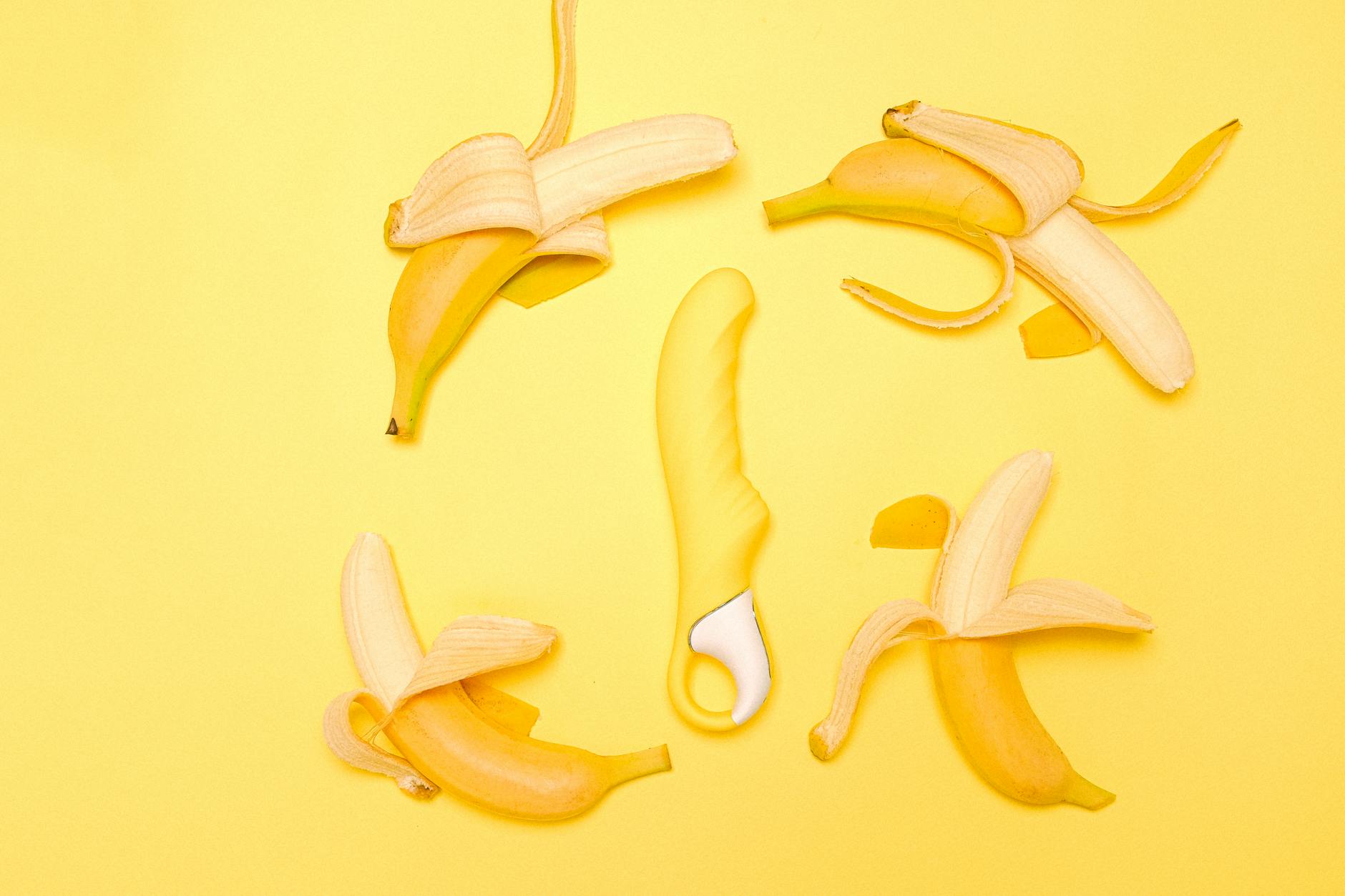
Here's what actually happens when orgasms feel weaker or come less often, why it's way more common than anyone talks about, and how a lemon clitoral vibrator like the Lem can rebuild what feels lost.
Why orgasm intensity changes over time
Orgasms are partly neurological and partly physiological. Both can shift without warning.
On the physiological side: blood flow patterns change with age, hormonal fluctuations, medication, stress levels, and cardiovascular fitness. The clitoris doesn't get less sensitive, but the speed at which blood pools during arousal can slow down. That pooling is what creates the pressure and intensity you feel building.
The pelvic floor muscles also matter more than most people realize. After years of tensing and releasing during sex, these muscles can either get stronger or lose tone depending on whether you're actively using them. A weak pelvic floor means weaker contractions during orgasm. This isn't broken. It's just deconditioning.
On the neurological side: your brain is less focused on orgasm the older you get. You've got work stress, relationship complexity, maybe kids, aging parents, financial worry. The brain's pleasure centers light up less dramatically when you're running a background process of anxiety. Attention during sex matters wildly more than most people acknowledge.
Then there's medication. Antidepressants, blood pressure meds, antihistamines, and birth control can all flatten orgasm response. Sometimes it's a side effect that passes. Sometimes you need to talk to your doctor about timing or switching. But knowing it's a medication issue is half the battle.
The pattern most people miss
Weak or infrequent orgasms often arrive in clusters. One stressful period, one medication change, one hormonal shift, one bad breakup, and suddenly your body goes quiet for months. What usually happens next is people assume it's permanent and stop trying.
It almost never is permanent. Your body didn't forget how to come. The pathway is still there. The nerve endings still work. What's usually missing is either the right stimulus intensity, the right mental state, or both.
This is where lemon sexual toys make such a difference. Air-suction vibrators work on a completely different principle than traditional vibration. Instead of buzzing horizontally across your clitoris, suction gently pulls the tissue into a chamber. This creates sensation at depth rather than at the surface. For people whose orgasms have gotten quieter, that depth of stimulation often reignites something that surface vibration alone can't reach.
How lemon vibrators rebuild orgasm intensity
The Lem, like other lemon clitoral vibrators, uses pulsing suction at varying intensities. Here's why that matters when your orgasms feel weak.
First: suction doesn't require as much surface friction. If your clitoris has gotten more sensitive as you've aged, or if direct vibration now feels harsh, suction lets you feel intense stimulation without the rawness. You get depth without pain.
Second: the building sensation of suction creates a different orgasm architecture. Instead of a single point of stimulation, you're feeling pressure in the whole clitoral complex. This often triggers more muscular contractions during climax, which means you feel it more intensely even if the base sensation is the same.
Third: consistency. You can't vibrate perfectly the same way every time by hand. Your partner can't either. A lemon adult toy maintains exact pressure and rhythm, which means your nervous system can settle into the pattern more completely. That consistency lets your body build intensity more reliably.
The technique shift that matters
Using a lemon clitoral vibrator when your orgasms have gotten quiet requires a different approach than you might think.
Start at the lowest intensity. I know that sounds counterintuitive when the goal is stronger sensation, but here's why it works: you need your nervous system to recognize the stimulation as pleasurable before you escalate. If you jump straight to the highest setting, you might startle your body or create pain instead of pleasure.
Spend at least 10 minutes at low intensity. Your blood flow will start pooling. Your clitoris will start responding. Your brain will start focusing. Then, once you feel arousal building, you can gradually shift up the intensity levels.
Position matters more than you'd think. Lie down rather than sitting up, if you can. Gravity helps blood flow to your genitals, which makes sensation more intense. If you usually come from a particular angle or with particular pressure, experiment with the lemon vibrator at that same angle first. You're not learning a new trick. You're translating your existing pleasure pattern into a new tool.
Building the pelvic floor back
If your orgasms feel weak partly because your pelvic floor muscles have lost tone, a lemon vibrator can actually help you rebuild them while you're using it for pleasure.
This is not about doing Kegels separately. This is about using the vibrator as biofeedback.
During arousal, deliberately squeeze and release your pelvic floor in rhythm with the vibrator's pulsing. You're essentially practicing those muscle contractions while they're being stimulated by something that feels good. After a few weeks of this, your muscles remember how to contract more forcefully, and your orgasms naturally intensify.
You should also notice that you can trigger stronger orgasms by consciously squeezing during climax itself. Some people come once and assume that's it. But if you keep the vibrator steady and add pelvic floor engagement, you can extend or deepen that orgasm. Your body remembers how to build more than you think.
The mental side you can't skip
Orgasms feel weak partly because your body forgot how, but also partly because your brain isn't fully in the room.
When you use a lemon clitoral vibrator, protect the mental space. Close the door. Put your phone in another room. Tell your partner you need 30 minutes. Honestly, use a do-not-disturb sign if you need to.
Your brain needs permission to completely focus on sensation. That's not selfish. That's the actual mechanism through which orgasms intensify. Divided attention creates divided pleasure.
If anxiety has been muting your response (and stress is the number-one orgasm killer for people over 35), spending solo time with a lemon adult toy actually retrains your nervous system. You're teaching your body that it's safe to focus on pleasure. That safety is foundational.
When to add a partner back in
If you've been rebuilding intensity solo, you might be nervous about the transition back to partnered sex. Here's what I tell couples: use the lemon vibrator together first.
Have your partner watch. Have them hold the vibrator while you guide the intensity. Have them learn the rhythm that works for your body now, not the rhythm that worked five years ago. This isn't a detour. It's them learning your current pleasure map.
Some people use the lemon clitoral vibrator during partnered sex too. That's not a replacement for their stimulation. It's an addition. Your body gets the sensation intensity it's been missing, and your partner gets to feel you come harder than you have in months. Win for everyone.
The timeline you should expect
Orgasm intensity doesn't rebuild overnight, but it moves faster than you'd think if you're consistent.
First week: you might feel more sensation than you have in months, but climax might still feel muted. Your nervous system is waking up.
Weeks two and three: orgasms start building more reliably. You might notice you come more easily or with less mental effort.
Weeks four and six: intensity noticeably increases. You might start having stronger or longer orgasms, or both.
Month two and beyond: this becomes your new baseline. Pleasure doesn't feel like an effort anymore.
That timeline assumes you're using the lemon vibrator 3-4 times per week, in a mentally focused way, for at least 15-20 minutes per session. If you're using it casually or inconsistently, everything takes longer. Your nervous system responds to consistency.
Common mistakes that slow the rebuild
Don't jump straight to the highest settings. Your clitoris will numb out.
Don't use the vibrator while you're stressed or distracted. You're training your nervous system, and anxiety is the opposite of the training you want.
Don't assume one session will fix it. Pleasure is a skill you rebuild, not a switch you flip.
Don't stop using the lemon vibrator once you feel improvement and expect the intensity to hold. You'll lose it again. Make solo pleasure a regular practice, not an emergency intervention. Your partner will appreciate the difference.
FAQ
Why do orgasms feel less intense as you get older?
Orgasm intensity is partly hormonal, partly vascular, and partly neurological. Blood flow patterns change, pelvic floor muscle tone can decline if unused, and the brain has more competing stimuli. None of these are permanent or unchangeable. A lemon clitoral vibrator addresses the stimulation side by providing consistent, targeted sensation that rebuilds arousal architecture.
Can medication really make orgasms feel weaker?
Yes. Antidepressants, blood pressure medications, and antihistamines can all dampen sexual response. If you suspect your medication is the culprit, talk to your doctor about timing your dose differently or switching to an alternative. A lemon vibrator can sometimes compensate for medication-related numbness by providing stronger baseline stimulation, but medication itself needs to be addressed directly.
Is it normal for orgasms to feel good one day and weak the next?
Absolutely normal. Hormonal fluctuations, stress, sleep, hydration, and what you ate all affect orgasm intensity. If it's consistently weak over weeks, then something systemic has shifted. If it varies day to day, you're just experiencing normal human variability.
Do I need to use a lemon vibrator forever to keep orgasms strong?
No. Think of it like exercise. Once your pelvic floor is strong again and your nervous system is retrained to focus on pleasure, many people can maintain intensity through regular partnered or solo sex. But for some people, ongoing use of a lemon clitoral vibrator is just part of their sexual practice. Both are fine. You're not dependent on it unless you choose to be.
Can weak orgasms signal something medically wrong?
Sometimes. If orgasms have disappeared completely or if weakness is paired with pain, numbness, or sudden loss of sensation in other body parts, see a doctor. Most weakness is hormonal or neurological and easily addressed. But medical causes do exist, and ruling them out is worth a conversation.
What if I use a lemon vibrator and still don't feel anything?
That happens, and it's usually fixable. You might be holding too much tension in your pelvic floor. You might have the intensity too high initially, which numbs sensation. You might be distracted. Try lowering the intensity, spending more time in the warm-up phase, and creating actual mental space for pleasure. If nothing shifts after two weeks of consistent practice, it's worth checking in with a sex therapist or doctor.
Rebuilding happens, even when it doesn't feel like it
When your orgasms have felt weak or infrequent for months, the temptation is to assume that's permanent. It's not. Your body didn't forget. It just needs the right stimulus, the right attention, and the right amount of time to remember.
A lemon clitoral vibrator like the Lem is a tool, not a magic fix. But it's a tool that works specifically for this problem because it provides consistent, intense, deep sensation at a level that rebuilds nervous system response.
The real work is consistency and permission. Permission to take 30 minutes for yourself. Permission to focus entirely on pleasure. Permission to rebuild something that feels lost.
That's where everything changes.
If you're struggling to rebuild intensity or frequency, or if you're navigating these changes with a partner, reach out. We're here to help you figure out what works for your body now.
Contact us if you have questions about lemon vibrators or anything else.