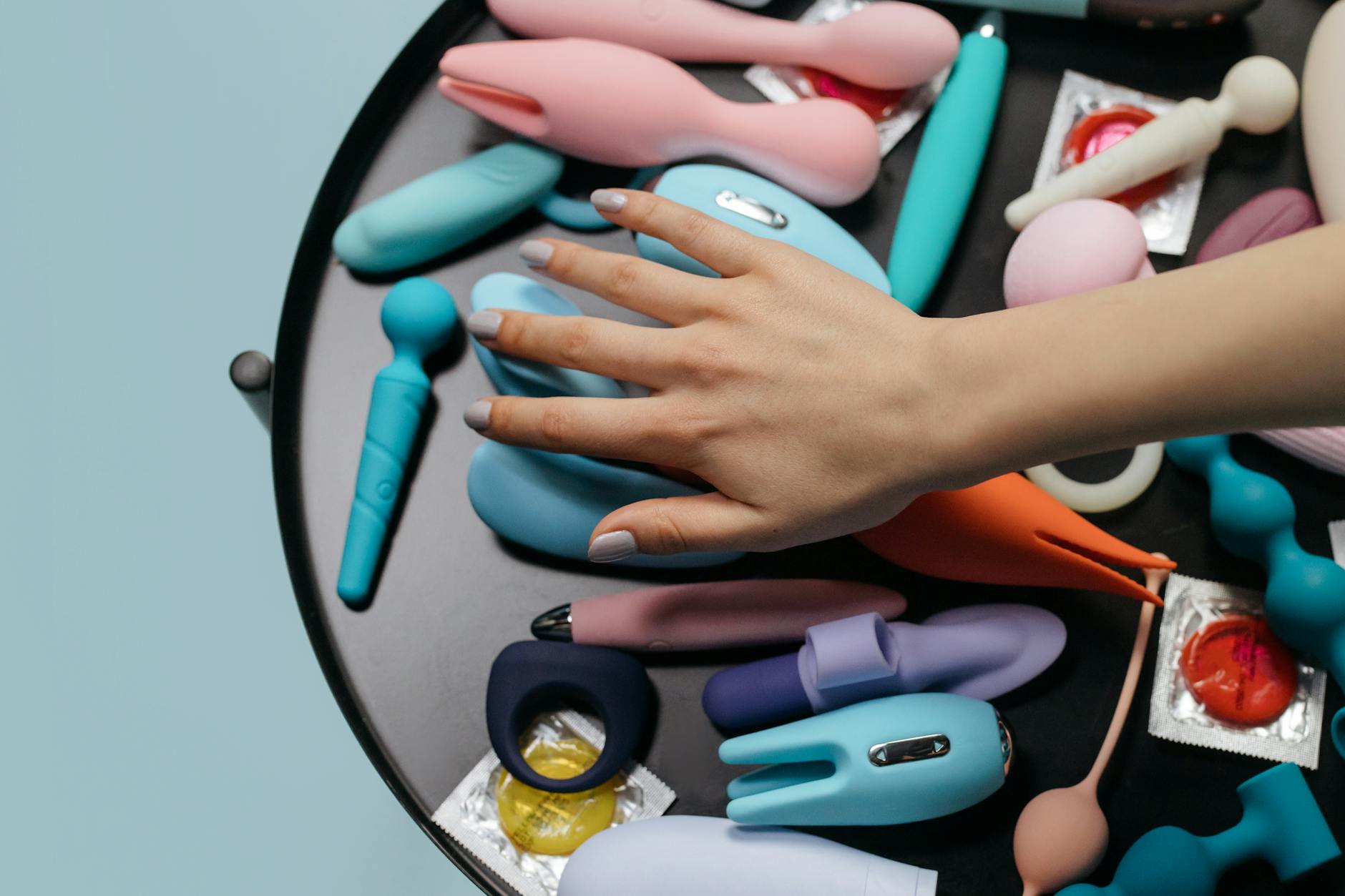
How to Use Lemon Vibrators When You Want Multiple Orgasms But Worry About Overstimulation
Let's be real: the idea of multiple orgasms sounds incredible. The reality? Many people hit a wall around orgasm number one or two where everything becomes almost unbearably sensitive. The clitoris swells, the nerve endings feel raw, and even the lightest touch becomes more pain than pleasure. So you stop. You lose the moment. And you wonder if chasing that "more" is actually worth the discomfort.
Here's what most guides get wrong. They treat overstimulation like a design flaw in your body. It's not. It's your nervous system doing exactly what it's supposed to do: protecting sensitive tissue from damage. The trick isn't to push through it. It's to work with it, pace yourself strategically, and use the right tool for the job. And that's where lemon vibrators, particularly air-suction devices like the Lem, become game-changers. They're gentler than traditional vibrators on raw tissue, which means you can sustain pleasure longer without hitting that overstimulation ceiling.
The science of overstimulation (it's not a weakness)
After your first orgasm, your clitoris undergoes a predictable sequence. Blood rushes out of the tissue gradually, the swelling reduces, and sensitivity shifts. For some people, this takes 30 seconds. For others, it takes 10 minutes. There's no "normal." What matters is that the tissue genuinely is more sensitive immediately post-orgasm, and touching it directly can feel sharp or almost painful.
This isn't a problem with you. It's basic neurophysiology. The same nerves that create pleasure when stimulated create discomfort when they're overstimulated. Think of it like pressing on a bruise. The tissue isn't broken, but it's announcing that it needs a break.
Why does this matter for multiple orgasms? Because traditional vibrators (the kind that use rapid, direct oscillation) apply steady pressure to the same nerve cluster. After one orgasm, that pressure becomes less "ooh" and more "ow." Many people assume they're just not built for multiples. What they actually are is stimulation-pattern dependent.
Why lemon sucker technology changes the game
Lemon vibrators like the Lem work differently from traditional toys. Instead of vibrating against tissue, they create rhythmic waves of suction and release. This stimulates nerves without the same direct mechanical pressure. Think of it as the difference between pressing hard on a sore muscle (ouch) versus gently massaging around it (relief).
Here's why this matters for multiples. After your first orgasm, the clitoris is swollen and sensitive. Direct vibration feels intense, even at lower settings. Suction, by contrast, pulls blood flow upward and creates a gentler stimulation curve. You can stay in the game longer without hitting that overstimulation wall. Many people find they can explore a second or even third orgasm because the sensation profile changes enough to feel fresh, not aggressive.
This isn't magic. It's a different mechanical approach to the same nerves. And it works particularly well when you're building toward extended pleasure rather than just chasing one big finish.
The pacing protocol that actually works
If you want multiple orgasms without the overstimulation crash, pacing is everything. Here's what I recommend to clients:
Session 1: Single orgasm baseline. Spend a week or two just figuring out what feels good with your lemon clitoral vibrator at a comfortable intensity. Pay attention to exactly when you feel overstimulated. Does it kick in immediately after orgasm? Five minutes later? This is your personal data. Don't skip this step.
Session 2: Extend without multiples. Once you know your sensitivity window, try this. After your first orgasm, instead of stopping, pause for 30 seconds. Switch to a lower intensity setting (pattern 1 or 2 on the Lem). Resume, but this time aim for a longer buildup to the next peak. You're not necessarily chasing another orgasm yet. You're teaching your body that the sensation can continue at a gentler register.
Session 3: The softer second peak. If the extended session felt good, now you can explore a second orgasm. Here's the key: it will feel different from the first. The buildup might be slower. The peak might feel less intense. That's not failure. That's your nervous system working as designed. Softer, longer waves of pleasure instead of one sharp peak.
Session 4 and beyond: Stack and vary. Once you've successfully navigated a second orgasm, the third becomes possible. But here's where pattern variation is crucial. Don't just turn up the intensity. Change the sensation by switching between suction intensities, adjusting angle, or changing the rhythm pattern. This keeps things fresh and prevents the numbness that comes from repetitive stimulation.
Recovery time between peaks (and why you need it)
One mistake I see constantly: people assume that if they just push through the discomfort, their body will adapt. That's backwards. Your body is already adapted. It's telling you it needs a break.
Between orgasms, build in transition time. This could be 30 seconds of light touch, or 2-3 minutes of other sensations (kissing, caressing, mental reset). The point isn't to stay "in the zone." The point is to let tissue sensitivity normalize before ramping up again.
If you're exploring multiples with a partner, this transition time actually serves another function: it creates rhythm and anticipation. You're not just chasing one continuous wave. You're building multiple peaks with distinct rises and falls. Many couples find this more emotionally connected and physically sustainable than the "keep going until you burn out" approach.
Positioning to manage sensation intensity
Where you position your lemon vibrator matters tremendously for overstimulation management. Most people assume you should stay in the same spot. Actually, slight angle shifts can change everything.
If direct pressure feels overwhelming after your first orgasm, try angling the Lem slightly to one side. You're still stimulating the same structure, but the pressure distributes differently. It feels like a completely different toy. Or shift the contact point slightly higher or lower. The glans (tip) of the clitoris is more sensitive than the body (shaft). After an orgasm, you might find the body responds better than the glans.
This isn't "settling for less." It's expanding your pleasure menu. You get to experience more orgasms, each with slightly different physical and emotional dimensions, instead of one intense peak followed by oversensitivity.
Mental reset between peaks (it's not just physical)
Here's what nobody tells you: overstimulation has a mental component. After a strong orgasm, your brain is in a particular state. Some people describe it as floaty or slightly dissociated. Some feel emotionally open. Some just feel done. Jumping immediately into stimulation again sends mixed signals to your nervous system.
Instead, use transition time for a mental reset. This could be as simple as taking three deep breaths, shifting your focus from sensation to emotion (love, gratitude, or just curiosity), or literally opening your eyes and taking in your surroundings. These mini-resets teach your brain that multiple pleasure is about varied experiences, not just repetition.
If you're with a partner, this is also prime time for connection. A few words, eye contact, or a kiss. You're building a rhythm together, not just mechanically stacking sensations.
Hydration, rest, and nervous system readiness
There's a non-obvious factor that affects overstimulation tolerance: your overall nervous system state. If you're tired, dehydrated, or stressed, your threshold for overstimulation drops significantly. Your clitoris swells more easily, and the sensitivity window narrows.
Before exploring extended pleasure sessions, make sure you're well-rested and hydrated. If you're chronically stressed, a few minutes of breathwork or gentle movement before you start can genuinely change how much pleasure you can access. This isn't woo. It's parasympathetic nervous system activation. Your body has to feel safe in order to access extended pleasure.
The same goes after your session. If you've successfully navigated multiples, your nervous system may need a gentle wind-down. Some people need quiet time. Others want continued closeness. Honor what your body's asking for. This recovery period actually determines how well you'll handle stimulation next time.
When to see someone if overstimulation becomes painful
There's a difference between overstimulation (sensitive, slightly uncomfortable, requiring a break) and pain (sharp, persistent, or involving any tissue damage). If you're consistently experiencing pain rather than sensitivity, that's worth discussing with a gynecologist.
Sometimes overstimulation pain points to underlying tissue issues like dermatitis, nerve irritation, or hormonal shifts that affect tissue thickness. These are all treatable. A healthcare provider can rule out anything structural and, if needed, recommend topical treatments that can expand your stimulation window.
Also worth mentioning: if anxiety about overstimulation is preventing you from exploring at all, talking to a therapist who specializes in sexuality can help. Sometimes the anticipatory worry is bigger than the actual experience. And sometimes there's a deeper pattern around control or safety that's worth unpacking.
FAQ: Common questions about lemon vibrators and overstimulation
Can I use the same lemon vibrator for both sensations I want?
Absolutely. The Lem's different intensity patterns work across the full pleasure range. Start with patterns 1-2 for gentle stimulation after a recent orgasm, and work up to higher intensities for building intensity from a calm baseline. You don't need multiple toys.
How long should I wait between orgasms to avoid overstimulation?
This is personal. Some people need 30 seconds. Others need 3-5 minutes. The guideline I give is: if direct stimulation feels sharp or uncomfortable, you're not ready. Wait until it feels neutral, then gently resume. Your body's signals are more reliable than a timer.
Is it normal for the second or third orgasm to feel weaker?
Completely normal. As blood slowly drains from tissue after each peak, sensitivity changes. Subsequent orgasms are often subtly different rather than simply smaller. Some people experience them as deeper or more emotional, even if the physical intensity dips. That's not failure. That's variation.
What if I can't seem to build toward a second orgasm no matter what I do?
First, confirm you're actually overstimulated rather than just done. If one orgasm fully satisfies you, there's zero reason to chase more. But if you want to explore, factor in rest, hydration, and nervous system readiness. Also consider that some bodies genuinely do better with single, sustained pleasure rather than multiple peaks. Both are completely valid.
Should I use numbing products to handle overstimulation?
No. Numbing masks the signal your body is sending. You need sensitivity to know when to adjust pacing or position. Instead of numbing, use the tools I've outlined here: pattern variation, positioning shifts, transition time, and pacing.
Do lemon clitoral vibrators really feel different from traditional vibrators for this?
Yes, substantively. Air-suction devices like the Lem don't apply the same direct pressure, which means you can sustain sensation longer without hitting the overstimulation threshold as quickly. That said, every body is different. If you're considering trying one, think of it as an expanded toolkit rather than a guaranteed fix.
The real goal: building your own pleasure architecture
Honestly, the whole point of understanding overstimulation isn't to force yourself into multiple orgasms. It's to expand what you actually enjoy. Some days you want one deep, intense peak. Other days you might want multiple gentler waves. Some sessions you're solo and in complete control. Others you're with a partner and building rhythm together.
When you stop treating overstimulation like a problem to overcome and start treating it like data your body is providing, everything shifts. You get to design pleasure that fits your nervous system, your schedule, your emotional state. That's the whole game.
If you're ready to explore this with a lemon vibrator, start with the pacing protocol I outlined. Be patient with yourself. Your body isn't broken. It's just communicating. Listen, adjust, and let the pleasure unfold at a pace that actually feels sustainable.
Have questions about how to get started? Reach out to our team. We're here to help you figure out what works for your body.