
Let's name what you're actually worried about
You want to use a lemon clitoral vibrator during sex with your partner. But the shame is louder than the want. You're worried they'll feel replaced, that you're signaling their touch isn't enough, that asking makes you needy or broken. None of that is true, but the worry sits there anyway.
Here's what I know after two decades of working with couples: the self-consciousness you feel isn't about the toy. It's about permission. You haven't given yourself permission to ask for pleasure without apologizing for it.
The myth you need to abandon
There's a story that runs quietly through most partnerships. It says that good sex should happen naturally, that real attraction means both people orgasm from the same thing at the same time, and that needing a toy means something went wrong. That story is wrong on every count.
Lemon vibrators and clitoral vibrators in general don't replace your partner. They change the equation in a way that often works better for both of you. When you orgasm more reliably, you're relaxed. When you're relaxed, you're present. When you're present, the whole experience shifts. Your partner benefits too, even if they don't realize why.
The shame narrative also assumes that pleasure is a pie. It isn't. Your pleasure doesn't take away from theirs. It adds to the room.
What stops people from asking
Three things, mostly.
First: belief that your partner will feel inadequate. This is a protection. You're trying to protect them from insecurity, which means you've made yourself smaller to do it. That's the actual problem.
Second: fear of being rejected or mocked. This goes deeper. You've learned somewhere that your desires aren't safe. Maybe from a partner, maybe from culture, maybe from your own internal voice. A lemon vibrator becomes a symbol of risk, not pleasure.
Third: uncertainty about how to bring it up. You don't have a script. So you avoid the conversation entirely and maybe buy the toy in secret, use it alone, and carry the guilt. That's not pleasure. That's performance anxiety with a different name.
How to actually start the conversation
Don't ask permission. That's the first shift.
Instead, lead with information. "I've been thinking about trying a clitoral vibrator during sex. I think it might help me reach orgasm more easily, and I'd like to try it with you." Notice what's missing: apology, explanation of what's wrong with you, framing it as a test of their adequacy.
If they push back, stay curious instead of defensive. "What are you worried about?" Listen. Nine times out of ten, the worry is simpler than you think. They're concerned about noise, or they don't understand why, or they worry it means you don't want them. Those are real conversations, not rejections.
Bring the toy into the conversation before the bedroom. Not as a surprise, not as a last resort when you can't orgasm. Mention it over coffee. Show them the design. Let it be normal before it's intimate.
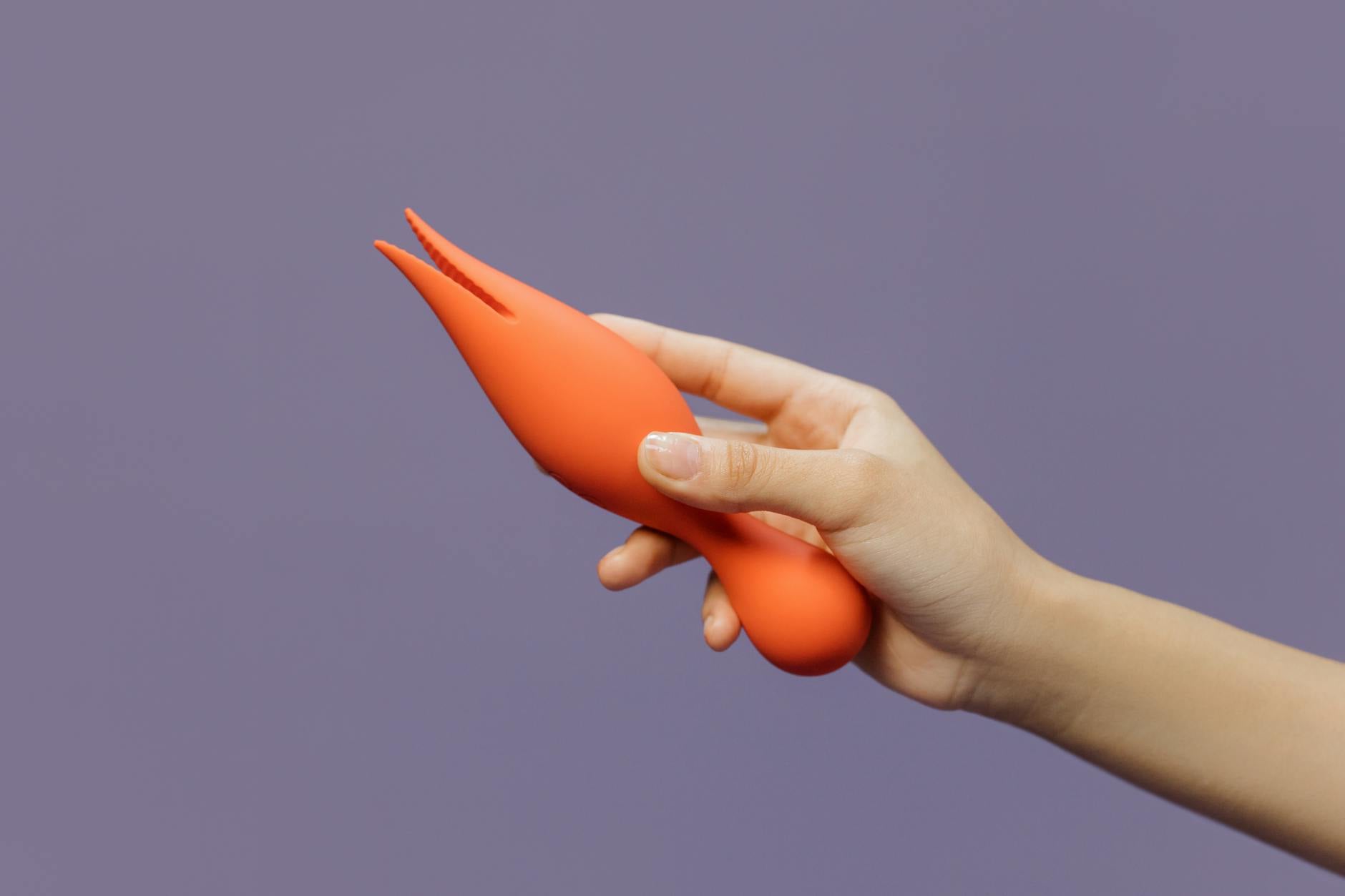
Photo by cottonbro studio on Pexels
Positioning that actually works
Here's what usually happens: you buy a lemon vibrator, mention it nervously, and then neither of you knows what to do with it. So it sits in a drawer.
Let's fix that.
If you're having partnered sex and you want clitoral stimulation, your partner's hand or mouth is usually providing that. Adding a toy means one of two things: either the toy supplements what they're doing, or it replaces it. Both are fine. The conversation determines which.
Supplementing: You're being penetrated, and they're using the lem vibrator on your clitoris at the same time. This increases sensation without replacing their role. Many people find this easiest because everyone's still touching.
Replacing: They focus on depth or rhythm while you handle your own clitoral stimulation with the toy. This often feels cleaner and gives you total control over pressure and pattern. You're not waiting for them to guess what you need.
Start with whichever feels less vulnerable. Some people find it easier to hand their partner the toy because it keeps them involved. Others need to do it themselves first, to own the sensation and the choice.
Your lemon clitoral vibrator isn't shy about intensity. The Lem uses gentle suction rather than vibration, which means you can use it for longer without overstimulation. That's actually a gift in partnered sex because it buys you time to build orgasm without burning out.
What happens to shame when you stop hiding
Self-consciousness thrives in secrecy. It grows when you're using the toy alone and feeling guilt, or when you want it during sex but don't ask. The moment you name it out loud, the power shifts.
Your partner's response matters, but it matters less than you think it does. If they're enthusiastic, wonderful. If they're uncertain, that's a conversation, not a verdict. If they're resistant, that's information about your relationship that needed to come to the surface anyway.
What I tell couples in my office: pleasure is a language. You've probably been speaking it badly or in whispers. A toy isn't the problem. The problem is that you're still apologizing for having a body that wants things. The Lem is just the excuse to stop.
Practical things that help
Charge it beforehand. Running out of battery mid-session is a shame spiral you don't need.
Use water-based lubricant. It makes the sensation smoother and feels better for both of you. Silicone-based lubes can damage silicone toys, so stick with water.
Communicate during, not just before. "Slower," "a little more pressure," "keep that pattern." Your partner isn't a mind reader, and feedback isn't criticism.
Take the pressure off orgasm. The whole point of introducing a toy is to make pleasure easier, not to create a new performance standard. If it happens, great. If you're just enjoying sensation, that's also the whole point.
Remember that your pleasure is not their failure. This matters enough to say twice. When you come using a lemon vibrator during sex, you're not proving they weren't doing their job. You're proving that you deserve the conditions that help you feel good. That's a you thing, not a them thing.
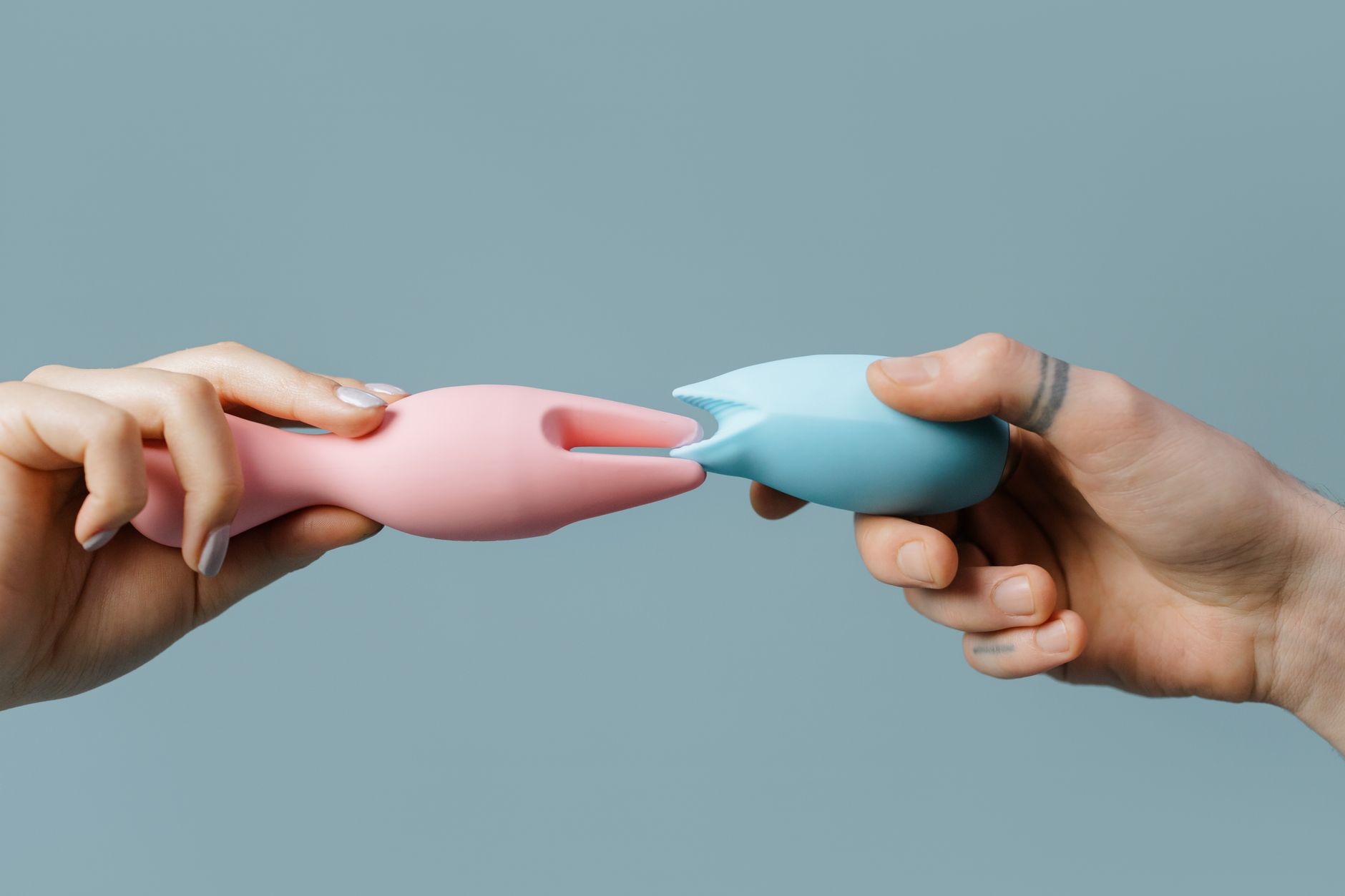
Photo by cottonbro studio on Pexels
When you're with a new partner
The shame can feel worse when you're early in a relationship. You haven't built trust yet. You don't know if they're the kind of person who gets it.
Honestly, a toy is a useful filter. If someone responds to "I want to try a clitoral vibrator" with anything other than curiosity or enthusiasm, you know something about how they handle your needs. That's valuable information before you're two years deep.
Bring it up naturally: "I've found that using a lemon vibrator helps me get there more reliably. Would you be open to trying that together?" Their response tells you what you need to know about whether this person is safe for your pleasure.
The connection between asking and intimacy
There's a paradox here that catches people off guard. When you finally ask for what you need without shame, the intimacy deepens. Not because the toy is magic. Because you stopped performing and started being real.
Your partner gets to know the actual you, not the version that's easy and accommodating and always fine. They get to participate in your actual pleasure, not manage your hidden guilt. That's a different relationship. A better one.
You deserve to ask. You deserve the answer to be yes. And if it's not, that's information you need.
FAQ
Can using a toy with a partner damage our relationship?
Not if you're honest. What damages relationships is secrecy and shame. When you hide the toy and use it alone, that creates distance. When you use it openly with your partner and communicate about what you need, it usually brings you closer. The toy is just the vehicle for a conversation that should have happened anyway.
Will my partner feel like I'm rejecting them if I use a lemon vibrator during sex?
Not if you explain it properly. Lead with what the toy does for you, not what's wrong with their touch. "This helps me reach orgasm more reliably" is different from "Your touch isn't working." One is about your body. The other is about theirs. Make sure they know the difference.
What if my partner wants to control the toy but that makes me uncomfortable?
You get to have boundaries. You can let them hold it, or you can hold it yourself. You can take turns. The conversation doesn't end at "yes, I want to use this." It includes "and here's how I want to use it." Your comfort matters as much as theirs does, possibly more because it's your body.
Is it weird to use a clitoral vibrator when you've never used toys before?
No. A lemon clitoral vibrator is actually one of the most beginner-friendly options because suction feels more natural than intense vibration. It mimics something your body already understands. Start on a lower setting and build from there. There's no rush and no right way to do this.
What if I've asked my partner about using a toy and they said no?
That's worth exploring. Why no? Is it about insecurity, misunderstanding, religious belief, or something else? Is it a "no, not right now" or a "no, never"? Sometimes people say no because they don't understand, and information changes that. Sometimes they say no because they're not comfortable, and that's a real boundary you both need to respect. If it's a hard no and you really want this, that's a compatibility question worth taking seriously.
Can lemon sexual toys actually help with partnered pleasure if I've had trouble orgasming before?
Yes. Most clitoral vibrators, especially lemon vibrators that use suction technology, make orgasm more accessible. That means less pressure on both of you. When you know you can reach orgasm, you stop performing and start enjoying. Your partner benefits from that too because you're actually present instead of worried.
The thing nobody tells you
Your pleasure isn't selfish. It's not extra. It's not something you have to earn or apologize for. When you use a lemon vibrator with your partner, you're not taking something from them. You're adding something to the experience that might make everything better for both of you.
Start the conversation. You might be surprised how ready your partner is to hear it.
Still thinking through how to approach this? Get in touch if you want to talk it through.