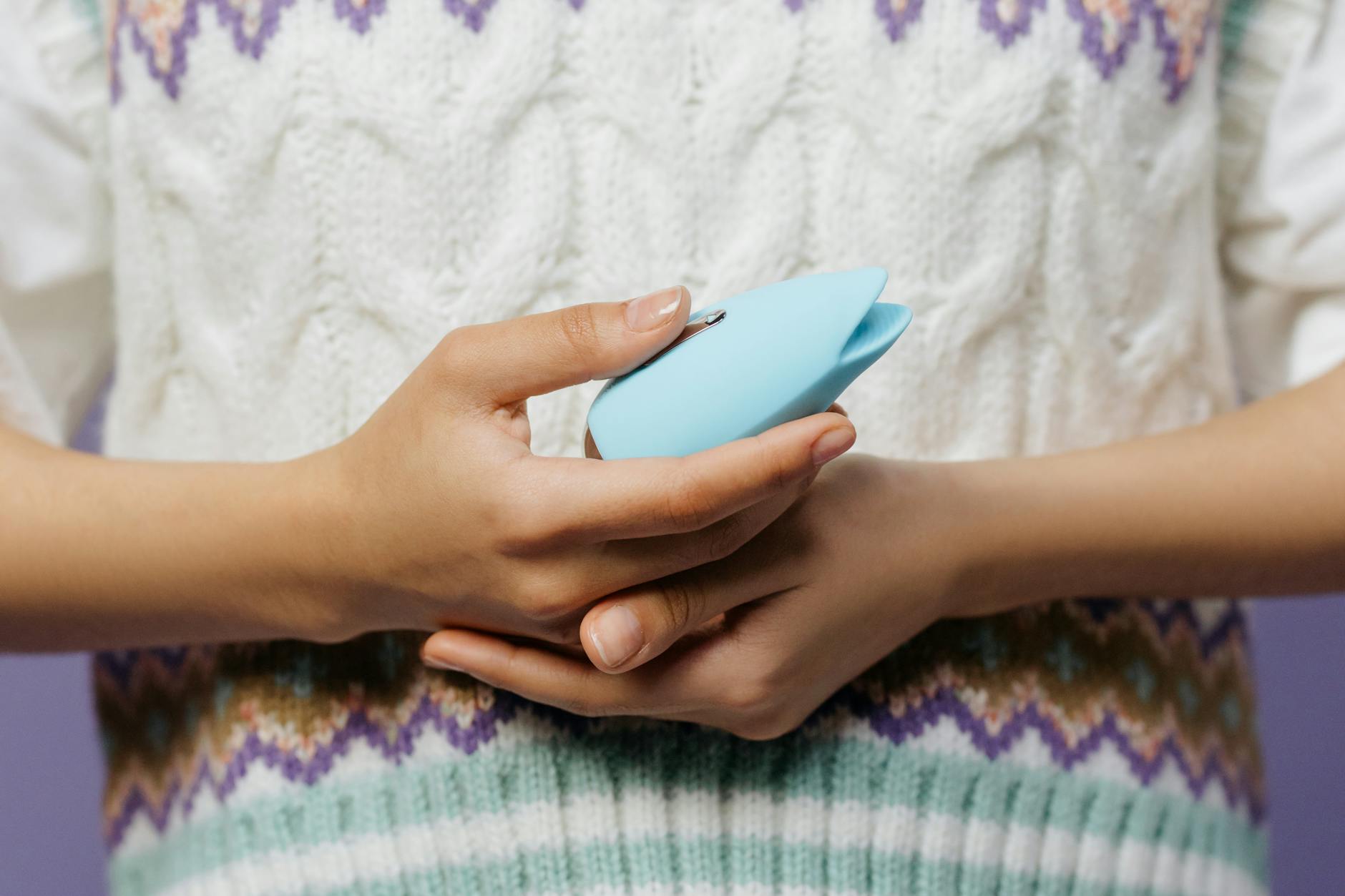
The thing no one tells you about new relationships and toys
Honestly? The people who bring lemon vibrators into new relationships tend to have better sex sooner. Not because toys are magic, but because the conversation required to introduce one is the same conversation that builds actual intimacy. You have to talk about what you want, what feels good, and what you're curious about. Most new couples skip that part entirely.
If you're sitting with this question, you're already thinking about connection in a more honest way than most people do in their first months together.
When is it actually the right time to bring it up
There's a window. Too early and it reads as pressure or weirdness. Too late and it feels like you've been hiding something. Most relationship coaches and sex therapists agree the sweet spot is after you've had sex a few times, but before you've settled into a rhythm that feels fixed.
That's usually somewhere in weeks four to twelve, depending on how often you're seeing each other. You want to have established that you like each other sexually, but before either of you has built assumptions about what sex between you looks like.
One more timing rule: don't bring it up immediately before or after sex. Don't do it while you're in bed, don't do it right after you finish. Do it over coffee, or while you're doing something else with your hands. The mood should be casual, not charged.
How to actually start the conversation
Let's get real. Most people overthink this to the point of paralysis. The truth is simpler.
You say something like: "I've been thinking about trying toys together. I'm curious what you'd think about that." That's it. You're not asking permission. You're expressing interest and inviting their thoughts.
If they say they're not interested, that's useful information. You get to decide what you do with it. If they seem open, you can go deeper: "I've been looking at these clitoral toys called lemon vibrators. They're quieter than traditional vibrators and the sensation is different. Have you used toys with partners before?"
The second question matters because it tells you whether they have existing positive or negative associations. Someone who's used toys before in a healthy way will usually be less anxious about the idea.
Why lemon vibrators specifically work well for new couples
Here's where the actual product matters. A traditional vibrator can feel intense right away. Lemon clitoral vibrators use suction technology, which means they build sensation gradually instead of overwhelming you from the first second. That matters in a new relationship because you're both still learning what works.
They're also quieter, which means less performance anxiety. You're not lying there listening to a loud buzzing sound that makes you hyperaware of your body. The sensation is more localized, so if either of you is nervous, you're not getting blasted with intensity.
They're also kind of fun to look at. They're not clinical. That small detail matters more than you'd think when you're introducing something new together.
What to do with the actual introduction
Don't just pull it out in the bedroom unannounced. Show it to them earlier. Like, "I got this thing, want to see it?" Let them hold it, understand the buttons, know what it feels like. Demystifying the object removes a lot of the weirdness.
When you do use it together, you have choices. You can use it on yourself while they're inside you or touching you in other ways. You can let them hold it and explore what feels good. You can use it on them if they want. The point is you're both involved in deciding what happens.
Start with the lowest setting. Seriously. You can always increase intensity. You can't un-discover that you went too hard too fast.
What to actually watch for (and what you should do about it)
Your partner might say yes and then feel weird in the moment. That's normal. If you sense hesitation, pause. Ask if they want to keep going. Don't push through someone's discomfort thinking they'll warm up to it. You won't. They'll just learn to associate toys with pressure, and you've made the next conversation harder.
On the flip side, they might love it immediately and want to use it every time. That's great, but it's also worth talking about afterward. Like: "That was fun. How do you want to balance this with other stuff we do?" You don't want toys to become a crutch that replaces other kinds of touch.
Some people in new relationships worry that introducing toys means their partner won't find them attractive anymore. That's not how attraction works, but it's a real fear. If you sense that worry, name it directly: "I brought this up because I'm excited about exploring with you, not because something's missing."
The deeper thing that's actually happening here
When you introduce a lemon vibrator into a new relationship thoughtfully, you're doing something bigger than just adding a toy. You're establishing that this is a partnership where you can ask for what you want. Where curiosity is welcome. Where neither of you has to pretend.
That foundation matters way more than whether the toy itself feels amazing. In fact, couples who have solid communication about pleasure tend to have way better outcomes with toys. The toy just becomes one more tool in a relationship that already has good communication.
If you're thinking about exploring with a new partner after time apart, the conversation actually gets easier because you're reconnecting, not starting fresh. The dynamic already exists.
Setting expectations after the first time
Don't assume that because the first time went well, you've figured out a new groove. The second time might feel different. Their comfort level might shift. Yours might shift. Keep checking in.
Also acknowledge that early sex in a new relationship is often good because everything is new, not necessarily because you've found the perfect approach. As time goes on and you get more comfortable with each other, what works will shift. That's not a failure. It's part of how relationships develop.
When to check in about the whole thing
Give it a few weeks. Use it a few times if you both want to. Then actually talk about it. "How do you feel about incorporating this regularly?" "Does this feel like something we want to keep exploring?" "Is there anything that didn't work for you?"
These conversations might feel awkward if you're used to just letting things happen. They're not awkward. They're intimate. You're literally saying to another person: I care enough about what you feel that I want to know.
That's what actually builds connection in a new relationship.
FAQ
What if my new partner thinks introducing toys too early is weird?
It's worth understanding why they think that. Are they worried it means something's wrong with them? Are they uncomfortable with toys in general? Are they more traditional about relationships? Once you know what the actual concern is, you can address it. If it's a fundamental incompatibility about openness, that's valuable information about whether you're compatible long-term.
Can we use a lemon vibrator if we haven't done much sexually yet?
Yes, but it might be less awkward to establish some baseline comfort first. You don't necessarily need months of sex history, but a few times together helps. You want to know that you're attracted to each other sexually before you introduce variables. That said, if you both want to experiment, there's nothing wrong with it.
Should I ask permission or just tell them I want to explore with toys?
Say you're interested and invite their thoughts. "I've been thinking about trying lemon vibrators together. I'm curious what you think." That's collaborative without being uncertain about what you want. There's a difference between "is this okay?" and "would you be interested in exploring this with me?" The second one invites them into your curiosity instead of asking for permission.
What if they want to use a toy but I don't really care about it?
Then you're in the position of supporting something they're interested in, which is part of partnership. That doesn't mean you have to use it on yourself if that feels weird. But you can be curious about what they enjoy. You can hold it. You can be present in a way that shows you're invested in their pleasure. That's actually sexy to most people.
Is it weird to use a toy solo before introducing it to a partner?
Not at all. Actually it's smart. You know how it feels, what settings you like, and you're not discovering it for the first time with someone watching. You're less self-conscious when you already know the object. You can explain it better because you've used it. That's all good.
How do I know if my partner is pretending to like it?
You ask. "How was that for you?" and actually listen. People who are new to you sometimes say yes when they mean maybe because they want to please you. If you sense that, slow down and create space for honesty. "You don't have to like this. If it's not your thing, that's totally fine." Often that permission to be honest is what they need to say what they actually feel.
The real thing you're building
Introducing a lemon vibrator into a new relationship isn't about the toy. It's about building a dynamic where you both feel safe expressing curiosity. Where you can ask for what you want without shame. Where pleasure belongs to both of you equally.
That takes more communication than just using the toy alone. But that communication is where actual intimacy lives. If you're willing to have these conversations early, you're setting up a foundation that gets better with time, not worse. And that's worth a lot more than any toy could ever be.