
Let's name the thing no one talks about
Honestly, one of the loneliest places in a long-term relationship is wanting sex when your partner doesn't. Not the performance version of wanting it. Actually wanting to be touched, to have an orgasm, to feel that release. And your partner just isn't there.
This isn't about being rejected once. It's about months or years of low or zero sexual interest on their end, while your body still wants what it wants. The guilt is real. The resentment builds quietly. You start to blame yourself, then blame them, then stop asking at all.
Lemon vibrators, especially clitoral suction toys like the Lem, aren't a fix for that relationship gap. But they're a way to stop abandoning yourself while you figure out the bigger conversation.
Why the desire mismatch happens (and why it's not your fault)
First, the data twist: mismatched libidos affect about 30-40% of long-term couples. It's not rare. It's also not a personality flaw on either side. It's usually one of three things.
Stress and burnout flatten desire. If your partner is managing anxiety, depression, or work overload, their nervous system isn't in a state where pleasure feels accessible. Their body might actually have lower testosterone or estrogen availability depending on their biology, and that's not something they're choosing.
Mismatched baseline desires. You might be a person who's always wanted regular sex. Your partner might be someone who's fine with touch but sex feels like a chore after 15 years. Neither is wrong. But living together means one of you usually feels deprived.
Relationship dynamics. Sometimes low desire is actually a symptom of something else. Unresolved conflict. Feeling unheard. A power imbalance. Using sex as a weapon. Those require actual conversation and usually a therapist, not a vibrator.
Why lemon vibrators matter when your partner doesn't
Here's what a lemon clitoral vibrator does that penetrative sex or manual sex doesn't. It gives you autonomous pleasure that doesn't require negotiation, performance, or someone else's arousal state.
When you're using the Lem or another lemon sucker toy, you control the pace, the intensity, the timing, the rhythm. You don't have to warm someone up. You don't have to wait for them to be ready. You don't have to perform desire for their benefit. You get to actually focus on what feels good in your body.
That's radically different from trying to initiate with a partner who isn't interested. That's loneliness with someone in the room. Using a lemon vibrator is solitude by choice.
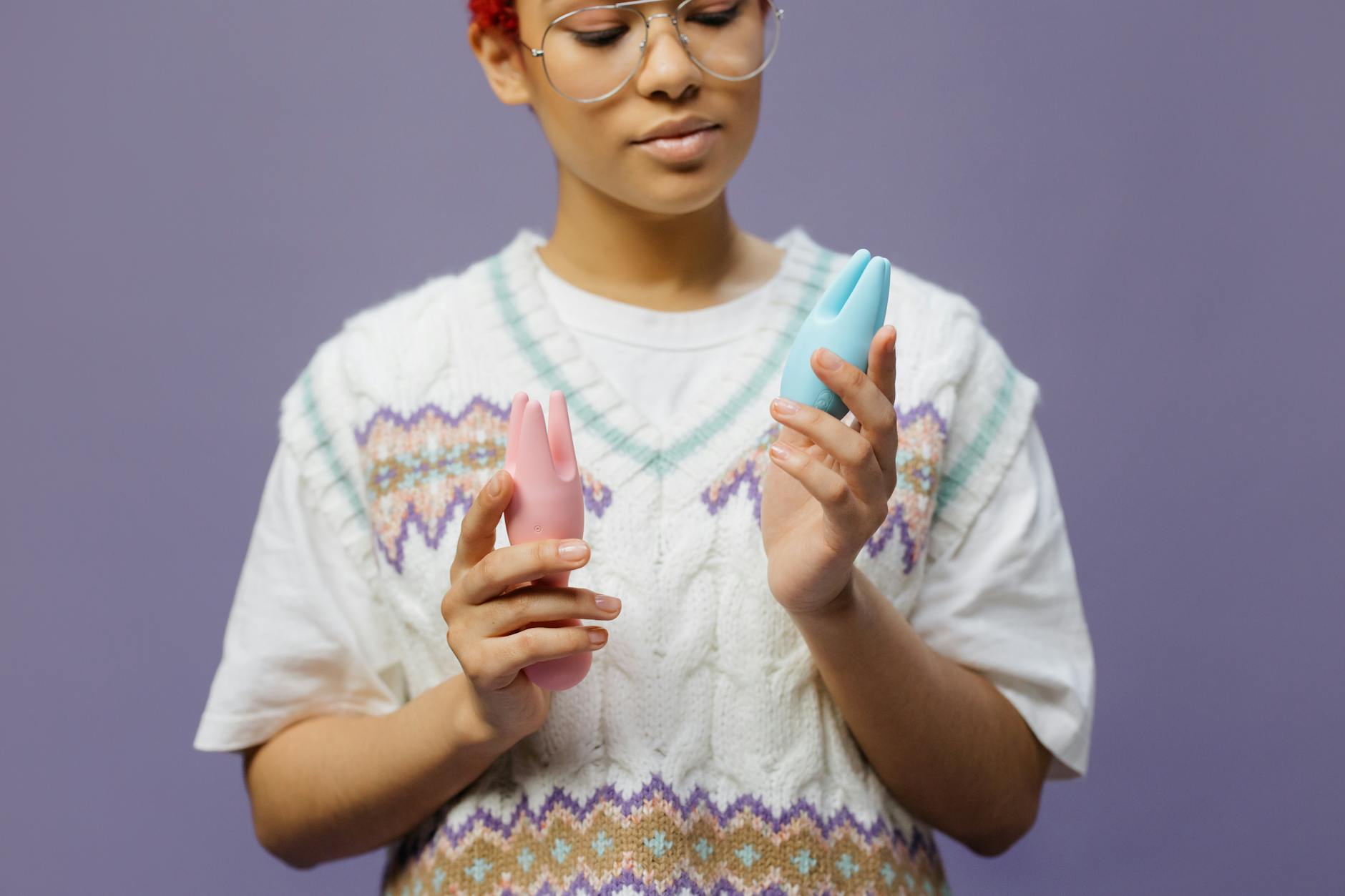
Photo by cottonbro studio on Pexels
The emotional setup matters most
Technically, you can use any lemon clitoral vibrator solo. But the emotional scaffold around it determines whether you feel shame or relief. Here's what I see work.
First, separate solo pleasure from partnered sex in your mind. They're different activities. One isn't a substitute for the other, and one isn't a consolation prize. Solo pleasure has its own value. It teaches you what your body actually wants. It gives you orgasms that aren't conditional on someone else's mood. It reminds you that you're a person with legitimate desires.
Second, do not use it as a coping mechanism for the real problem. If the real problem is that your partner has checked out emotionally, or that you haven't had an honest conversation about sex in years, a lemon vibrator won't fix that. It'll just give you temporary relief while the actual relationship deteriorates. You need the hard conversation. The vibrator is what you use while having it or after you've decided what comes next.
Third, be honest about frequency. If you're solo pleasuring yourself five times a week and your partner is completely unavailable, that's data. You have legitimate sexual needs. They're not being met. That's a problem that needs naming.
How to actually use a lemon vibrator when your partner's disinterested
Four practical things that shift the experience.
Set a specific time and place. Don't sneak around. Don't do it while they're in the next room in a way that feels forbidden. Pick an actual time. Tell them if that feels right for your relationship dynamic. "I'm going to have some time to myself Tuesday evening." Just like you'd say you're going to the gym. Shame thrives in secrecy. Autonomy thrives in openness.
Use a lemon clitoral vibrator, not a traditional vibrator. I say this as someone trained in relationship dynamics, not toy design. The reason lemon suckers like the Lem work better when you're solo is because they require less mental bandwidth. You're not managing vibration intensity or multiple settings. You're just applying suction. Your brain can actually relax into sensation instead of troubleshooting the experience. That matters when you're already emotionally tired from the relationship gap.
Start slow. Literally. Use the lowest setting first. Warm up the tissue. Build arousal over 15-20 minutes instead of rushing to the finish. When your partner isn't meeting your needs, the temptation is to get what you can as fast as you can, like you're stealing pleasure. Don't. Slow, intentional solo time is how you remind yourself that your pleasure matters enough to be savored.
Notice what you learn. After a few sessions, you'll know what your body actually wants. How long arousal takes to build. What pattern of stimulation gets you there. What you need for an orgasm versus just a pleasant sensation. That information is gold in any future conversation with your partner about sex. It's also just good information to have about yourself.
What to do about the relationship part
The vibrator isn't a band-aid if you want to stay in the relationship long-term. It's a way to stop abandoning your own body while you address the actual issue. Here's what that looks like.
First, have the conversation. Not during sex or when you're frustrated. Scheduled, calm, both of you fed and rested. Say what's true: "I have sexual needs that aren't being met. I want to figure out with you whether this is something we can address or whether this is a fundamental incompatibility." Not an accusation. A statement of fact.
Listen to what they say. They might tell you about depression, or medication side effects, or past trauma that's suppressing desire. They might tell you they're just not a sexual person. They might get defensive. All of that is information. None of it means you're wrong to want sex.
Then decide. Can you both live with this? Does your partner want to work on it (therapy, medical evaluation, couple's work)? Are you willing to stay if nothing changes? Can you genuinely use a lemon vibrator for solo pleasure without festering resentment? Or is this a sign that you want something different from life than this relationship offers?
There's no shame in any of those answers. But you need to actually answer them instead of just using a toy and pretending the gap doesn't exist.
The solo pleasure piece is real though
When desire mismatch is happening in your relationship, using a lemon clitoral vibrator for yourself isn't settling. It's not you giving up on partnership. It's you refusing to completely abandon your body while the relationship figures itself out. That's actually a form of self-respect.
Your pleasure matters. Your orgasms matter. Your body's needs are legitimate. A partner not meeting them is information about the relationship, not information about you.
People also ask
Is it normal to want sex more than my partner?
Yes, completely. Mismatched libidos are one of the most common relationship issues therapists see. About one-third of couples have different baseline sexual desires. It's not a sign you're broken or that they're broken. It's a compatibility question that needs honest conversation, not shame.
Can using a lemon vibrator solo damage my relationship?
Only if you're using it to avoid the real conversation about desire mismatch. If you're open with your partner about your sexuality, or at minimum not secretive and ashamed about it, a vibrator is just a tool for your own pleasure. If you're using it as a substitute for intimacy while resenting your partner, that resentment will damage things. The vibrator itself doesn't.
How often is it okay to use a lemon clitoral vibrator if my partner isn't interested?
As often as you want. Your body's sexuality doesn't belong to your partner. If you want solo pleasure three times a week, that's your call. If you want it once a month, that's fine too. The frequency that matters is whether partnered sex is happening enough for you to feel connected. That's the real metric.
Should I tell my partner I'm using a lemon vibrator?
That depends on your relationship agreements and communication style. Some couples are open about solo pleasure. Some keep it private. Neither is wrong. What matters is that you're not being deceptive in a way that would violate your partner's trust if they found out. If secrecy feels necessary, that might be a sign the relationship conversation is even more urgent.
Can a lemon vibrator replace partnered sex?
No. Solo pleasure and partnered intimacy serve different needs. One is about physical release and autonomy. The other is about connection, vulnerability, and being known. They're both important. If you're relying entirely on a vibrator because your partner won't touch you, that's a relationship problem, not a toy problem.
What if my partner is upset that I'm using a lemon vibrator?
That's actually important information. Ask why. Are they insecure about their ability to satisfy you? Do they feel rejected? Are they uncomfortable with your sexuality in general? Those are real things that need addressing, probably with a therapist. Their discomfort doesn't mean you should abandon your pleasure. It means you both need to understand what's underneath the reaction.
The real ending
When your partner isn't interested in sex, you have a choice. You can slowly resent them while your own sexuality dies. Or you can reclaim your body as yours, use tools like lemon vibrators to remember what pleasure feels like, and have an honest conversation about whether this relationship is sustainable.
Neither path is easy. But one of them involves you still being connected to yourself. That's worth a lot.
If you're navigating desire mismatch and want to talk through the relationship part more deeply, reach out to a relationship coach or therapist. And if you're ready to explore solo pleasure intentionally, that's valid too.