
How to Use Lemon Vibrators When You're Nervous About Sensation After Pelvic Pain
Let's be real. Pelvic pain rewires your nervous system. It teaches your body that sensation equals threat. Even after the pain resolves, your brain stays on high alert, and the thought of touch, let alone pleasure, can feel impossible.
Here's the thing: rebuilding sensation after pelvic pain isn't about pushing through discomfort. It's about retraining your nervous system to recognize that gentle, controlled stimulation can feel good instead of dangerous. That's where a lemon clitoral vibrator changes everything.
Unlike traditional vibrators, which rely on deep oscillation and direct pressure, lemon vibrators use suction and pulse patterns that are more about invitation than assault. Your nervous system notices the difference. Let me walk you through how to actually use one when you're starting from a place of fear.
Why pelvic pain makes sensation feel scary
Pain is a learning experience. When you've had pelvic pain (whether from endometriosis, pelvic floor dysfunction, vulvodynia, or pelvic inflammatory disease), your nervous system learned that the pelvic region is a threat zone. That's not a weakness. That's your body doing exactly what it was designed to do: protect you.
But the brain doesn't distinguish between "this pain is a signal I need rest" and "this sensation will hurt." So even gentle touch can trigger an alarm response. Your pelvic floor tenses. Your breathing gets shallow. Your arousal system shuts down.
This is called pain-related fear avoidance, and it's wildly common after pelvic pain. The irony is brutal: the very thing that could help you rebuild sensation—pleasure, touch, arousal—feels like the biggest threat.
A lemon clitoral vibrator is particularly useful here because suction stimulation doesn't create the same threat response as vibration. There's no hammering, no direct friction, no sense of pressure. It's more like an invitation. Your nervous system relaxes.
Start with zero expectation of pleasure
I mean this seriously. If you go into this wanting an orgasm, you've already set yourself up for failure. Pelvic pain recovery is about sensation, not outcome.
On your first time, the goal is simply to place a lemon vibrator near your clitoris (not on it) while it's off, and notice what you feel. Temperature. Weight. The curve of the device. This is called sensate focus, and it's the foundation of pelvic pain recovery.
You might feel nothing. You might feel numbness. You might feel a weird tightening. All of these are normal and useful information. Your nervous system is learning that this object doesn't hurt.
The next day or the next week (no rush), turn the device on at the absolute lowest setting and hold it near (not touching) your clitoris. The goal is still sensation awareness, not arousal. How does suction feel different from vibration? Does your pelvic floor tense? Do you find yourself holding your breath?
Notice. Don't judge. Don't try to make anything happen.
Build intensity one millimeter at a time
Once your nervous system accepts the vibrator at the lowest setting without tensing, you can move to the next step. And this is crucial: the next step is not "higher intensity." It's gentler contact.
Try resting the device directly on your clitoris (still at the lowest setting) for 30 seconds. Then turn it off and check in. How does your body feel? Is there warmth? Tingling? Relief? Panic?
Repeat this for several sessions before moving up. I know this sounds glacially slow. It is. It's also the fastest way to actually rewire your nervous system instead of pushing through fear and accidentally reinforcing the pain-threat connection.
When you're ready to increase intensity (and only when), skip the next setting. Jump from level 1 straight to level 3 if you want. The point is to test whether your nervous system is comfortable, not to follow a linear progression. Some people stay at level 1 for weeks. That's not failure. That's exactly right.
Add breathing and body awareness
Here's what separates productive sensation rebuilding from just holding a vibrator and hoping: breath.
When pelvic pain is present, breathing becomes shallow. Your diaphragm stops moving. Your pelvic floor locks. Even after the pain is gone, your body stays in this pattern.
Before you use a lemon vibrator, spend a minute breathing slowly into your belly. Exhale longer than you inhale (this activates the parasympathetic nervous system, which is the opposite of threat). Then turn on the device.
As you hold the vibrator, keep checking in: Am I breathing? Is my pelvic floor clenched? Where am I holding tension in my body?
The moment you notice tension, turn off the device. This isn't failure. This is your nervous system asking for a break. Honor it. Wait 10 minutes, breathe, then try again if you want to.
Many people find that after three or four pauses, the nervous system finally relaxes and sensation becomes available. That's the moment you're looking for.
Partner support changes everything
If you have a partner, tell them what you're doing and why. Not "I'm trying to have an orgasm." More like "My nervous system is still learning that gentle touch is safe. I'm rebuilding that connection slowly."
Your partner's job is not to create arousal or to fix anything. It's to be present without pressure. Some people find it helpful to have a partner nearby (but not touching) during those early sessions. The nervous system is social. Knowing someone you trust is in the room can make it easier to relax.
If your partner wants to participate, that comes much later, after you've spent several weeks (or months) rebuilding sensation on your own. Read how lemon vibrators help when you want to explore alone first for more on this.
When to expect sensation to return
This is the hardest question to answer because it's so individual. Some people rebuild clitoral sensation in three weeks. Others take three months. There's no timeline that's "normal."
What I know is this: if you're consistent (using the device once or twice a week), patient (never pushing past the nervous system's comfort), and honest about what your body is telling you, sensation does come back. Usually slowly, then suddenly.
One week you're still numb. The next week you feel a flutter. Then tingling. Then actual pleasure. It's not linear, and it's not fast. But it's real.
If after three months of consistent practice you're still feeling nothing, work with a pelvic floor physical therapist. Sometimes the nervous system needs professional support to fully resolve the pain-fear pattern. That's not a failure either. That's knowing when to ask for help.
When suction feels like too much
Sometimes the suction sensation itself triggers fear, even at the lowest setting. Your pelvic floor tightens. Your brain says no. Trust that signal.
You have options. Some people benefit from starting with gentle sensation without direct pressure first, then building to a vibrator months later. Others find that holding the device off to the side of the clitoris (rather than directly on it) feels less triggering.
You can also try wearing underwear or a thin layer of fabric between your skin and the vibrator. This muffles the sensation and removes the sense of direct contact. Weirdly, some people find this much less scary.
The device isn't the problem. Fear is. And fear responds to choice and control. If you need to modify how you're using the vibrator, that's information, not setback.
What happens after sensation returns
Once you're comfortable with the device and starting to feel pleasure (which can happen anywhere from week three to month six), you might wonder what comes next.
Pleasure after pelvic pain is its own thing. It might feel different from pleasure before pain. That's not wrong. That's just your nervous system having learned something. You get to decide what feels good now. You might discover you prefer certain sensation types. You might find that arousal takes longer to build. You might orgasm differently, or not at all, and that's completely fine.
The goal of rebuild isn't to go back to how things were. It's to move forward into a relationship with your body that's based on safety, choice, and genuine pleasure. A lemon clitoral vibrator is just the tool that makes that possible.
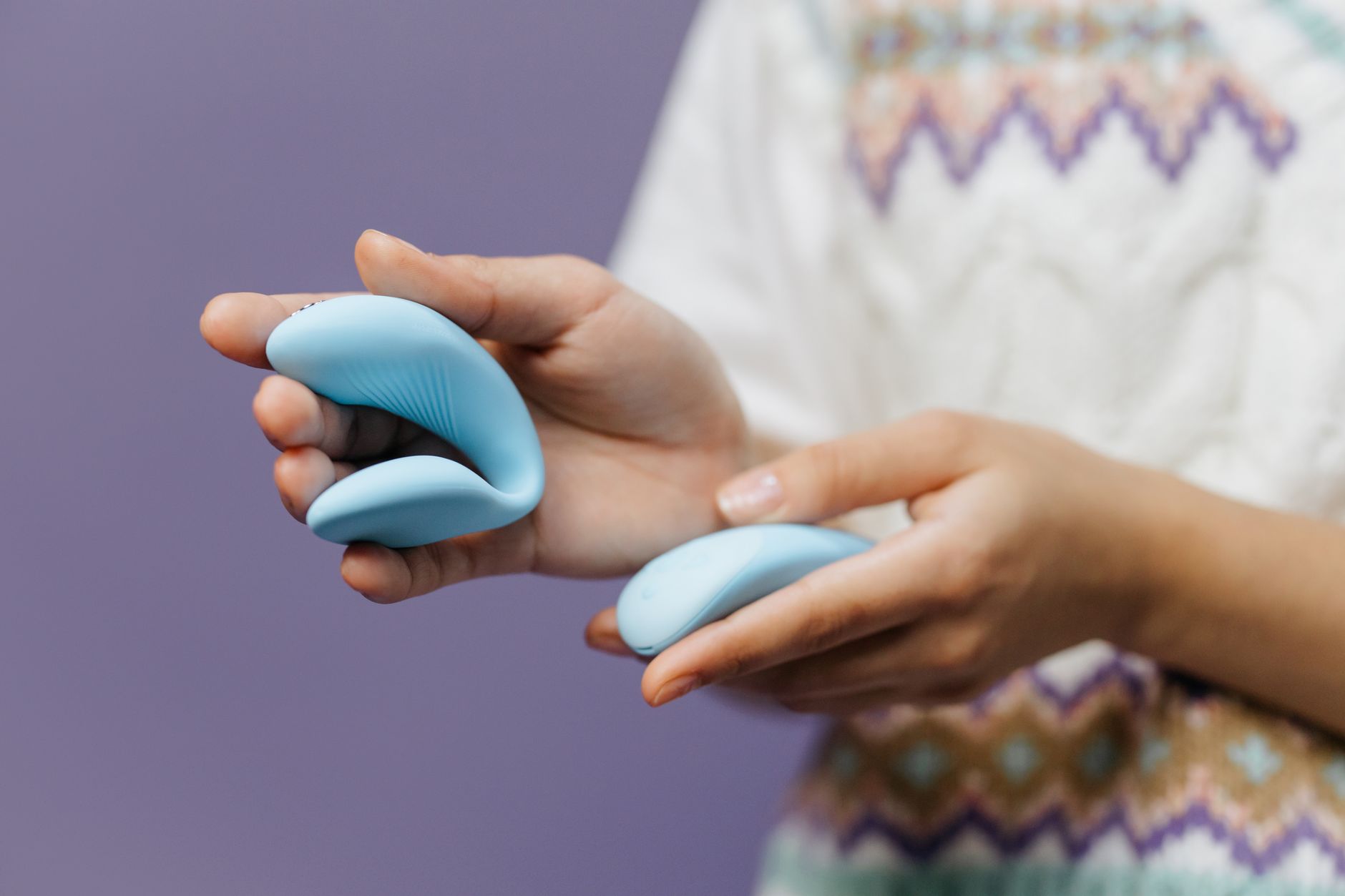 Photo by cottonbro studio on Pexels
FAQ: Pelvic pain recovery and sensation rebuilding
Can I use a lemon vibrator if I still have pelvic pain?
No. If pain is still present, the nervous system is still in threat mode, and introducing a vibrator will only reinforce that. Work with a pelvic floor physical therapist first to resolve the pain. Once you're pain-free for at least two weeks, you can start the sensation rebuild process.
How long does it actually take to rebuild sensation?
It varies wildly. Some people feel noticeable change in three weeks. Others take three to six months. The speed depends on how severe the original pain was, how long you had it, how much fear-avoidance has developed, and whether you have support (partner, therapist, etc.). Consistent, patient practice almost always works eventually.
Is numbness permanent?
Almost never. The clitoris has incredible nerve density, and the nervous system is remarkably plastic (able to change). Even after years of pain and numbness, sensation can return. It just requires patient, consistent practice without pushing.
My partner wants to use the vibrator with me, but I'm not ready. How do I explain this?
Tell them the truth: "My nervous system is learning that sensation is safe. Right now, that learning is easier alone. I need several weeks (or months) of solo practice before I can be present with someone else. That's not about you. It's about me rebuilding at my own pace." A supportive partner will understand. If they don't, that's information about your relationship that might be worth exploring with a therapist.
What if I feel aroused while rebuilding sensation?
That's great. But don't chase it. The moment you start trying to create arousal or push toward an orgasm, you're back in outcome mode, and the nervous system tenses up. If pleasure arises naturally, enjoy it. If it doesn't, that's fine too. The goal is sensation, not climax.
Can pelvic floor exercises help alongside vibrator use?
Sometimes, but be careful. If your pelvic floor is already tight (which it usually is after pain), aggressive Kegel exercises can make things worse. Gentle pelvic floor release work (relaxation exercises, breathing) is usually more helpful during the sensation rebuild phase. Ask a pelvic floor physical therapist what's right for your specific situation.
Is it normal to feel nothing even after weeks of practice?
Yes. Your nervous system might need more time, or it might benefit from professional support. There's no such thing as "broken beyond repair." Some people need a pelvic floor specialist, a trauma-informed therapist, or both. That's not failure. That's recognizing that complex pain recovery sometimes requires more than a device and patience.
Your pleasure matters. Your nervous system's safety matters more. Take whatever time you need.