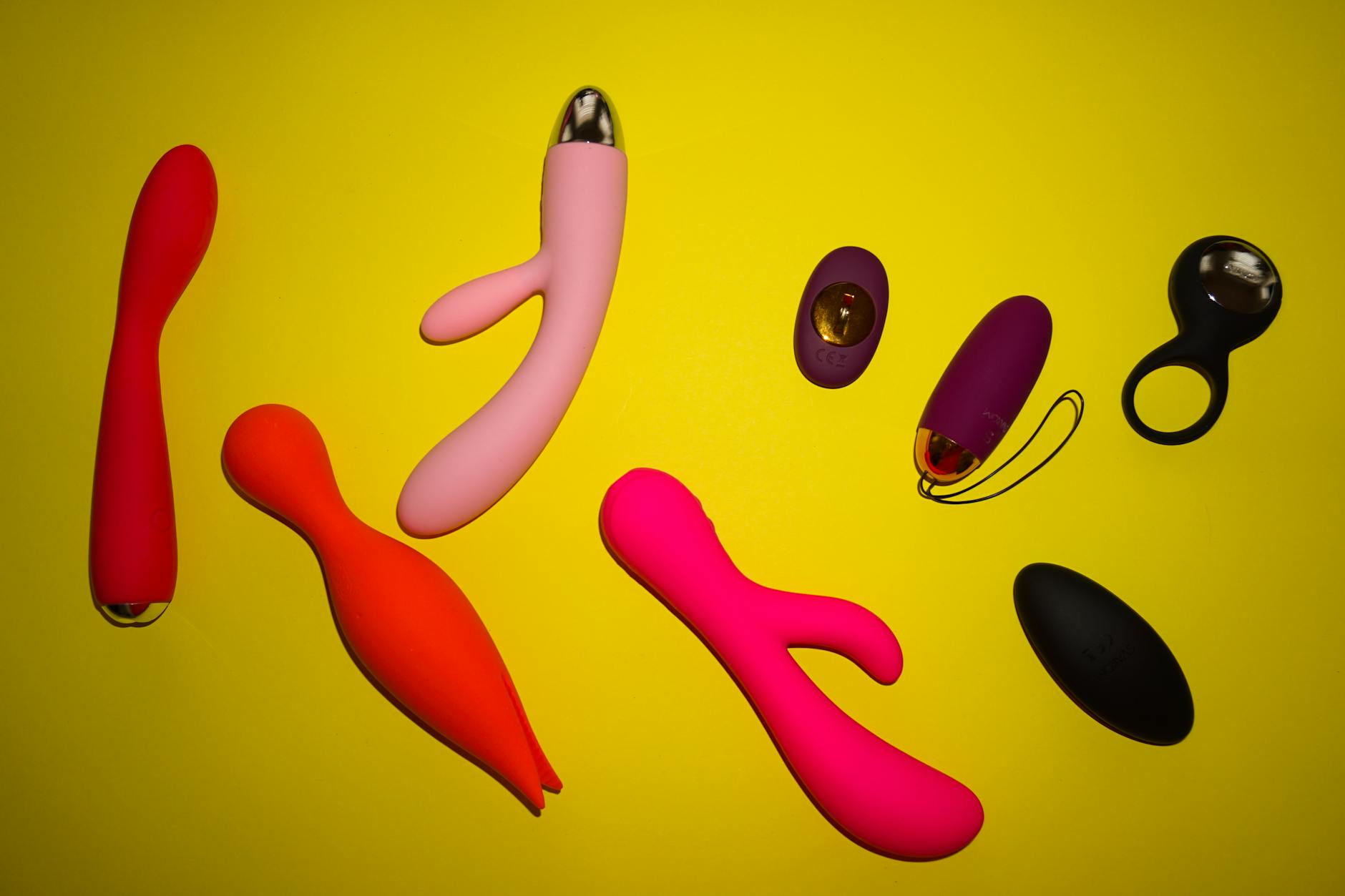
How to Use Lemon Vibrators With a New Partner Without Discomfort
Starting fresh with someone means rethinking pleasure together. Here's how to introduce a lemon clitoral vibrator into partnered sex without tension, pressure, or physical friction.
Honestly? The hardest part of bringing a lemon vibrator into bed with a new partner isn't physical. It's the fifteen minutes before you even mention it, when you're wondering if they'll think you're not satisfied, or that something's wrong with them, or that you're "high-maintenance." None of that is true, and we need to get you past it.
Here's what I see in my practice: people who introduce toys early, clearly, and without apology have better sex lives and stronger relationships. The ones who sneak a vibrator in or wait until month six to bring it up usually end up in awkward conversations that could have been ten-minute chats.
I'm going to walk you through exactly how to do this without discomfort, tension, or any weird energy.
When you're new with someone, everything is being calibrated. They're learning your body. You're learning theirs. You're both trying to figure out what turns you on, what you want to ask for, and whether it's safe to be honest. That's a lot of invisible negotiation happening.
Introducing a lemon clitoral vibrator into that space without context reads like a rejection, even when it's the opposite. Your partner's brain goes: "Does she want this instead of me? Am I not enough? Why didn't she tell me this mattered?" None of those questions are about the toy. They're about whether the relationship has room for honesty.
So the conversation comes first. The toy comes after.
You don't need a big production. Keep it short, specific, and framed as a shared thing, not a problem you're solving alone.
Option 1 (casual, mid-connection): "I've been thinking about trying a lemon vibrator together. I'm curious what it feels like, and I'd love for you to be part of that." Done. That's it.
Option 2 (over coffee, not in bed): "I want to try something new with you. I'm thinking about bringing a vibrator into what we do. How do you feel about that?" Then you listen. Not to convince them, but to understand what they're picturing and what worries they might have.
Option 3 (if they seem nervous): "I want to be really clear about something. I'm suggesting this because I want more pleasure with you, not instead of you. I like what we have. I just want to explore it more." Then show them what you mean.
The key: frame it as curiosity and exploration, not as a fix for a broken thing. Because it's not.
Here's what I hear a lot: "My partner felt weird having a toy there, and I felt weird asking, so we just... didn't." Then resentment quietly builds because you're not getting what you need.
Discomfort in that moment usually falls into three buckets.
His comfort. A new partner might worry that the vibrator means they're redundant, or they don't know where to put their hands, or they're suddenly on the sidelines. That's a script problem, not a toy problem. You solve it by telling them explicitly: "I want you here. Hold me, touch me here, watch my face." Lemon vibrators don't require isolation. They require company.
Your comfort. You might feel vulnerable introducing something new, or worried about judgment, or uncertain about what intensity to start at. Fair. When you're new to suction toys, starting at lower settings matters. So does giving yourself permission to say, "Actually, that's too intense right now." Your partner needs to hear that so they know you trust them with the adjustment.
Physical comfort (actually important). Thinner tissue is more sensitive. New partners often have slightly different anatomy in how they respond to pressure. A lemon clitoral vibrator's suction mechanism is gentler than traditional vibration, which is why it works so well early on. But you still want to start low, warm up longer than you usually do, and use water-based lubricant. Not because anything's wrong, but because easing into new sensations is just smart.
Lots of people picture the vibrator as replacing their partner's touch. That's not how it works in practice.
Your partner can be inside you (or between your legs) while you hold the lemon vibrator against your clitoris. Their hands can be on your chest, your face, your thighs. You're still connected. The vibrator isn't a wall between you. It's another layer of sensation you're sharing. Many partners actually find it incredibly hot once the initial weirdness passes.
Alternatively, they can hold the vibrator on you while you focus on kissing them, or while they're inside you. This is often easier for new couples because it means they're still doing something active and you're not worried about holding the device.
Or you can both just focus on you for a bit, and they focus on you. Your pleasure matters. Watching someone orgasm intensely because a lemon vibrator is doing exactly what their body needs? Most partners find that deeply sexy.
Water-based lube. Always. Silicone-based lubes damage silicone toys, and water-based just works better with suction anyway. Keep a small bottle on the nightstand so you're not fumbling at an awkward moment.
Start at pattern 1 or 2, not pattern 5. I know you want to jump to what you know feels good. Resist that. Your body is new to this, and your partner is watching, and low intensity right now means you can build higher together. It also means you're not gasping immediately, which helps you stay present with them.
Give it at least two or three times before you decide if it's working. New sensations need context. The first time you're also managing vulnerability and presence and logistics. By the third time, you actually know what you like.
Physical pain during sex, even with a new partner and a gentle toy, is worth taking seriously. Vaginismus, endometriosis, a new infection, or just tension from stress can all make things hurt. That's not about the vibrator. That's worth a conversation with your gynaecologist.
Emotional discomfort is different. If your partner is consistently dismissive about what you want, or shames you for suggesting a toy, or makes you feel bad for your body and what it needs, that's information. A lemon vibrator isn't magic. It can't fix a partner who doesn't respect you.
Most couples fall into one of two patterns after the first time. Either they go, "Oh, that was fun, we might do that again," and move on with their sex life. Or they go, "Why were we nervous? This is great," and it becomes a regular part of what you do together.
Very few people regret introducing this conversation early. What they often regret is waiting, or introducing it in a moment of tension instead of connection, or phrasing it as a problem to solve instead of pleasure to explore.
Your pleasure in a relationship is not selfish. It's not high-maintenance. It's not a threat to your partner. It's actually the foundation of sustained connection, because you get to be fully yourself with someone instead of editing yourself down to fit what you think they want.
A lemon clitoral vibrator is just a tool for getting there. The real work is the conversation. And if you can have an honest conversation about pleasure, you can usually have honest conversations about everything else too.
You don't know until you ask. But here's what I've learned: most partners are weirder about the secrecy and shame than the toy itself. When you bring it up as a normal thing you want to explore together, most people respond like it's a normal thing. If they react poorly, that tells you something real about how safe you are to be yourself with them. That's useful information.
Then you have a conversation about why. Is it a hard boundary, or is it nervousness? There's a difference. Some people need time. Some people have past associations with toys that make them uncomfortable. Some people just need to see you use it alone first before they're ready to be part of it. And some people genuinely aren't comfortable, and that's their right. Then you decide if that's a dealbreaker for you, or if you can live with that boundary. Either way, it's clear.
You can, but I'd recommend trying it solo first. Three sessions alone, low intensity, no pressure. You'll learn what you like, how your body responds, and you'll feel less nervous when your partner is watching. You'll also know exactly what intensity and pattern actually gets you there, which makes the partnered experience way less awkward.
Only if the conversation suggests that. The conversation should suggest the opposite. "I want to explore this with you" is different than "I need this instead of you." Say the first thing, mean it, and show them through how you touch them and look at them that they're still central to what's happening.
Orgasm timing with a partner is separate from toy anxiety. That said, knowing you can orgasm reliably with a lemon vibrator is actually really useful information. It means you know what gets you there. You can control the intensity. You can take your time. And your partner gets to watch and feel that, which most people find incredibly intimate.
Soon enough that you're not hiding something for months. Late enough that you've had good sex already and you know you like each other. Usually that's three to eight weeks in. Not on the first date. Not month nine. Somewhere in that range where you're comfortable but not yet entrenched in patterns that feel fixed.
Lemon vibrators don't require hiding or shame or waiting for the perfect moment. They require honesty, comfort, and a partner who's willing to explore with you. If you have that, using a lemon clitoral vibrator together is just another conversation in a relationship where you're both allowed to want things and ask for them.