When pressure becomes the problem
Here's what happens in a lot of longer relationships. One partner starts wanting sex more, or differently, or more often. The other partner feels watched. Their body stops cooperating. Arousal doesn't just soften. It vanishes. And then the whole thing becomes a conversation about what's wrong with them instead of what's actually going on.
What's actually going on is this: you can't relax into pleasure when you're being evaluated.
The second you feel your partner's need, your hope, their disappointment, your nervous system clocks it. Your body reads that as a job, not an invitation. And when sex becomes work, arousal leaves the building.
Why this matters more than you think
Partner pressure around sex is one of the most common reasons arousal tanks in long-term relationships. It's not about attraction or love. It's neurobiology. Your parasympathetic nervous system (the one that handles relaxation and pleasure) can't activate while your sympathetic system (fight-or-flight) is busy managing your partner's emotional needs.
The research is clear: when you feel observed or pressured during sex, your clitoris gets less blood flow, lubrication decreases, and orgasm becomes genuinely harder to reach. It's not a mood. It's physics.
But here's the good news. You can rebuild arousal in private first. You can teach your body that pleasure is safe again. And then, from that grounded place, you and your partner can rebuild connection.
The solo path to getting arousal back
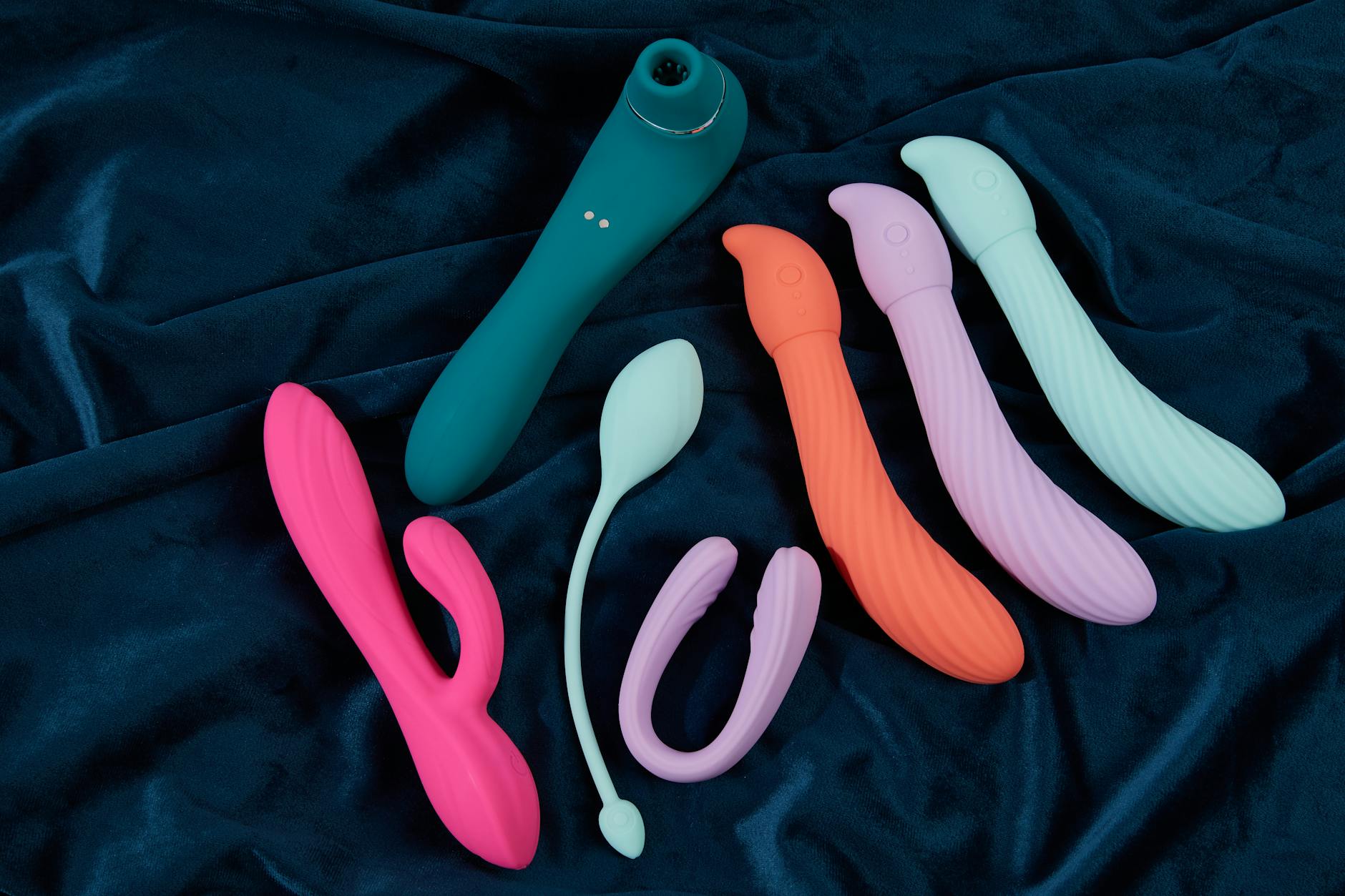
This is where a lemon clitoral vibrator changes the equation. Not because it's magic. Because it lets you separate your pleasure from your partner's needs entirely.
When you use a lemon vibrator alone, there's no one watching. No one's hoping you'll finish faster. No one disappointed if it takes twenty minutes. Your body is free to respond at its own pace, in its own way.
The suction design of a lemon vibrator is especially useful here because it works with gentle intensity. You can start at a low setting, let your body ease into sensation without shock or overwhelm. The sensation is concentrated and specific, which means your mind has less to manage. You're not juggling pressure, performance anxiety, and physical sensation all at once.
Building the solo foundation
Here's what I recommend to couples working through this:
1. Schedule solo time deliberately. Not sneakily. Tell your partner you need time to reconnect with your own body. This removes shame and actually builds trust because you're being honest.
2. Start with exploration, not orgasm. Set a lemon vibrator to pattern 1 or 2. Spend five minutes just feeling the sensation. No goal. Your only job is to notice what feels good. This retrains your brain to associate pleasure with safety, not performance.
3. Let arousal develop on its own timeline. Many people find that when they remove the pressure to finish or feel anything specific, arousal actually shows up faster. Your body was never broken. It was just protecting itself.
4. Do this consistently. Three to five times a week for two to four weeks, depending on how long the pressure dynamic has been running. This isn't a one-time fix. It's a recalibration.
The neuroscience of solo reclamation
When you orgasm alone, your dopamine system gets rewired. You're training your brain to link pleasure with your own touch, your own pace, your own body. That neural pathway starts to feel safer than partnered sex for a while. And that's okay. That's actually the goal.
Over time, as your solo arousal strengthens, you build confidence. You start to know, in your body, that pleasure is yours to access. You're not dependent on a partner's mood or energy or hope. That changes everything about how you show up in the relationship.
A lemon sucker works particularly well for this because the sensation is novel enough to hold your attention, but gentle enough that you're not constantly managing intensity. Your brain isn't working hard. Your body can actually relax.
When to involve your partner again
Once you've rebuilt solo arousal and it's stable (you're having regular orgasms alone, arousal is building naturally), you can start bringing your partner back in. But differently.
Instead of trying to have partnered sex, start with parallel masturbation. You and your partner touching yourselves in the same room, at your own pace, with no expectation of interaction. This lets your partner experience your pleasure without being the source of it. They get to witness, but not produce.
Many couples find that after a few sessions of this, the pressure dynamic shifts entirely. Your partner sees you're capable of arousal. You prove to yourself you can be turned on while they're present. The threat dissolves.
From there, partnered sex often returns naturally. Not because you forced it. Because the psychological barrier has lifted.
The conversation that actually helps
While you're doing the solo work, you'll probably need one conversation with your partner. Here's how to have it without blame:
"I've noticed that sex has started to feel like pressure instead of pleasure. That's not about you. It's about my nervous system. I need some time to rebuild arousal on my own, so my body remembers what pleasure feels like without expectation. I'd like us to try that for a few weeks. Then we can reconnect from a different place."
That framing does three things. It names the problem without blaming the partner. It gives them a timeline, so they don't feel abandoned indefinitely. And it positions solo pleasure as a bridge back to connection, not a replacement for it.
Why a lemon vibrator specifically
You could use any toy for this. But a lemon clitoral vibrator has a few advantages when you're rebuilding arousal after pressure:
The suction mechanism mimics the sensation of oral sex without requiring you to manage a partner's technique or performance. It's consistent. You know exactly what you're getting every time.
The intensity levels are gradual. You can start incredibly gentle and work your way up as your nervous system allows. There's no overwhelming shock of sensation.
And honestly, there's something psychologically helpful about the design. It's small, discreet, and easy to store. It doesn't take up mental space. It just works.
The timeline (realistic expectations)
Most people start noticing arousal returning within two to three weeks of consistent solo play. Within four to six weeks, many report that partnered sex feels different because they're entering it from a place of fullness instead of depletion.
Some couples reconnect faster. Some take longer. The variable is usually how long the pressure dynamic has been running and how much resentment has built up. If this has been happening for years, patience matters more than speed.
What happens after arousal returns
Once you've rebuilt solo pleasure and partnered sex feels good again, you don't have to stop using a lemon vibrator alone. Many people find they want to keep it in their rotation because it's reliable and it's theirs. That's not a sign that the relationship isn't working. It's just part of a healthy sexual life.
The difference is the feeling behind it. You're using it because it feels good, not because you have to reclaim something. That shift in intention changes everything.
People also ask
How long does it take for arousal to come back after partner pressure?
Most people see a noticeable shift within three to four weeks of consistent solo exploration. But full recovery usually takes six to eight weeks. The timeline depends on how long the pressure dynamic has been running and whether the underlying relationship tension is being addressed. If the pressure continues, arousal will keep getting blocked. So simultaneous conversation and boundary-setting matters as much as the solo work.
Will using a lemon vibrator alone affect my partnered sex?
Not negatively. In fact, solo pleasure usually makes partnered sex better because you've already accessed arousal. You enter sex from a confident place instead of a desperate one. Your partner is an addition to pleasure you've already created, not the only source of it. That shifts the dynamic entirely. And honestly, many partners find it incredibly hot to know their partner has a strong, independent connection to their own pleasure.
What if my partner doesn't understand why I need solo time?
This is worth addressing directly. You might say: "When I orgasm alone, I'm not replacing you. I'm building the foundation so that when we're together, I'm not stressed or performing. I'm actually relaxed and present." Some partners need reassurance that solo pleasure isn't rejection. If a partner consistently refuses to support this boundary, that's a relationship issue bigger than arousal. That's worth exploring with a couples therapist.
Can partner pressure cause permanent loss of arousal?
No. Arousal isn't a fixed thing you lose permanently. It's a response that gets suppressed when your nervous system doesn't feel safe. Once you remove the pressure and rebuild safety, arousal returns. The process takes time, but the capacity is always there. Your body isn't broken. It's just been protecting itself.
Should I tell my partner I'm using a lemon vibrator for this?
That depends on your relationship dynamic. Some couples benefit from full transparency. Others prefer privacy. There's no right answer. But here's the practical piece: if your partner discovers it and you haven't discussed it, they might misinterpret it as rejection. So if transparency is likely anyway, a conversation upfront is usually cleaner than discovering it later. Something like: "I'm going to be exploring solo pleasure for a few weeks. This helps me rebuild arousal independent of pressure." Done.
What if solo arousal works but partnered sex still feels pressured?
Then the issue isn't your body. It's the dynamic. Solo pleasure proves your capacity for arousal is intact. If that doesn't transfer to partnered sex, the barrier is psychological. That's when couples therapy becomes really valuable. A therapist can help both of you understand where the pressure is coming from and how to rebuild connection without expectation. Sometimes that work takes more than individual effort.
The path forward
Partner pressure around sex isn't rare. It's one of the most common reasons arousal tanks in long-term relationships. And it's usually fixable, but only if you address it directly.
Using a lemon clitoral vibrator to rebuild solo arousal is practical, evidence-based, and effective. It gives your nervous system a chance to remember what pleasure feels like without observation or judgment. From there, you and your partner can rebuild connection on a healthier foundation.
Your arousal matters. Your pleasure is worth protecting. And your body's ability to shut down when pressured is actually a feature, not a bug. It's protecting you until it feels safe again.