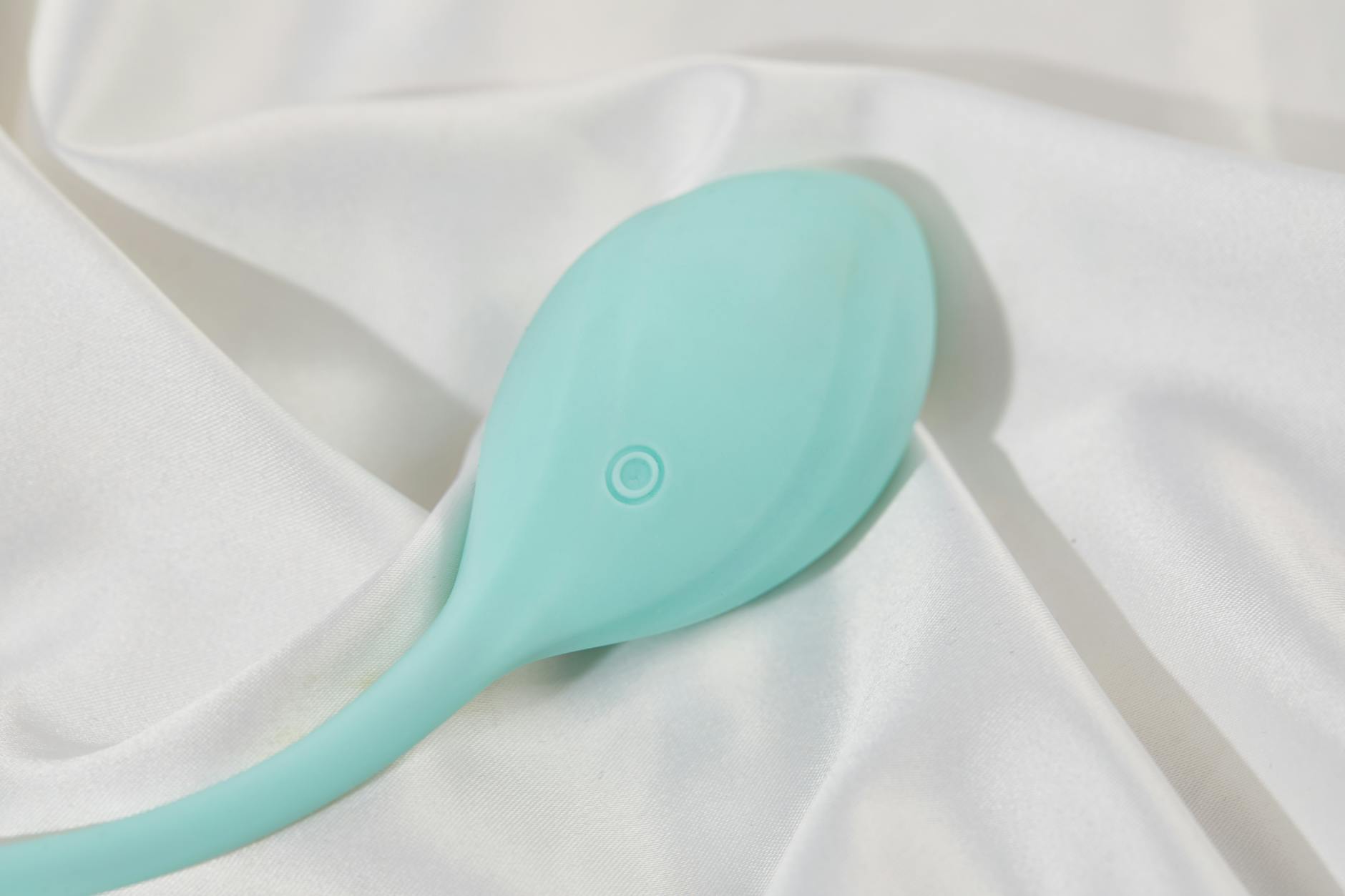
Here's the thing about hormonal shifts and orgasm
When your hormones change, your orgasms often do too. Not permanently. But the flattening is real. You might notice your climax doesn't peak the way it used to. The intensity drops. The release feels muted. Sometimes you can still orgasm, but it takes longer to build, or the sensation feels diffuse instead of concentrated.
This isn't a sign that your pleasure is broken. It means your nervous system and tissue are recalibrating. And there's a specific tool that helps you rebuild intensity faster than anything else I've seen in my practice: a lemon clitoral vibrator that uses suction rather than traditional vibration.
Why hormonal changes flatten sensation in the first place
Your nervous system doesn't exist in isolation. It's wired to estrogen, testosterone, and progesterone. When those hormones shift, so does the sensitivity of your clitoral nerves, the responsiveness of your pelvic floor, and the speed of blood flow to your genitals during arousal.
Here's what happens physiologically. Estrogen supports nerve sensitivity and tissue thickness. When it drops, your clitoral tissue becomes thinner. Testosterone (yes, everyone with ovaries produces it) fuels desire and orgasmic intensity. A drop in testosterone can make climax feel flatter, less urgent.
Your pelvic floor muscles also lose some of the support estrogen provided, which changes how orgasm feels. Instead of that coordinated muscular contraction that builds and peaks, you might feel a smaller, more localized sensation.
None of this is permanent. Your body isn't broken. But rebuilt intensity requires a different approach than what worked before.
Why traditional vibrators often don't help (and may worsen it)
Most wand vibrators and bullet vibrators work through rapid oscillation. They jolt the tissue, which can feel great when your tissue is thick and your nerve density is high. When both have thinned, the same vibration can feel numbing instead of pleasurable.
Worse, prolonged vibration on delicate tissue can desensitize it further, making you need even more stimulation to feel anything. This is what therapists call vibratory habituation. You're essentially training your nerves to need higher and higher stimulation.
A lemon vibrator works differently. Instead of hammering tissue with vibration, it uses gentle suction that creates a rhythmic pressure wave. This stimulates the full clitoral network (not just the external glans) without the numbing effect of direct vibration.
How lemon suction rebuilds orgasm intensity
A lemon clitoral vibrator like the Lem stimulates through suction and pulsation, which activates a broader network of nerve endings. The suction creates a sealed micro-environment where pressure builds and releases in waves.
This matters because your clitoris isn't just the small visible part. It's a complex system of internal structures that branch deep into your pelvis. Suction reaches those deeper networks in a way vibration alone cannot.
When you use a lemon sucker consistently after a hormonal shift, a few things happen. First, your nervous system becomes re-sensitized to pleasure signals. The suction pattern mimics the natural pressure changes your body would create during partnered sex, so your brain recognizes it as "legitimate" stimulation.
Second, the pulsing action helps rebuild pelvic floor tone without requiring active effort. You're getting muscle engagement as a side effect of pleasure, not as work.
Third, and this is subtle but important, suction creates what I call "pressure-based arousal" rather than "friction-based arousal." After a hormonal shift, pressure-based stimulation often rebuilds intensity faster because it doesn't rely on tissue thickness.
The rebuilding protocol that actually works
You can't just grab a lemon clitoral vibrator and expect instant results. The rebuild needs a structure, especially if your tissue has thinned significantly.
Start with a water-based lubricant. Even if you don't think you need it, use it. Lubrication reduces the micro-tearing that can happen with suction on thinner tissue, and it creates better seal for the suction to work properly.
Begin with the lowest suction setting. Most lemon vibrators have 5-10 intensity levels. Start at level 1 or 2. Spend 10-15 minutes exploring how your body responds at that intensity. Don't rush to orgasm. The point is to reintroduce your nervous system to pleasure without overwhelming it.
Move to level 3-4 once the lower levels start to feel familiar (usually after 3-5 sessions). At this stage, you might notice orgasm starting to build differently. It may feel more localized, more precise. This is good. You're recalibrating.
Once you're comfortable at level 4, introduce variation. Try different pulsation patterns if your lemon sucker has them. Some women find that alternating between continuous suction and pulsed patterns helps rebuild intensity faster.
Over 2-4 weeks of consistent use, most people report that orgasm intensity begins to return. Not to exactly where it was, but often to something richer because you're using your body differently.
How long this actually takes
I wish I could tell you there's a magic timeline. There isn't. Hormonal shifts vary wildly. Birth control changes, perimenopause, postpartum, thyroid shifts. They each affect your system differently.
Most of my clients report noticeable changes in orgasm intensity within 3-4 weeks of using a lemon clitoral vibrator at least 3-4 times per week. Some see it faster. Some need 8-10 weeks. The constant is consistency.
One thing that accelerates the process: partnered touch. If you have a partner, alternating between solo exploration with your lemon vibrator and partnered sex helps your nervous system recognize pleasure in both contexts. This integration is powerful.
What to avoid while rebuilding
Don't switch between suction toys and traditional vibrators randomly. Your nervous system is relearning, and consistency matters. Pick one lemon clitoral vibrator and stick with it for at least 4-6 weeks before you start experimenting with other tools.
Don't chase intensity. The temptation is to jump straight to the highest setting because you're used to needing strong stimulation. That defeats the purpose. You're trying to rewire your nervous system, not bulldoze through it.
Don't ignore pain. If suction causes discomfort rather than pleasure, stop. This might mean you need to start at even lower intensities, or it might mean you need topical estrogen cream first (which is a separate conversation with a pelvic health specialist).
Don't assume this is permanent. Hormonal shifts are temporary. Your orgasmic response will continue to evolve as your hormones stabilize. The work you do now with a lemon sucker is retraining, not fixing something broken.
The psychological piece that changes everything
Here's what I tell couples in my practice: hormonal shifts often carry shame. You assume your pleasure is dimming because something's wrong with you. You start avoiding sex or self-pleasure because it feels worse, which makes it worse.
Using a lemon clitoral vibrator is partly physiological. But it's also psychological. You're choosing to engage with your pleasure intentionally. You're saying "I deserve to rebuild this." That mindset shift accelerates everything.
If you have a partner, inviting them into this process changes the relationship too. Instead of sex becoming something that used to feel good and now doesn't, it becomes collaborative exploration. You're rebuilding together.
Photo by cottonbro studio on Pexels
Many people also find that they discover new pleasure responses through this process. Because you're slowing down, paying attention, and using different stimulation than before, sometimes you find sensitivity in unexpected places or orgasmic patterns you never had before.
FAQ
Can a lemon vibrator actually restore orgasm intensity after hormonal shifts?
Yes. Suction-based stimulation activates a broader network of nerve endings than vibration alone, and it doesn't cause the desensitization that rapid vibration can. Most people report noticeable intensity changes within 3-4 weeks of consistent use. The key is patience and consistency, not chasing the highest intensity.
How is a lemon clitoral vibrator different from a traditional vibrator for hormonal recovery?
A lemon sucker uses gentle suction and pulsation instead of rapid vibration. This matters after hormonal shifts because thinner tissue can become desensitized by traditional vibrators, and suction reaches deeper nerve networks that vibration misses. Suction also mimics natural pressure changes, so your body recognizes it as legitimate arousal.
Do I need lube with a lemon clitoral vibrator when rebuilding after hormonal changes?
Yes. Water-based lube creates a better seal for suction and protects thinner tissue from micro-tearing. Even if you have natural lubrication, adding external lube reduces friction and helps your body receive pleasure signals more clearly. This is especially important when your tissue is already thin from hormonal shifts.
How often should I use a lemon vibrator to rebuild orgasm intensity?
Most people see results with 3-4 sessions per week. Each session should be 10-20 minutes, depending on what your body needs. Consistency matters more than duration. Using your lemon sucker sporadically won't rebuild intensity as quickly as regular engagement.
Is it normal for orgasms to feel different (not just weaker) after hormonal shifts?
Completely normal. Your orgasm might feel more localized, less full-body, or require different breathing and pelvic floor engagement. This isn't worse, just different. As you rebuild with suction-based stimulation, you might find that your orgasmic response becomes something new rather than a return to exactly what it was before.
Will rebuilding intensity with a lemon vibrator work if I also have vaginal dryness?
Yes, but address the dryness first. Water-based lube helps temporarily, but if your dryness is from a hormonal shift, talk to your doctor about topical estrogen or vaginal moisturizers. Once dryness is managed, a lemon clitoral vibrator becomes much more effective because you're not fighting tissue fragility.
When to see a specialist
If intensity doesn't return after 6-8 weeks of consistent use with a lemon clitoral vibrator, get a pelvic health evaluation. Sometimes hormonal shifts reveal underlying pelvic floor dysfunction or other issues that need professional support.
If suction causes pain, see a pelvic physical therapist or gynecologist. You might need to address tissue health before suction-based tools feel good.
If desire has completely disappeared alongside the intensity shift, that's often a separate issue (thyroid, depression, relationship dynamics) that might need different support.
Your pleasure matters. Hormonal shifts are temporary. A lemon vibrator is a tool to help you rebuild what you deserve to have. Start low, be consistent, and give your nervous system time to remember what it knows how to do.
Further reading
For more on how to use lemon vibrators effectively, explore our guide on how to use a lemon vibrator if you're new to suction toys. If your intensity shifts came alongside other relationship or pleasure changes, how to rebuild pleasure with a lemon vibrator after a relationship ends covers broader context. And if you're wondering how lemon suction compares to other tools, how lemon clitoral vibrators compare to traditional wand vibrators breaks down the mechanics.