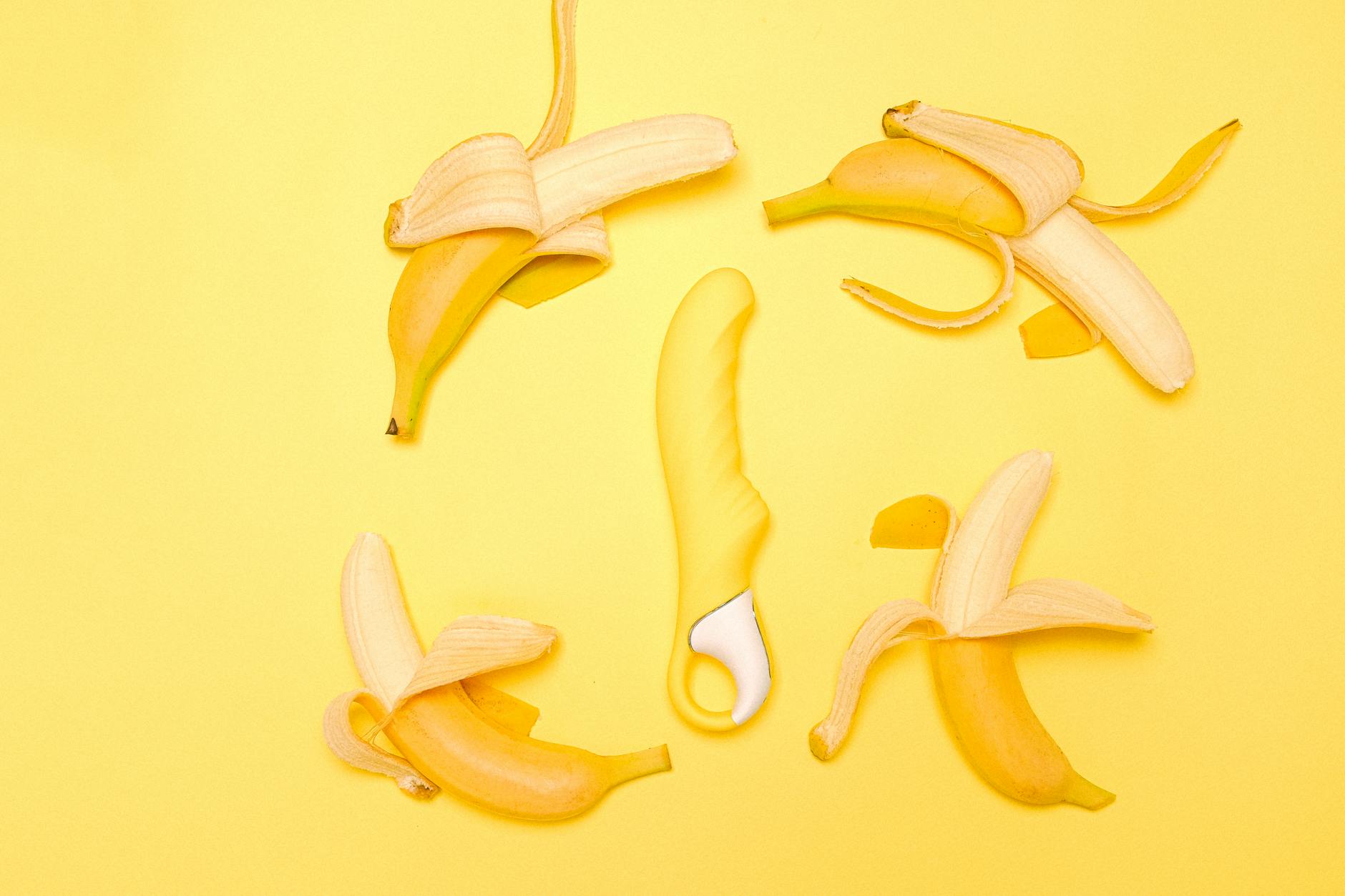
Here's the thing about sensitive skin and vibrators
If traditional wand vibrators leave your skin feeling raw, numb, or irritated after use, the problem isn't you. It's friction. Most wands work through rapid oscillation, which creates constant surface contact and repetitive pressure on the same tissues. Over time, that builds inflammation. Your clitoris becomes more sensitive to touch, not less. Which feels backwards, because you'd think more use would desensitize you. Instead, overstimulation through friction actually heightens sensitivity in a painful way.
Lemon vibrators work differently. They use suction instead of vibration, which means no grinding friction, no numbing pressure, and often deeper, longer-lasting sensation without the irritation.
I started working with clients who struggled with this pattern about five years ago. The same person would tell me: "I can use my wand once, feel amazing, then the next day I'm too sore to touch myself for a week." That cycle is exhausting. It kills pleasure because you're managing pain instead of enjoying sensation.
How wands actually work (and why that matters for sensitive skin)
Traditional wand vibrators operate through oscillation. The head moves side to side or up and down at high speed, usually 5,000 to 10,000 times per minute. That speed creates stimulation, but it also creates friction against the skin. Think of it like rubbing your arm back and forth until it gets red. The faster and longer you do it, the more irritated it becomes.
For people with naturally sensitive skin, genital skin that's already thin or reactive, or skin that's been irritated by other factors (hormonal changes, medications, previous overuse), this friction accelerates inflammation. The clitoris has dense nerve endings that become hyperresponsive to further touch after this kind of assault.
Then people assume the answer is more lubricant. Sometimes that helps. But if the core mechanism is friction-based stimulation, no amount of lube fully solves the problem. You're still asking the tissue to withstand rapid, repetitive pressure.
How suction-based lemon vibrators change the equation
Lemon clitoral vibrators use a completely different mechanism: gentle suction. Instead of the head moving against your skin, it creates a seal and pulls soft tissue into a chamber where gentle pulsing or vibration happens inside that enclosed space.
This changes three critical things:
No surface friction. The toy doesn't grind against your skin. The contact is soft, and the stimulation happens through pressure change and pulsing inside the sealed chamber. That means even very sensitive tissues can handle longer sessions without inflammation.
Deeper nerve engagement. Suction pulls the clitoral tissue into the chamber, which stimulates the internal structure of the clitoris, not just the surface. This often feels more intense and satisfying for people with sensitive skin, because you're reaching nerves that wands don't usually access.
Customizable intensity. You're controlling suction strength, not just vibration speed. Many lemon vibrators allow you to stay on low suction settings while building sensation gradually. That control matters enormously for sensitive skin, because you can stay in the zone where pleasure builds without tipping into inflammation.
The tissue science you actually need to know
Your clitoris has two main external structures: the glans (the visible head) and the hood (the fold of skin covering it). The glans has around 8,000 nerve endings in a space the size of a pea. That density is why vibration can feel so intense and why friction can cause real harm if you're using the wrong tool.
Underneath the glans is the clitoral body, which extends internally. Most wands never reach that internal structure because they're designed for surface stimulation. Lemon suction vibrators pull the glans and surrounding tissue into the chamber, which means stimulation reaches both the surface and the internal structures.
For sensitive skin, this matters because the internal tissue is often less reactive to irritation than the exposed glans. Suction lets you access that deeper pleasure without aggravating the more reactive surface tissue.
If you've been using wands and experiencing that soreness-pleasure cycle, the sensitivity you're feeling isn't a sign that you're broken. It's inflammation. Switch the mechanism, and the inflammation often stops.
Why friction sensitivity shows up suddenly
You might have used wands fine for years and then suddenly couldn't anymore. That's not weird. Several things trigger this shift.
Hormonal changes do it. If you've started hormonal birth control, moved toward perimenopause, or changed your cycle timing, tissue thickness and sensitivity shift. Thinner tissue reacts more strongly to friction. Same wand, different response.
Medications can do it too. Antidepressants, antihistamines, and some blood pressure meds affect tissue hydration and nerve sensitivity. Your genital tissues might be drier or more reactive than they were before.
Overuse absolutely does it. If you've been using a wand frequently, the tissue can become sensitized. That's not a flaw. It's your body signaling that this particular stimulus is too much. Switching to a lemon vibrator often resets that sensitivity within a week or two.
Stress and tension do it as well. When you're chronically tense, your pelvic floor stays contracted, which means your tissues are already in a state of low-grade inflammation. Adding friction on top of that amplifies the problem.
The transition from wands to lemon vibrators
If you're thinking about making the switch, here's what actually helps:
Start with the lowest suction setting. You'll feel a difference immediately, but resist the urge to crank it up. Low settings on a lemon vibrator often feel more satisfying than high settings on a wand because you're accessing different nerves. Give yourself a few sessions at low suction before exploring higher levels.
Use water-based lubricant generously. Even though suction creates less friction, lube helps the seal form better and makes the whole experience more comfortable. It's not about fixing a problem. It's about optimizing the mechanism.
Session length matters. You can often use a lemon vibrator for 20 to 30 minutes without irritation, whereas wands might start causing soreness after 10 to 15 minutes. But that doesn't mean you should immediately jump to longer sessions. Let your body adjust gradually.
If you've been cycling between pleasure and soreness, expect a reset period. Your tissue might feel hypersensitive for the first week after switching from wands. That's actually good. It means the inflammation is decreasing and your nerves are recalibrating. Within a few days to a week, sensitivity usually normalizes.
When sensitivity is something else entirely
If you're experiencing pain, burning, or persistent irritation even with a suction-based lemon vibrator on the lowest setting, that might signal something beyond friction sensitivity. Yeast infections, bacterial imbalances, or dermatological conditions need actual medical attention, not a different toy.
The same goes if you've never had sensitivity before and it suddenly appears. That's worth a conversation with a gynecologist or dermatologist before assuming it's toy-related.
But if you've identified that wand friction is the culprit and you're looking for a gentler mechanism that actually feels good, lemon clitoral vibrators solve this remarkably well. The suction approach isn't just a gimmick. It's a fundamentally different way of stimulating your tissues, and for people with sensitive skin, it often changes everything.
FAQ
Do lemon vibrators work for everyone with sensitive skin?
Most yes, but not universally. Some people find suction feels too intense or uncomfortable even at low settings. That's usually a preference thing, not a sensitivity thing. If suction feels weird at first, try a few sessions before deciding. Your brain needs time to process a new sensation. If it genuinely doesn't work after a week of low-intensity exploration, you might prefer toys with lower vibration speeds or dual-stim designs that balance different stimulus types.
Can I use my wand vibrator if I use a lemon vibrator too?
Sure, if you're intentional about it. Use the wand occasionally and at lower speeds, not as your primary toy. Think of it as occasional spice, not your daily tool. This prevents the friction buildup that creates soreness. Many people use lemon vibrators for regular pleasure and reach for a wand maybe once a week if they want a different sensation. That rhythm works without triggering sensitivity.
How do I know if I have friction sensitivity or just natural sensitivity?
Friction sensitivity shows up as inflammation or soreness after use. Your tissue feels tender or raw, and you need recovery time before pleasure feels good again. Natural sensitivity is different. You might be easily overwhelmed by intense stimulation, but you don't experience pain or soreness. You handle your body fine with the right settings. If you have natural sensitivity, lemon vibrators still work beautifully because you can stay on lower suction settings. If you have friction sensitivity, the soreness is often what stops, not the pleasure.
Are lemon vibrators quieter than wands?
Generally yes. Suction mechanism vibrators tend to be quieter than oscillating wands because the motor doesn't have to work as hard. If noise matters in your situation, that's a real advantage. You'll get deep stimulation without the persistent buzzing sound.
Can hormonal changes make wand sensitivity worse?
Absolutely. During certain points in your cycle or after hormonal changes like starting birth control, tissue thickness and water content shift. That can make you suddenly reactive to a wand that never bothered you before. Switching to a lemon vibrator during those phases often helps. Some people use wands most of the month and switch to suction during their most sensitive phase. That works too.
What's the difference between lemon vibrators and other suction toys?
Lemon vibrators specifically use patented air-pulsation technology designed for clitoral stimulation. Other suction toys exist, but lemon vibrators are engineered for this exact purpose with multiple intensity settings, ergonomic design, and patterns that specifically target clitoral nerve endings without aggressive force. They're the mainstream tool in the suction category, which means there's actual research and user feedback supporting their effectiveness for sensitive skin.
You deserve pleasure without pain
If wands have been causing you soreness, redness, or that frustrating cycle of amazing followed by painful, this isn't a personal failing. It's a mismatch between your tissue and the tool. Lemon vibrators offer a different mechanism that works for a lot of people with sensitive skin. The suction approach removes friction while often deepening sensation in ways that feel more satisfying, not less.
Your body isn't too sensitive. It's just telling you what it needs. Listen to that signal. A better tool makes all the difference. If you want to explore whether this might help, start low, go slow, and give yourself a few sessions before deciding. Pleasure shouldn't require recovery time.
If you're still uncertain about what might work for your specific situation, reach out. We're here to help you find what actually feels good.